
Two or three goals, and a reward that is not food
CDC asks for specific, realistic goals, two or three at a time. The examples are water instead of a sugary drink, a 15-minute walk, a vegetable with supper. Losing 20 pounds in two weeks is called unrealistic in the same step. The reward for what you did is not food: flowers, an outing, a bath.
A goal you can see in the evening
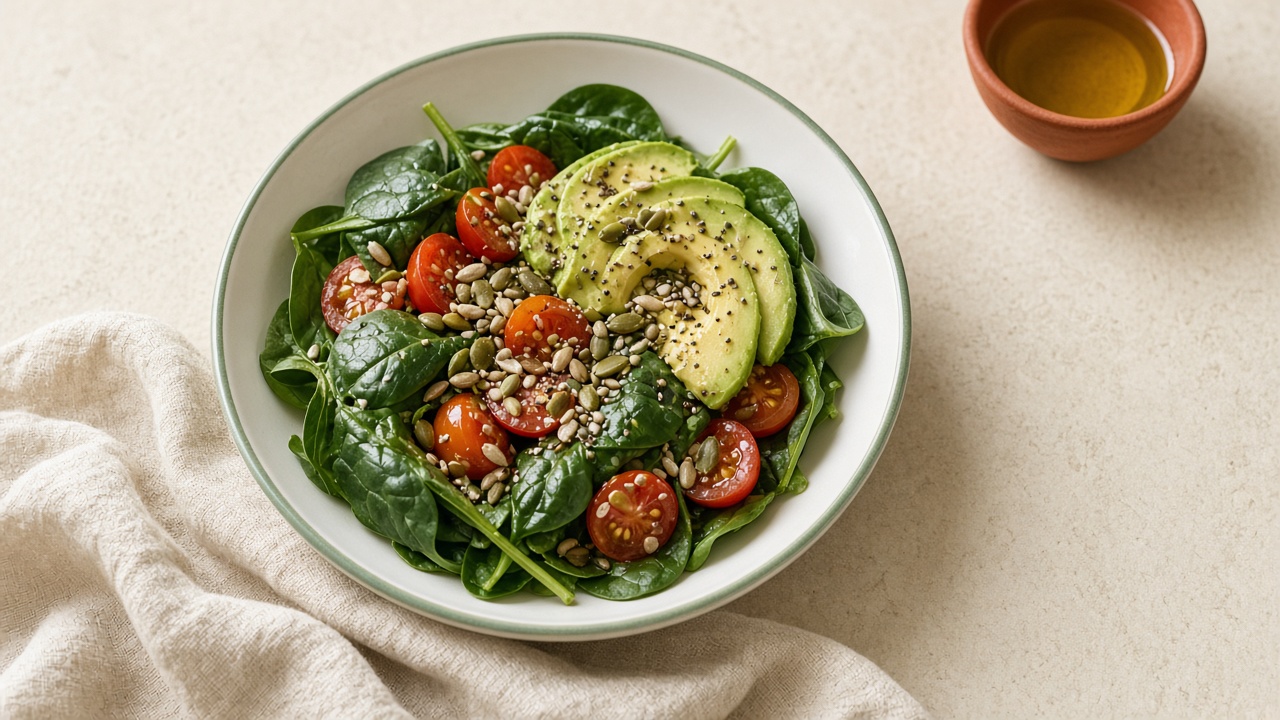
A goal from step 3 can be done today and found in the record. Water instead of a sugary drink shows up in the drink part of the line. A 15-minute walk shows up in activity: what it was, when, and how long. A vegetable with supper shows up on the plate and in the food line, beside the amount and the oil or sauce.
“Lose weight” and “eat right” cannot be checked off that way: there is nothing to cross out in the evening. The example CDC gives as unrealistic is losing 20 pounds in two weeks. It is about a large number and a short deadline, not about an action on this day.
Why two or three
Two or three goals fit in a week beside food, sleep, and stress. A fourth and a fifth turn the review into a list of blame. If one is not happening, CDC does not ask you to double the set. Setbacks are expected; you return to the plan.
At the regular review you change the part that was not working, not the whole collection. If the vegetable was missing, the next week is about the vegetable again, not about a new ban on bread, a new step goal, and a new bedtime all at once. The progress review stays a check of one change.
The reward
CDC says separately that the reward should not be food. The examples are flowers, an outing, and a bath. Food as a prize argues with the goal about water instead of a sugary drink: the prize brings back what the goal just set aside.
The reward marks two or three goals you kept, not a record morning on the scale. One morning after salt is a poor reason for a prize. That is water, and salt is what changes the next morning. A run of mornings is read separately when you want the direction of the scale, and you do not feed yourself for a point you liked.
What the goal list does not replace
Goals do not replace a few days of recording. Without the food, the amount, the drink, and the oil, you cannot see whether the water and the vegetable were there or only felt as if they were. Activity with no duration does not differ from an intention to walk.
If anxiety about weight or a question about a medicine sits behind the goal list, CDC sends you to a clinician. One more goal that says “eat even less” does not replace that visit. In the bot a goal counts from the line the person saved. A number from a photo stays a draft until the meal and the day are chosen, and confirming it does not check the estimate in a scientific way.
What this text draws on
- CDC, Steps for Losing Weight (January 17, 2025): step 2, for a few days write down everything you eat and drink, physical activity (what, when, how long), hours of sleep, and stress. Step 3, two or three specific realistic goals; examples include water instead of a sugary drink, a 15-minute walk, a vegetable with supper; “lose 20 pounds in 2 weeks” is unrealistic. Setbacks are expected; return to the plan. Step 5, review progress regularly and change the parts that are not working. Rewards should not be food: flowers, an outing, a bath. Talk with a clinician about weight or medicines.
- ScanDish: a number from a photo stays a draft until the person chooses the meal slot and the day. That is a product rule, not a scientific check of the estimate.
A short paraphrase of open guides and reviews (WHO, national recommendations, peer‑reviewed summaries). Not a quotation and not a treatment protocol.
Short answers
Can the goal be “lose 20 pounds in two weeks”?
CDC gives that size and that deadline as unrealistic. Workable examples are water instead of a sugary drink, a 15-minute walk, a vegetable with supper.
Does cake fit as a reward for a good week?
The reward is not food. CDC’s examples are flowers, an outing, and a bath.


