
Home · Foods
Calories and macros per 100 g
Calories in grains, vegetables, fruit, fish, meat, dairy, oil, and drinks. A rounded guide per 100 g, not a brand certificate.
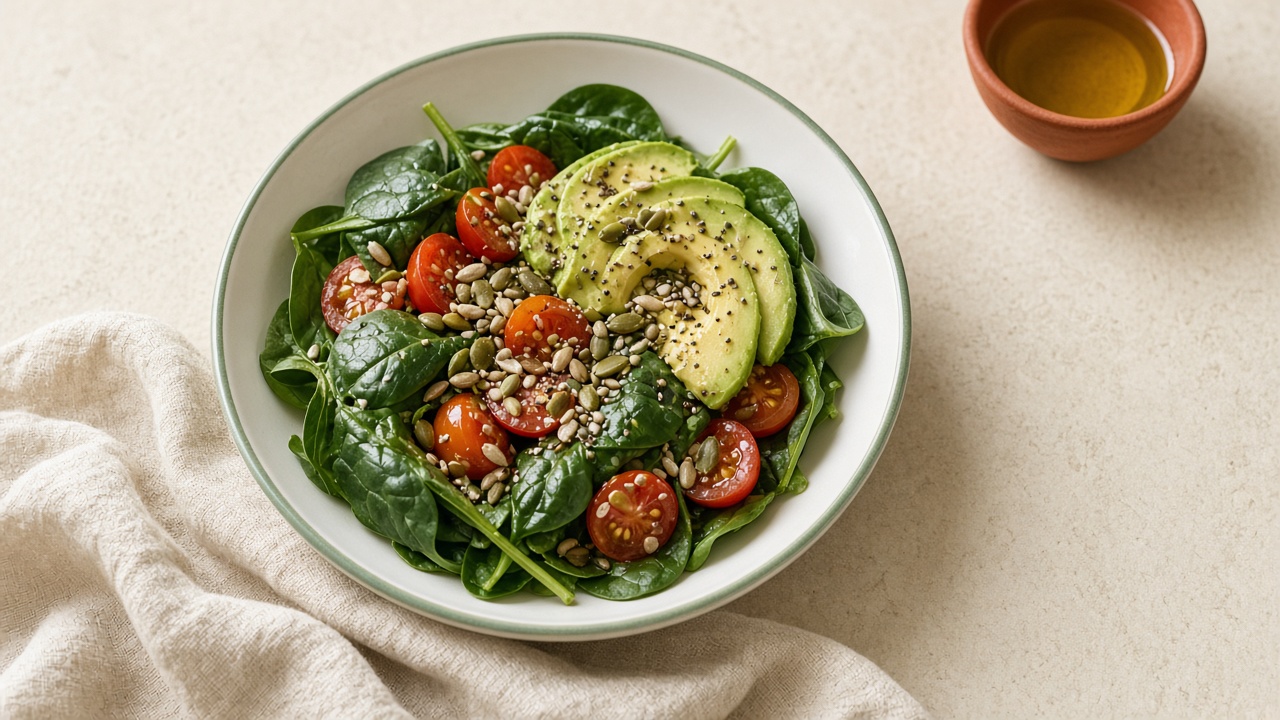 Plates
A dish’s calories from the grams of each food.
 Measures
A spoon, a slice, a glass, and raw weight versus cooked.
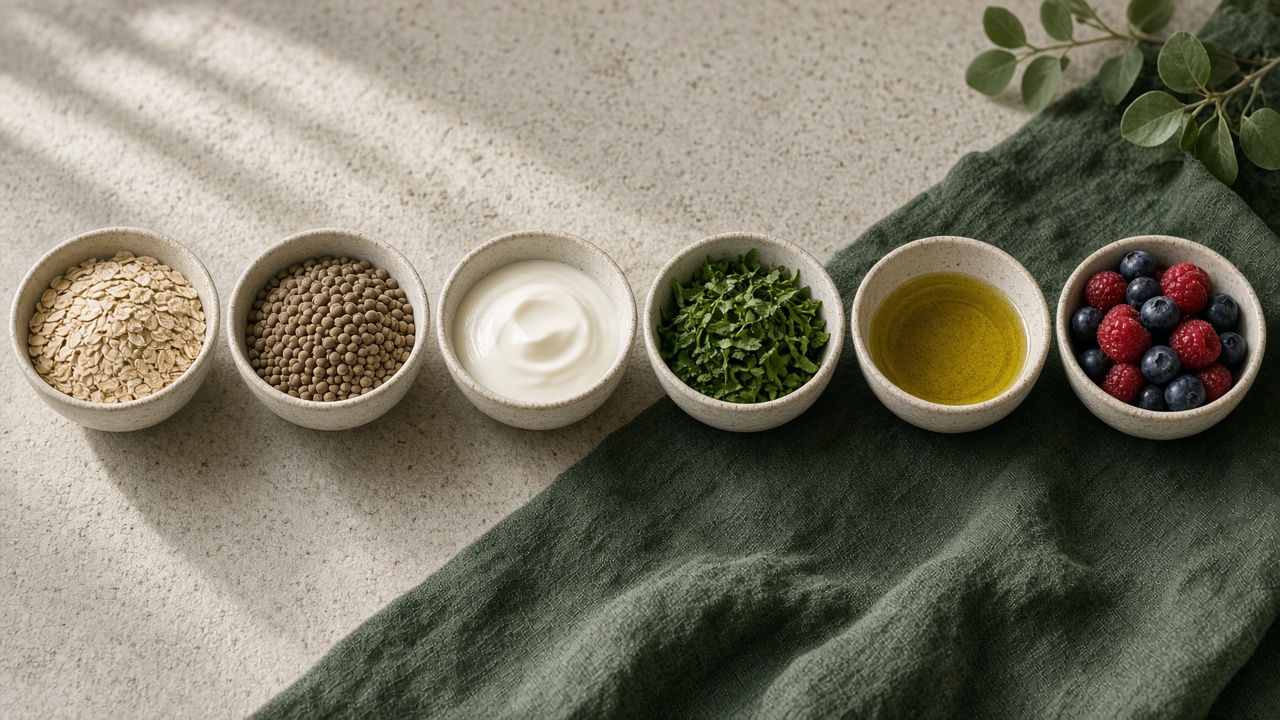 Label
Calories per 100 g and per package serving.
 A day
A sample day beside the calculator target.
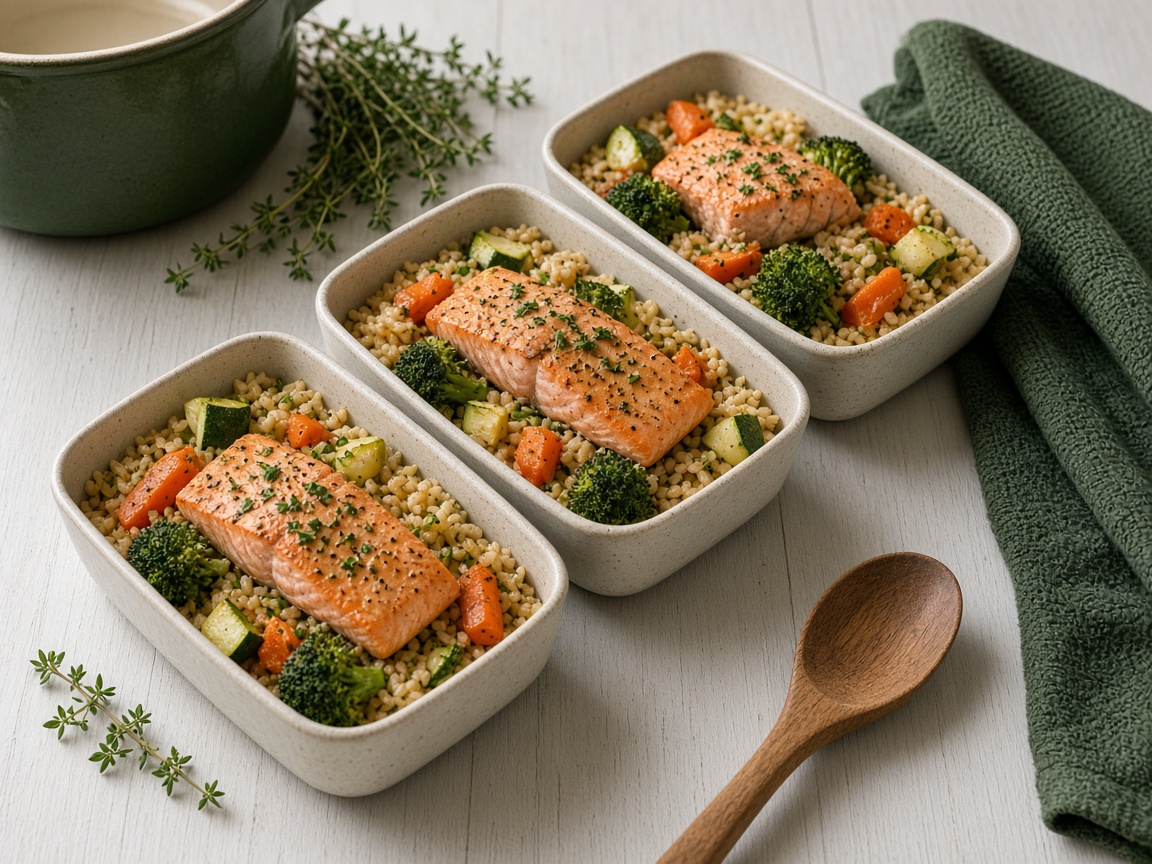 Diary
How a photo becomes a line in the diary.
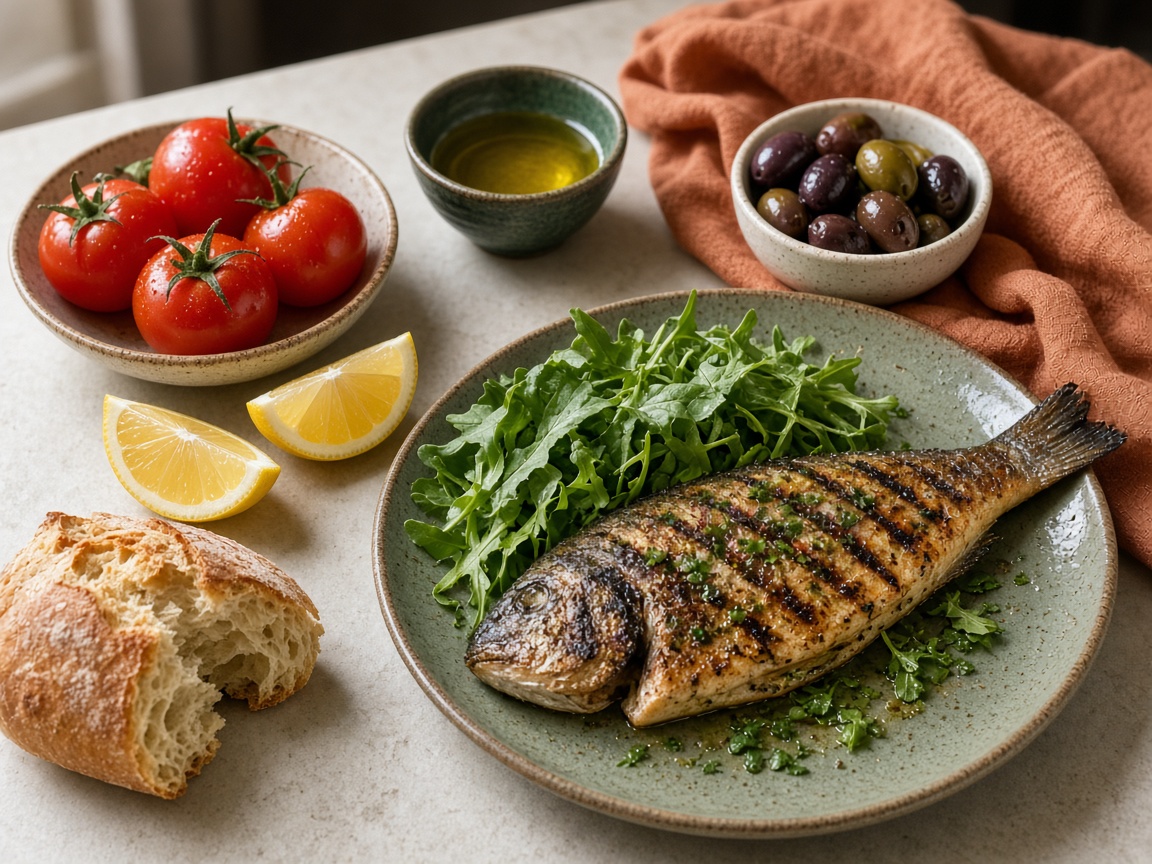 Patterns
MyPlate, DASH, PREDIMED, and the bot’s styles.
 Situations
A café, guests, the road, and sauce a photo hides.
 Grains and bread
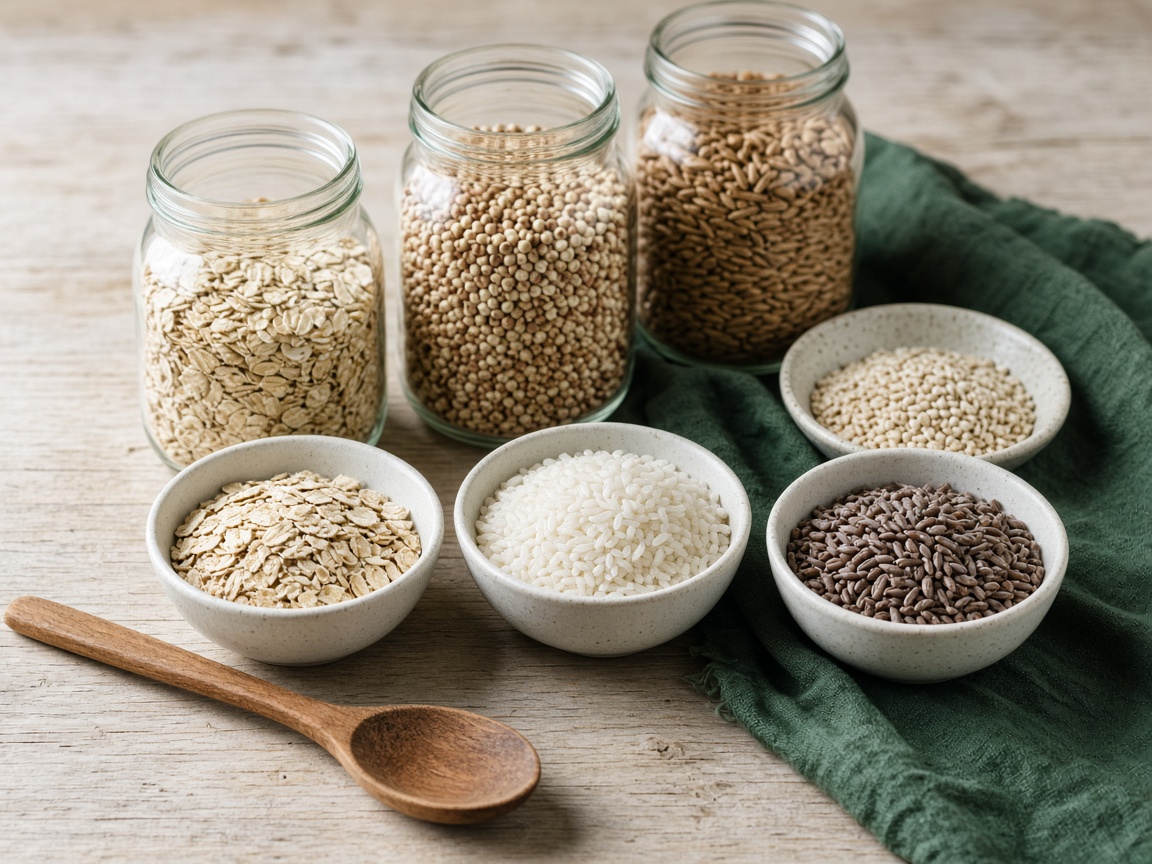
Dry grains are dense. Cooked porridge and pasta weigh more, and the cooked weight is what belongs in the diary.
Vegetables
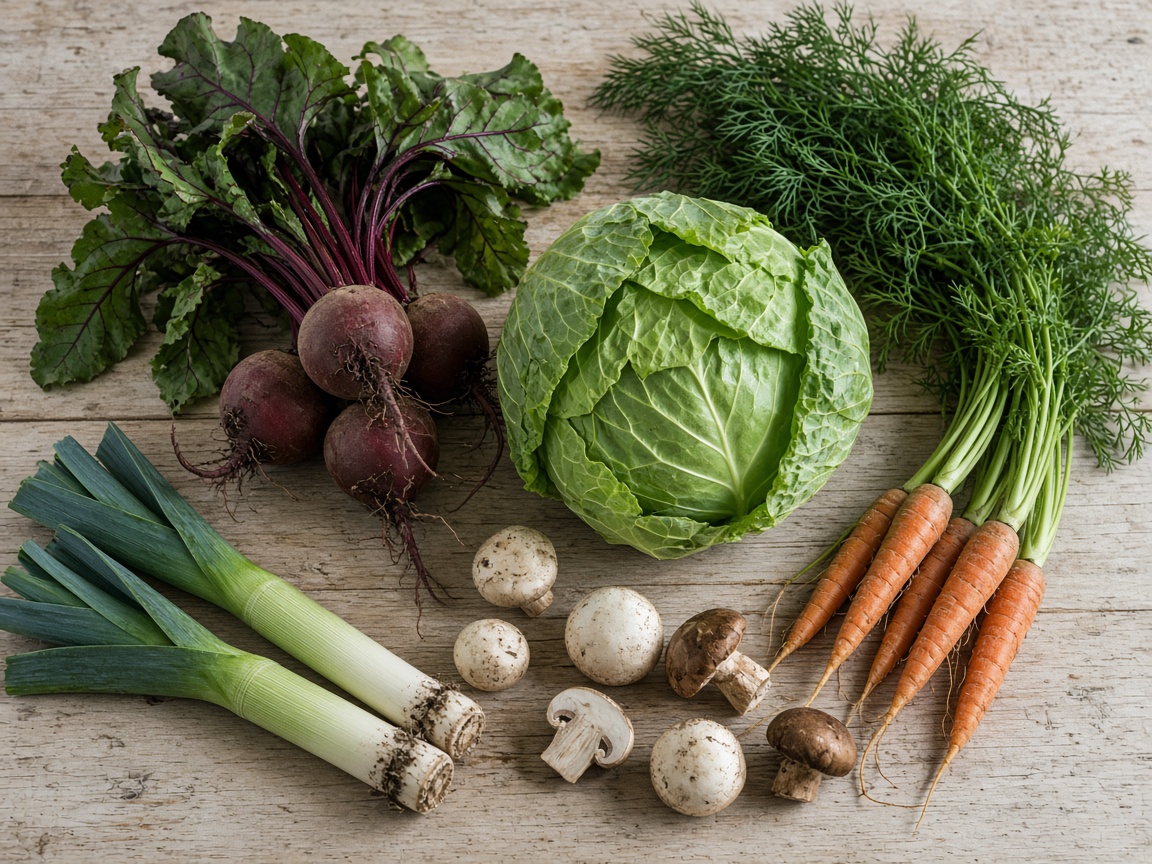
A large volume and little energy, until oil, cheese, or breading joins in.
 Fruit
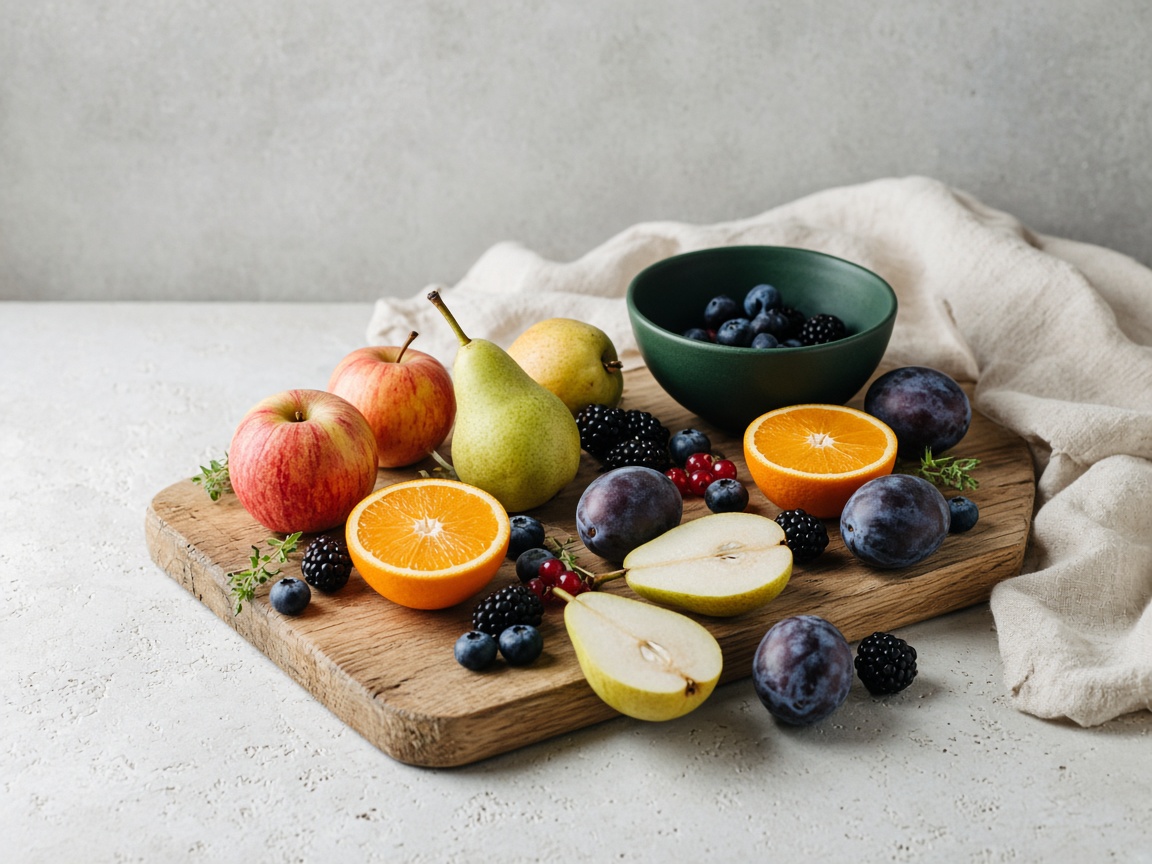
Water, the fruit’s own sugar, and fiber. A whole fruit and a glass of juice are not the same food.
 Legumes
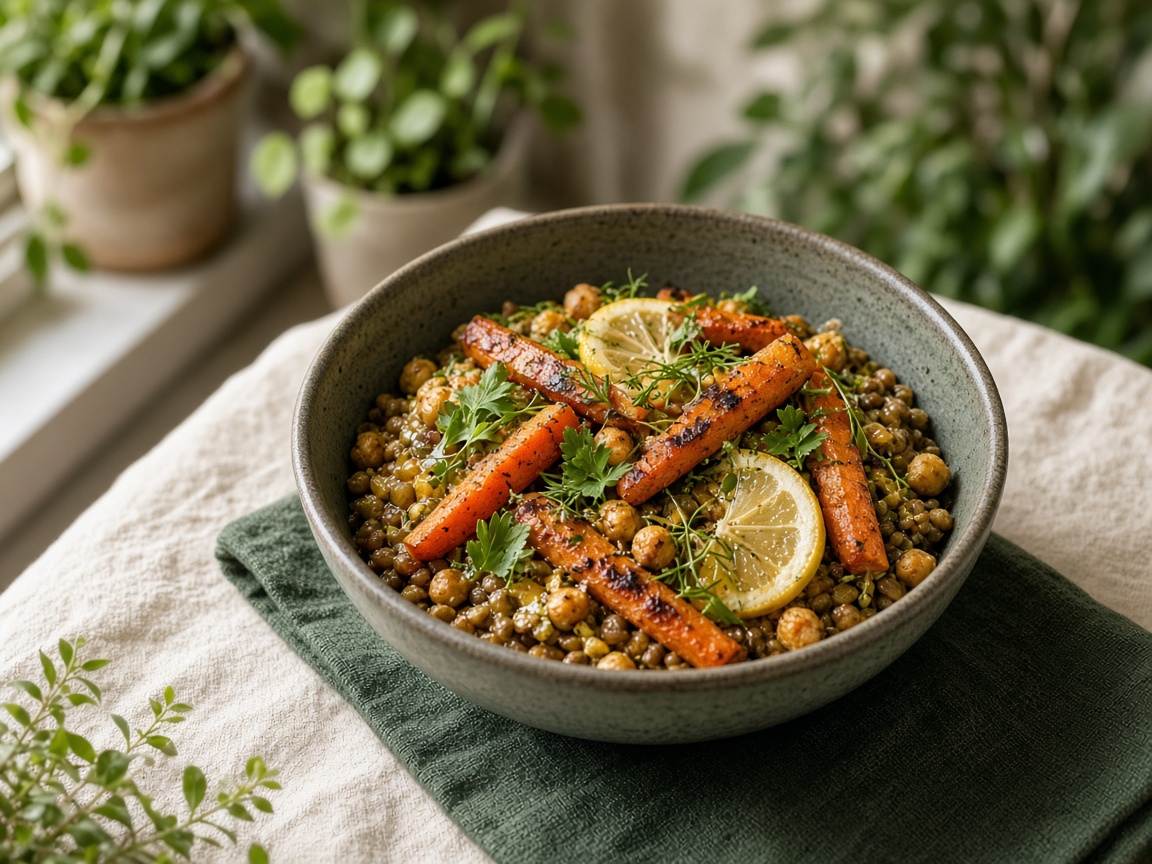
Plant protein and fiber. The table uses the cooked weight people actually eat.
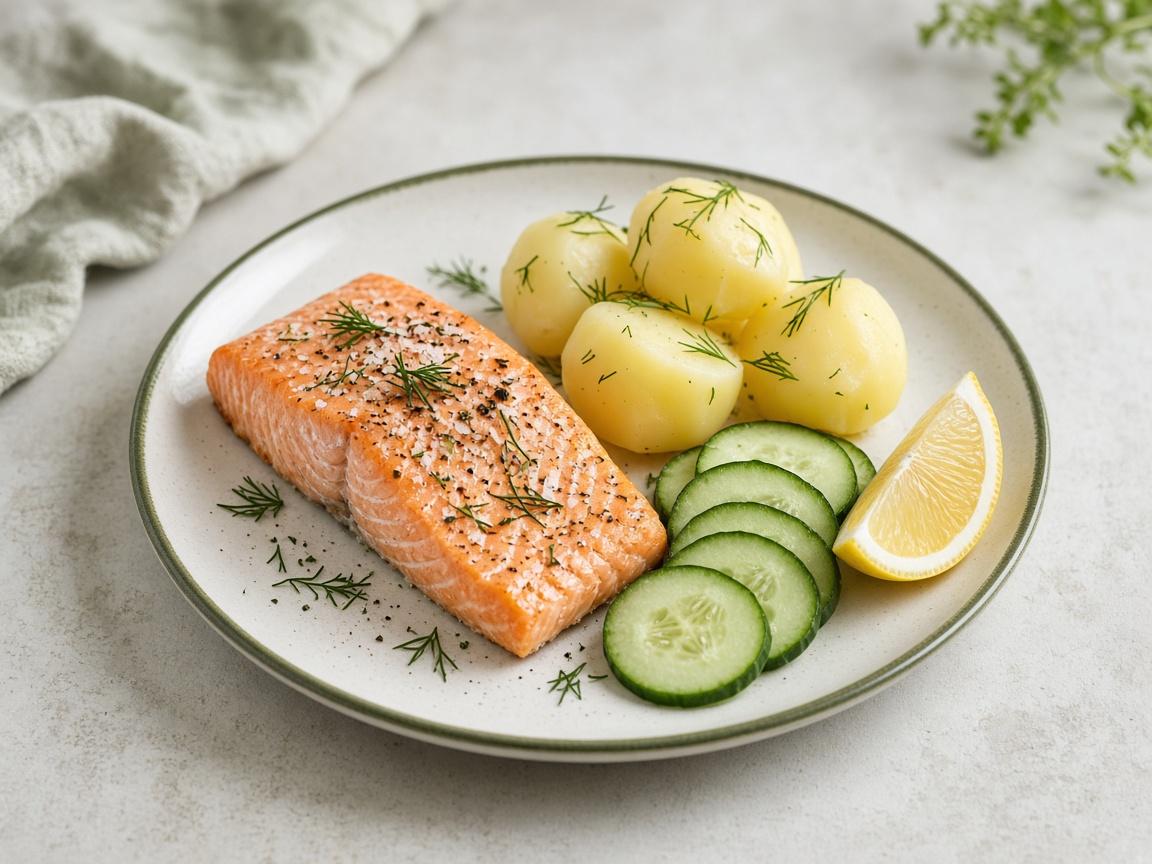 Seafood
Protein and no carbohydrate. The fat depends on the species: cod and salmon are different plates.
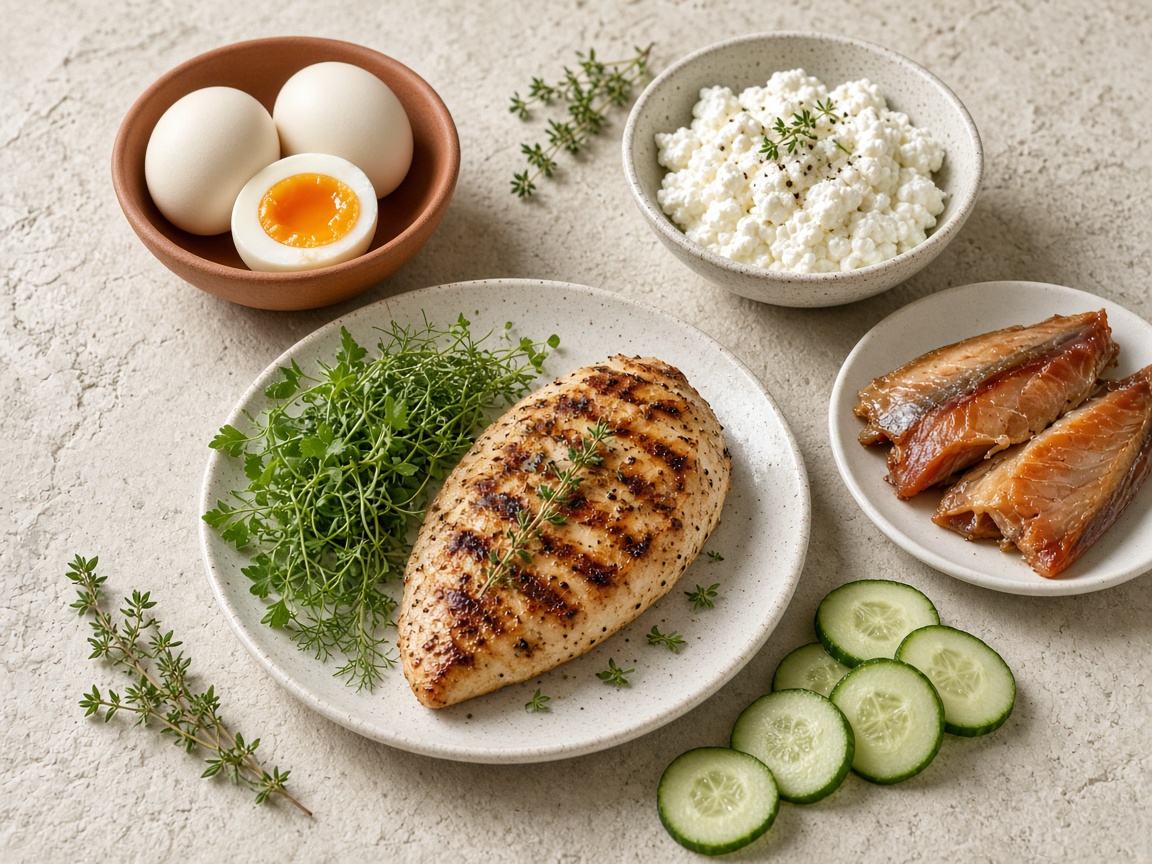 Meat, poultry, and eggs
The dense protein of an ordinary plate. Skin, the fat of the cut, and breading matter more than the name.
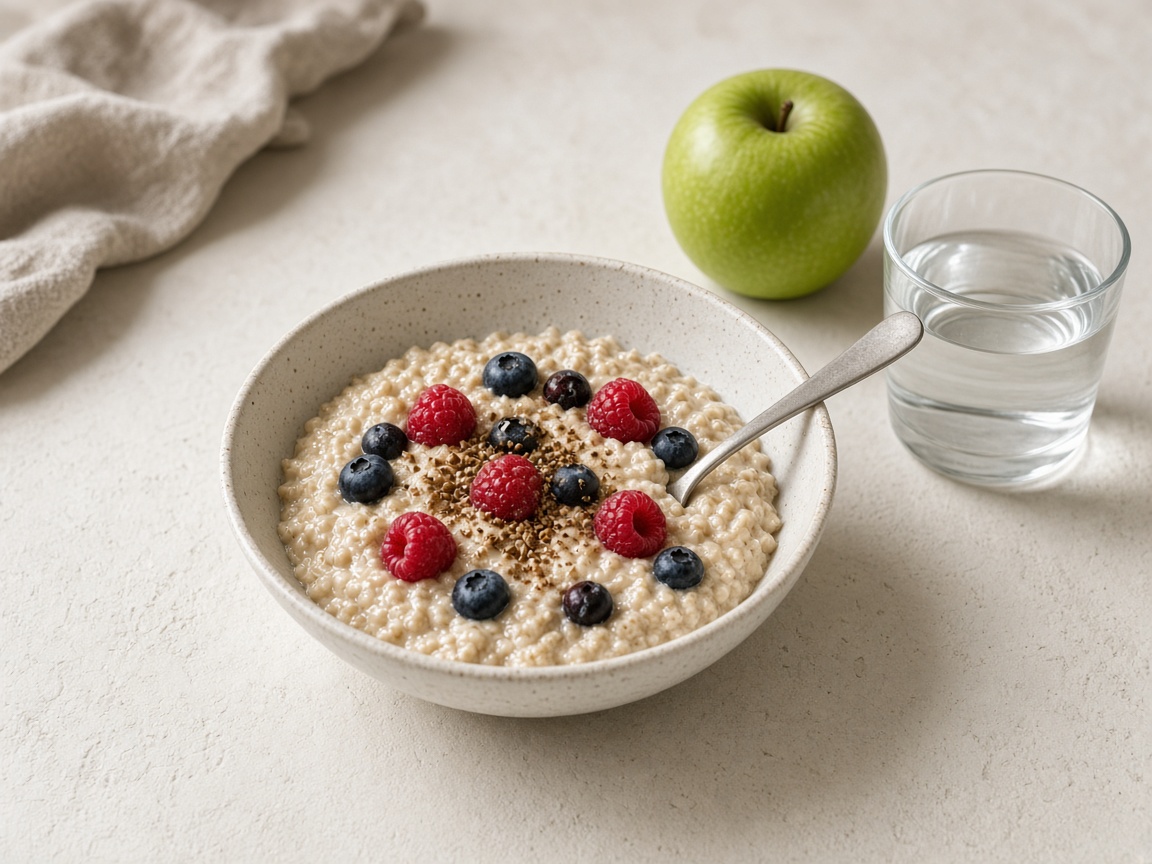 Dairy products
From kefir to hard cheese the density changes several times over. The percent on the tub is fat, not a verdict on the whole food.
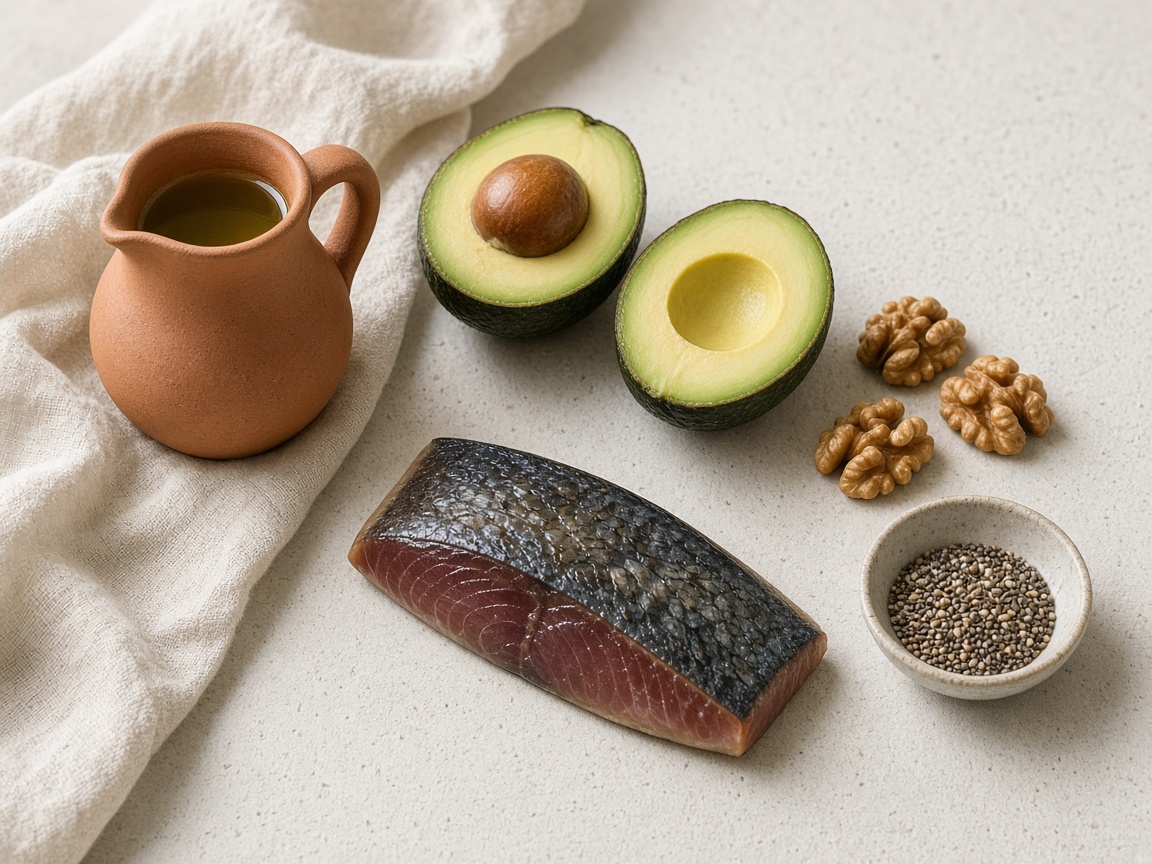 Fats, nuts, and sauces
The densest shelf. A spoon of oil or a handful of nuts can match a whole plate of vegetables.
 Drinks
Water and black coffee are nearly empty. Juice, sweet soda, beer, and wine are already food.
Sugar and sweets
Small additions that repeat. They often miss the photo of the plate and still sit in the tea and the baking.