
Home · Foods · Grains and bread
Calories in Pasta: 350 kcal per 100 g
Dry. Cooked pasta is about twice as heavy: 200 g on the plate is not 200 g from the packet.
Ordinary measures
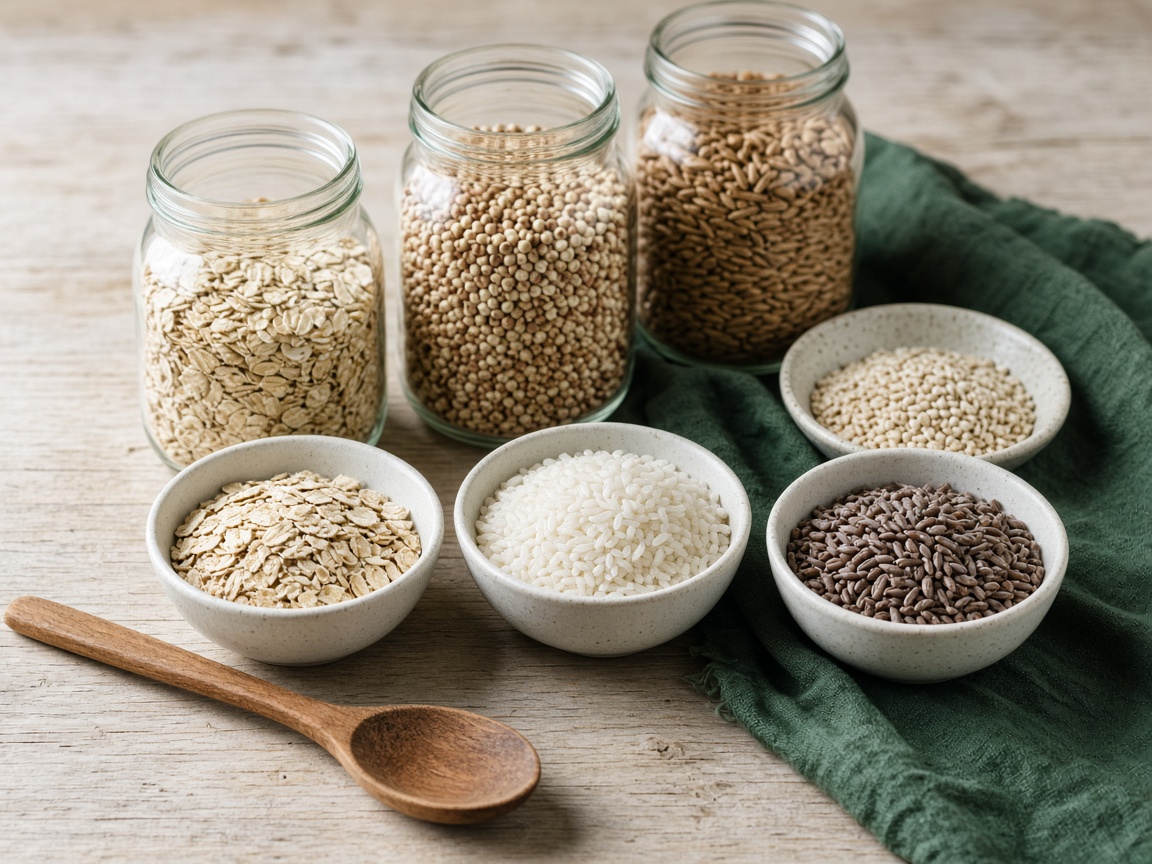
This shelf is the fullness of many plates. The usual mistake is to log the packet instead of what is in the bowl after cooking. Water the grain soaked up adds weight and no calories. Eighty grams of dry buckwheat and 80 g of porridge are different entries.
Protein and carbohydrate times 4, and fat times 9, come to about 48, 284, and 14 kcal. The card keeps the table’s figure: 350 kcal per 100 g.
Fiber is 3.0 g per 100 g. The line is marked: dry weight.
“Grains and bread” has 16 lines. The lightest is Boiled potato (77 kcal), the densest is Granola (471 kcal). Next to this line are Buckwheat (343 kcal) and Pearl barley (354 kcal).
Protein is 12.0 g per 100 g. More protein in this group sits in Quinoa: 14.1 g.
Portions from this line: a dry portion (70 g) — 245 kcal.
This line is used in: Pasta with tuna (400 kcal).
Short answers
How many calories are in Pasta?
350 kcal per 100 g. The line is marked: dry weight. Dry. Cooked pasta is about twice as heavy: 200 g on the plate is not 200 g from the packet.
How much protein, fat, and carbohydrate are in Pasta?
Per 100 g: protein 12.0 g, fat 1.5 g, carbohydrate 71.0 g, fiber 3.0 g.
How do I count a portion of Pasta?
Multiply 350 by the weight in grams and divide by 100. For example, a dry portion (70 g) is 245 kcal.
Which dishes on the site use Pasta?
Pasta with tuna.
Figures are rounded guides from USDA FoodData Central; check your brand’s label. Calorie chart · How to count · Calculator