A photo is a memory, not grams
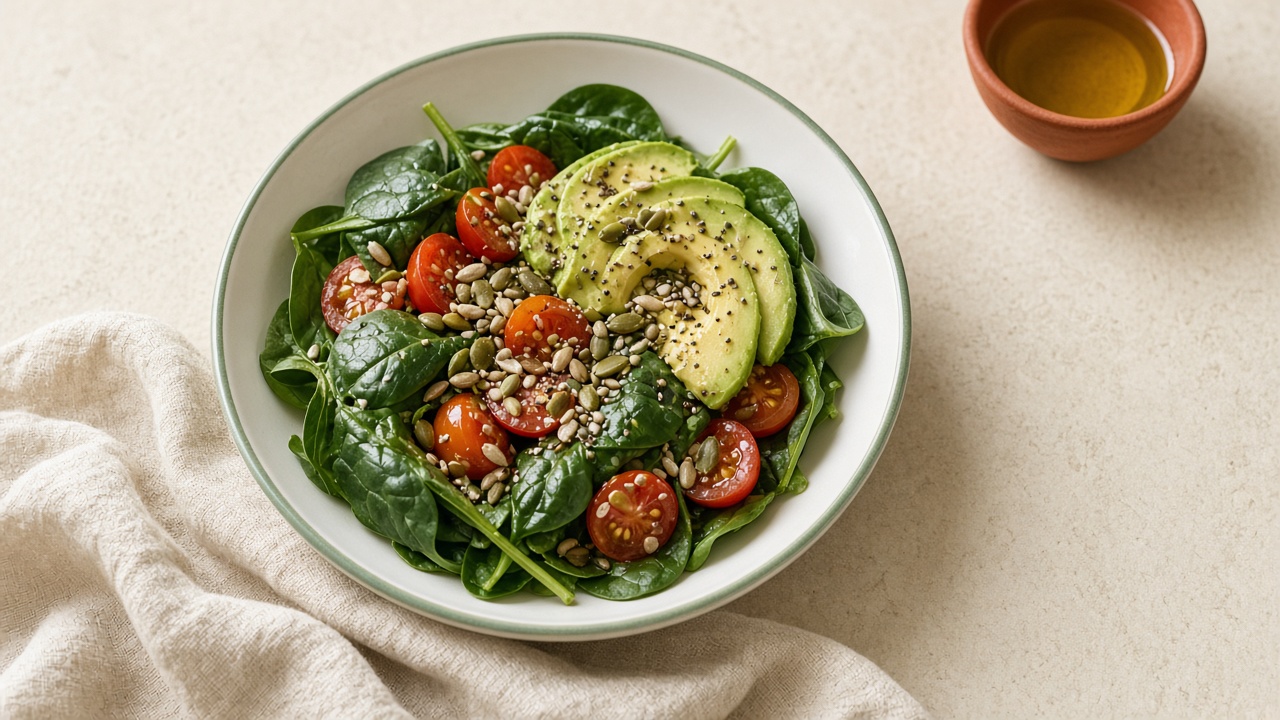
A picture of a meal helps you remember what was on the plate, and it does not measure grams or oil. CDC asks for a log of what was eaten, and in ScanDish a photo draft stays a draft until the person has confirmed both the meal and the day.
Memory and measurement are different jobs
A photograph holds the look of the plate: whether there was meat, whether there was a side, whether dessert was in the frame. That is useful in the evening, when the day has already faded. The weight of oil, of sauce, and of what sat under the leaves is not something the picture gives, because a camera is not a scale.
Confirmation in the product is what separates memory from grams. Until the meal and the day are confirmed, the draft does not count as a fact of what was eaten. The person can correct the sauce, the bread, and the drink that were missing from the frame or that looked smaller in the frame than they were.
Oil is the usual hole in the frame
A spoon of vegetable oil is preferred to saturated fat and still enters fat under 30% of energy. It is often missing from a picture of a salad. A log that kept only the leaves understates the day’s fat and overstates the feeling that lunch was “just vegetables” from the 400 g guide.
Saturated fat under 10% and industrial trans fat under 1% are invisible to a camera as well. A fried crust can look like “a little gold” and still be a noticeable line in the fat share. When you confirm the day, that crust is named on its own. It is not dissolved into the word “chicken” or “vegetables.”
The database and the label are more precise than the frame
FoodData Central gives a guide per 100 g, and brands differ. A picture does not report whether 100 g was eaten or twice that, and it does not tell dry grain from cooked grain: the water that changes the weight cannot be weighed from a photo. A “rice triples” factor is not inserted to repair a frame of a plate of rice.
A label, if the food came from a package, states energy per its serving, and a package can contain several servings. A labeled serving is not always 100 g and is not always equal to what fell inside the frame. The log is built from the confirmed portion, not from the impression that the plate “looked like one serving.”
The day’s log is wider than one frame
CDC asks for a log of food and drinks, and also of activity, sleep, and stress. One successful picture of lunch does not cover a drink that came later, and it does not cover a snack that was never photographed. Several days of such logs show the week on which it makes any sense to talk about a pace of about 1 to 2 pounds.
Setbacks are expected: a forgotten frame does not require hunger the next day, or a new ban. Rewards are not food. Two or three goals — water instead of a sugary drink, a vegetable with supper — can be confirmed in words even on a day when the photo was never taken. The picture remains a memory, not a measurement.
What this text draws on
- CDC, Steps for Losing Weight (January 17, 2025): a gradual pace of about 1 to 2 pounds a week is more likely to be kept than quicker loss; losing 20 pounds in 2 weeks is the example of an unrealistic goal. Modest loss, CDC’s example: 5% of 200 pounds is 10 pounds, can improve blood pressure, cholesterol, and blood sugar and could lower risk of heart disease, prediabetes, and type 2 diabetes — not a personal guarantee. Log food and drinks, activity, sleep, and stress. Goals are specific, two or three at a time; examples include water instead of a sugary drink, a 15-minute walk, a vegetable with supper. Setbacks are expected. Rewards are not food. Medicines, illness, stress, genes, hormones, environment, and age affect weight. Weight and medicine questions go to a clinician. Medicines and bariatric surgery are clinical options, not DIY.
- USDA FoodData Central: guides per 100 g; brands differ. A dry-food row is not a cooked portion, because water changes the weight. Do not use a “rice triples” factor.
- FDA Nutrition Facts: energy is stated per labeled serving; a package can contain several servings. A labeled serving is not always 100 g.
A short paraphrase of open guides and reviews (WHO, national recommendations, peer‑reviewed summaries). Not a quotation and not a treatment protocol.
Short answers
If the meal was photographed, are the grams already known?
No. The picture remembers the look of the plate and does not measure oil, sauce, or weight. In ScanDish a photo draft does not become grams until the meal and the day are confirmed.
Can a photo of rice be turned into a cooked weight by tripling it?
No. Water changes the weight, and a “rice triples” factor is not used. What is needed is a confirmed portion, not a multiplier on top of the frame.