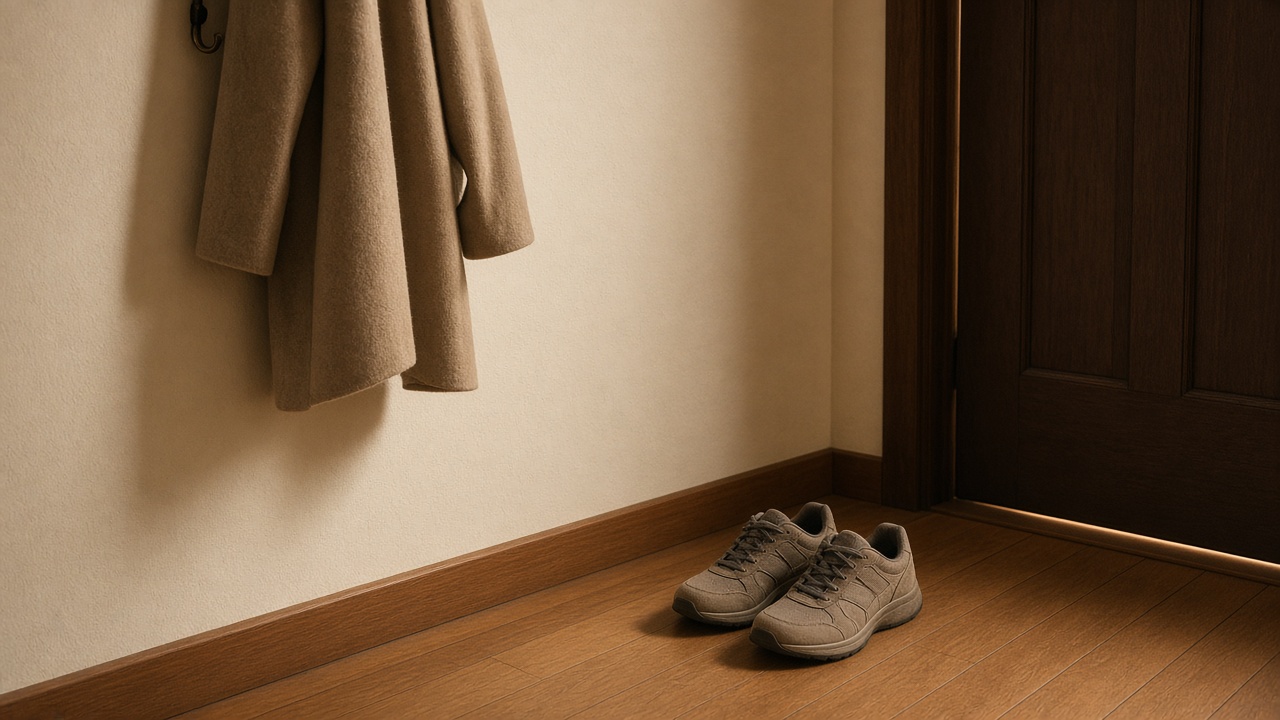
Some is better than none
The WHO fact sheet places any activity above none at all and separately asks for sedentary time to be limited. A week of loss does not have to begin with heroics: a short outing is already better than a day that stayed in the chair.

Zero and “some” are different positions
The WHO wording is short: some activity is better than none. It does not say that an unfinished 150 minutes equals zero, or that such a day need not be logged. An incomplete sum and an empty space are different records, and the empty space is worse.
The range for adults 18–64 stays in place: at least 150–300 minutes of moderate aerobic activity a week, or 75–150 minutes of vigorous activity. CDC keeps the lower edge at at least 150 minutes. The sentence “better than none” does not cancel the range. It does not let a week be called successful only because a person stood up once.
Sitting is its own line
The fact sheet asks for sedentary time to be limited, and that is not the same task as collecting the aerobic minutes. A person can finish a morning walk and then sit through the rest of the day with almost no pause. Cutting sitting is about those long still stretches, not about replacing 150 minutes with one rise from the chair.
Desk work does not subtract the food that was eaten and does not create a right to a harsher plate. It only lengthens the stillness that a short walk is meant to break. Fifteen minutes, CDC’s example of a specific goal, is about that break, not about a report that says “a workout occurred.”
Some does not cancel the strength days
Muscle-strengthening on two or more days sits beside the aerobic minutes at both WHO and CDC. The sentence “some is better than none” does not close that line with a walk to the kitchen. If a strength day did not happen, it is written that way: it did not happen, and it is not hidden inside the words “I moved.”
From age 65, balance and coordination on three or more days are added to the same minutes. A short balance exercise is also better than zero, and it replaces neither the walking nor the strength days. This article assigns no routine and does not fold three different lines into one check mark.
A loss does not require a heroic zero
A gradual pace of about 1 to 2 pounds a week is more likely to be kept than a quicker loss, and it fits a week when movement was incomplete but not zero. Trying at the same time to cut food toward an unrealistic goal — losing 20 pounds in 2 weeks — and to demand perfect minutes of oneself is exactly what breaks. A setback is expected, and it is met by a return to two or three goals, not by shame over a short outing.
The activity log shows “some” honestly: a short outing one day and fifteen minutes another. The bot and the diary have no right to zero those minutes only because the 150–300 range was not collected. Questions about whether movement is appropriate during treatment go to a clinician. The page does not hand medicines over to do-it-yourself use.
What this text draws on
- WHO Physical activity fact sheet: adults 18–64 at least 150–300 minutes of moderate aerobic activity a week, or 75–150 minutes vigorous, plus muscle-strengthening on 2 or more days; some activity is better than none; sedentary time should be limited. From age 65, the same plus balance and coordination on 3 or more days.
- CDC, Adult Activity: at least 150 minutes of moderate aerobic activity a week and muscle-strengthening on 2 or more days.
- CDC, Steps for Losing Weight (January 17, 2025): a gradual pace of about 1 to 2 pounds a week is more likely to be kept than quicker loss; losing 20 pounds in 2 weeks is the example of an unrealistic goal. Modest loss, CDC’s example: 5% of 200 pounds is 10 pounds, can improve blood pressure, cholesterol, and blood sugar and could lower risk of heart disease, prediabetes, and type 2 diabetes — not a personal guarantee. Log food and drinks, activity, sleep, and stress. Goals are specific, two or three at a time; examples include water instead of a sugary drink, a 15-minute walk, a vegetable with supper. Setbacks are expected. Rewards are not food. Medicines, illness, stress, genes, hormones, environment, and age affect weight. Weight and medicine questions go to a clinician. Medicines and bariatric surgery are clinical options, not DIY.
A short paraphrase of open guides and reviews (WHO, national recommendations, peer‑reviewed summaries). Not a quotation and not a treatment protocol.
Short answers
If 150 minutes were not collected, is the activity week lost?
No. Some activity is better than none, and the short outings are worth logging. The range of 150–300 minutes stays a guide for the week, not a switch that erases everything below it.
Is it enough to sit less, without walking and strength work?
Limiting sedentary time is a separate request of the fact sheet, and it does not replace 150 minutes of moderate activity and muscle-strengthening on two or more days. Sitting less is better than sitting without a break, and the lines do not merge into one.