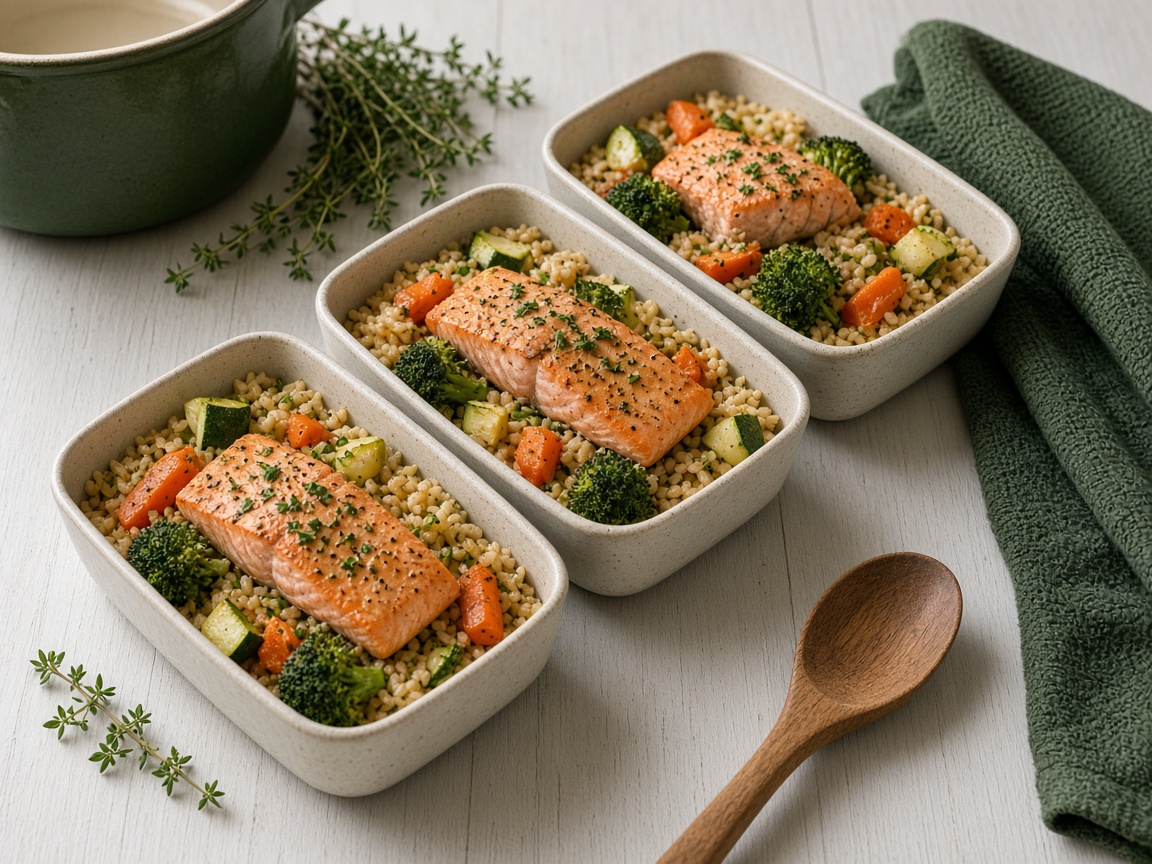
A hand instead of a scale
A palm or a handful can start a diary line when no scale is nearby. That handful is not a FoodData Central row and does not become 100 g just because that would be convenient to count.
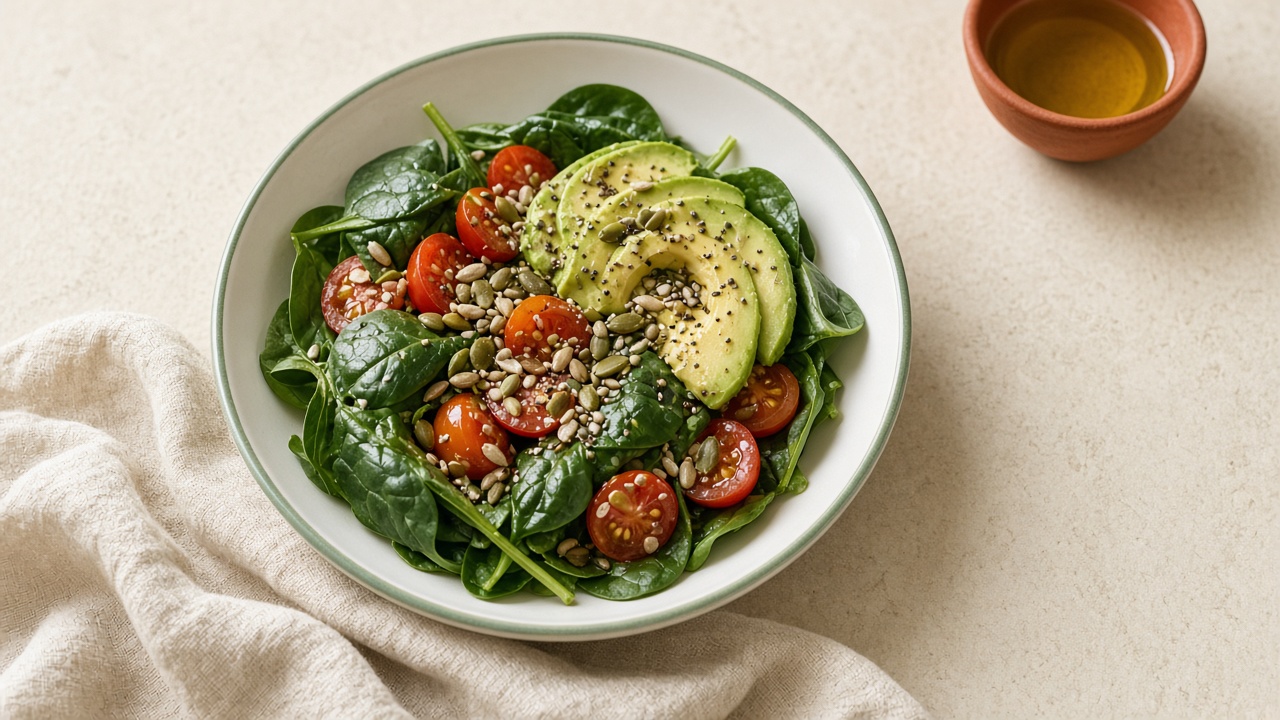
Where the hand is useful
CDC asks you to log food and drinks, and an empty line is worse than an honest approximation. A palm of porridge, a handful of nuts, a piece of fish “about a palm” give you a day you can talk about later. That is the start of a log, not a measurement.
A specific goal can include the habit of writing things down, beside a short walk and a vegetable with supper. A setback — a plate described too smoothly — is expected. The reward for neatness is not food, and a flattered handful does not become more accurate because the day is meant to look tidy.
Why this is not the database
FoodData Central gives guides per 100 g, and brands differ. A handful is not 100 g until it is weighed. Attaching a “per 100 g” row to a handful means presenting a visual guess as a mass.
A dry-food row is not a cooked portion, because water changes the weight. A handful of cooked rice cannot be counted as dry rice and cannot be multiplied by an invented “rice triples” factor. If the state of the food does not match the row, it is more honest to write that this is a hand estimate than to perform exact grams.
Where the hand lies more
Oil, nuts, cheese, and sauce easily look like “just a little” and carry noticeable energy in a small volume. Vegetables err differently in the same palm: their volume is large, and they still should not be confused with fat. A drink is not described by the hand at all: it is written separately, because CDC includes drinks in the log.
A shared bowl eaten by several people is not measured by one person’s hand as the whole recipe. The diary gets the share that was on your plate, including the oil that landed on it. A ScanDish photo draft does not turn that handful into grams until the person confirms the meal and the day, and confirmation is still not a scale.
When you pick up another ruler
A package with Nutrition Facts is read by its own serving, not by a handful of “about that much.” Energy there is stated per labeled serving, there may be several servings, and that serving is not always 100 g. The hand is for the place where there is no panel.
A scale, when you have one, settles mass better than a palm. Until you do, the line should say so: an estimate, not database grams. The balance of intake and expenditure does not become more accurate because the voice was confident, if the mass was invented.
What this text draws on
- USDA FoodData Central: guides per 100 g; brands differ. A dry-food row is not a cooked portion, because water changes the weight. Do not use a “rice triples” factor.
- CDC, Steps for Losing Weight (January 17, 2025): a gradual pace of about 1 to 2 pounds a week is more likely to be kept than quicker loss; losing 20 pounds in 2 weeks is the example of an unrealistic goal. Modest loss, CDC’s example: 5% of 200 pounds is 10 pounds, can improve blood pressure, cholesterol, and blood sugar and could lower risk of heart disease, prediabetes, and type 2 diabetes — not a personal guarantee. Log food and drinks, activity, sleep, and stress. Goals are specific, two or three at a time; examples include water instead of a sugary drink, a 15-minute walk, a vegetable with supper. Setbacks are expected. Rewards are not food. Medicines, illness, stress, genes, hormones, environment, and age affect weight. Weight and medicine questions go to a clinician. Medicines and bariatric surgery are clinical options, not DIY.
- FDA Nutrition Facts: energy is stated per labeled serving; a package can contain several servings. A labeled serving is not always 100 g.
- WHO Healthy diet fact sheet: energy intake in balance with expenditure; fruit and vegetables ≥400 g/day; free sugars <10% of energy (below 5% for further benefit); fat <30%; saturated fat <10%; trans fat <1%; salt <5 g/day; unsaturated fats (fish, avocado, nuts, vegetable oils) preferred to saturated and industrial trans fats.
A short paraphrase of open guides and reviews (WHO, national recommendations, peer‑reviewed summaries). Not a quotation and not a treatment protocol.
Short answers
Can a handful be logged as 100 g?
No. 100 g is the database scale, not the size of a palm. Until the food is weighed, it is an estimate.
Does a confirmed photo become grams?
No. Confirming the meal and the day makes the draft an accepted description. That description does not become a scale.