Iron, calcium, B12, and company
Calories can be covered with biscuits. Iron, calcium, iodine, folate, vitamin D, and omega-3 cannot. Below is a map, not a supplement prescription.

Iron
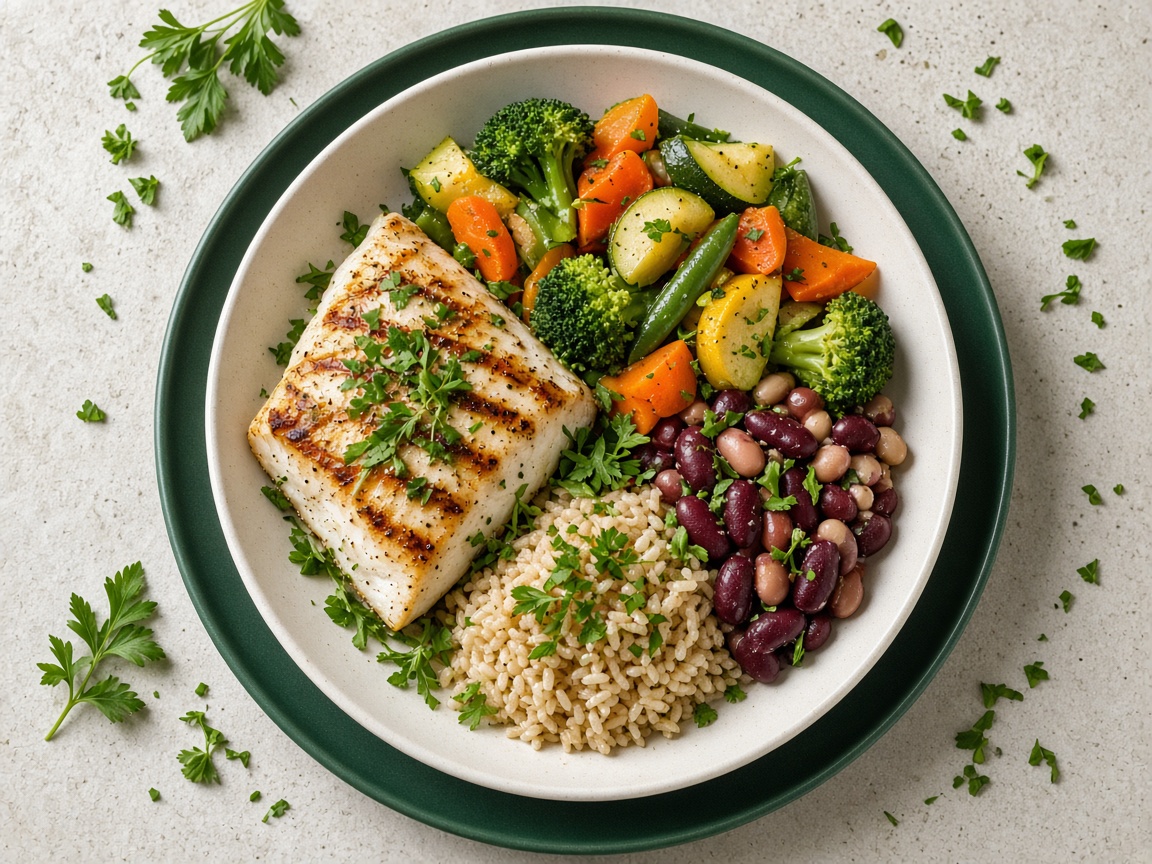
Heme iron from meat and fish is absorbed more easily. Plant iron is in legumes, greens, and whole grains, and it needs more attention, especially on a vegetarian or vegan plate. Vitamin C beside it helps. Tea right after the meal can get in the way. Fatigue and low ferritin are a lab test, not a smoothie course.
Women with heavy periods and blood donors often run short sooner than “the average on a table.” That is a conversation with a clinician.
Calcium and vitamin D
Dairy, fortified plant milk, tofu set with a calcium salt, some greens. An almond drink without added calcium is nearly empty on this point. Vitamin D depends on sun, latitude, and skin. In a northern winter food rarely covers it fully. This site does not set a lab target or a dose.
Calcium from a supplement is not something to pile on top of dairy without advice: more is not automatically better for blood vessels and kidneys.
B12, iodine, folate, omega-3
B12 is in animal foods and fortified food. On a fully plant plate you need a reliable source, or the deficiency arrives quietly. Iodine is iodized salt and seafood, not “any seaweed in an unknown dose.” Folate is greens and legumes, and before pregnancy a folate plan is set by a clinician ahead of time.
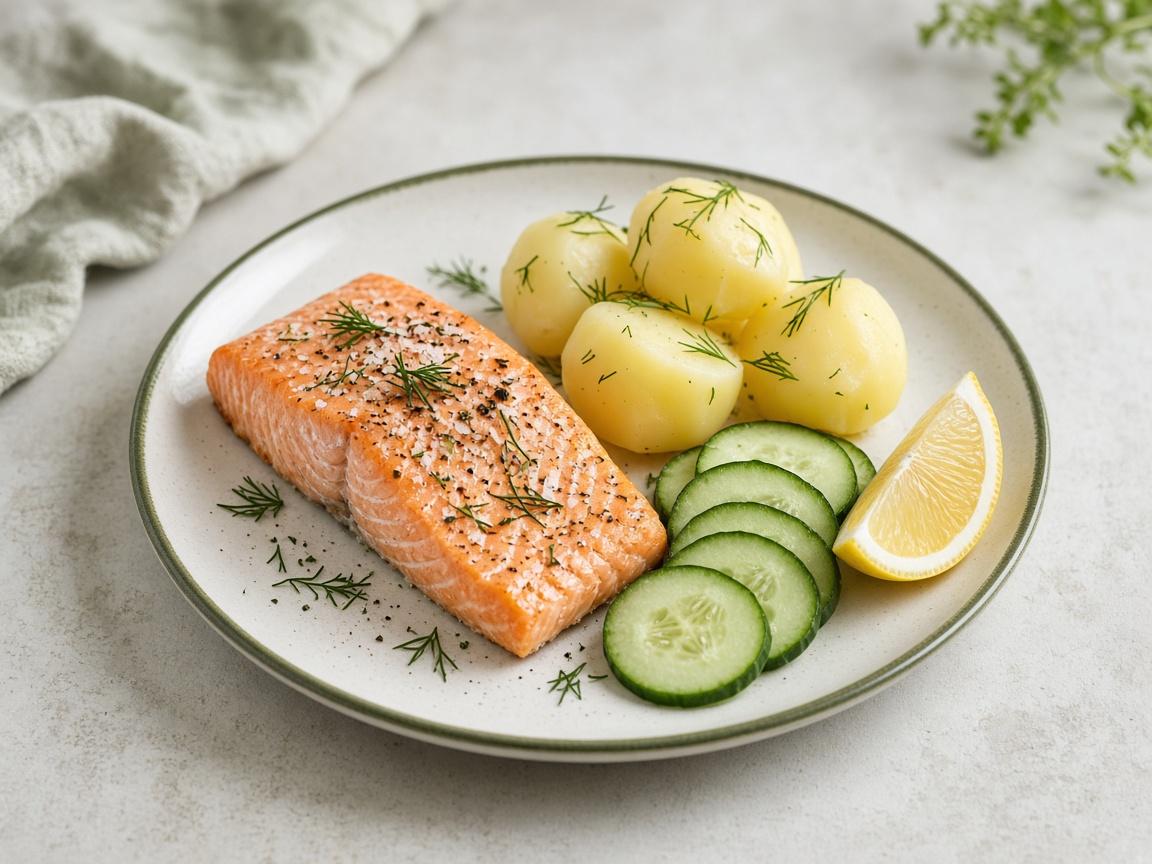
Omega-3 EPA and DHA are in fatty fish. Flax oil gives a different kind, ALA, which the body converts only modestly. Capsules are already a pharmacy and a clinician, especially alongside medicines that affect clotting.
What a diary can do
A diary does not replace a blood test. It shows whether the week contains fish, dairy or a real stand-in, greens, and ordinary or iodized salt. That is enough to arrive at a clinic without empty hands and without a superfood myth.
What this text draws on
- USDA and HHS: Dietary Guidelines for Americans (periodic editions).
- MyPlate (USDA) — balanced plate: vegetables, fruits, grains, protein, dairy.
A short paraphrase of open guides and reviews (WHO, national recommendations, peer‑reviewed summaries). Not a quotation and not a treatment protocol.
Short answers
Does everyone need a multivitamin?
No. Gaps are closed on purpose. A healthy person with a varied plate is not obliged to take a handful of pills.