One plate, the MyPlate way
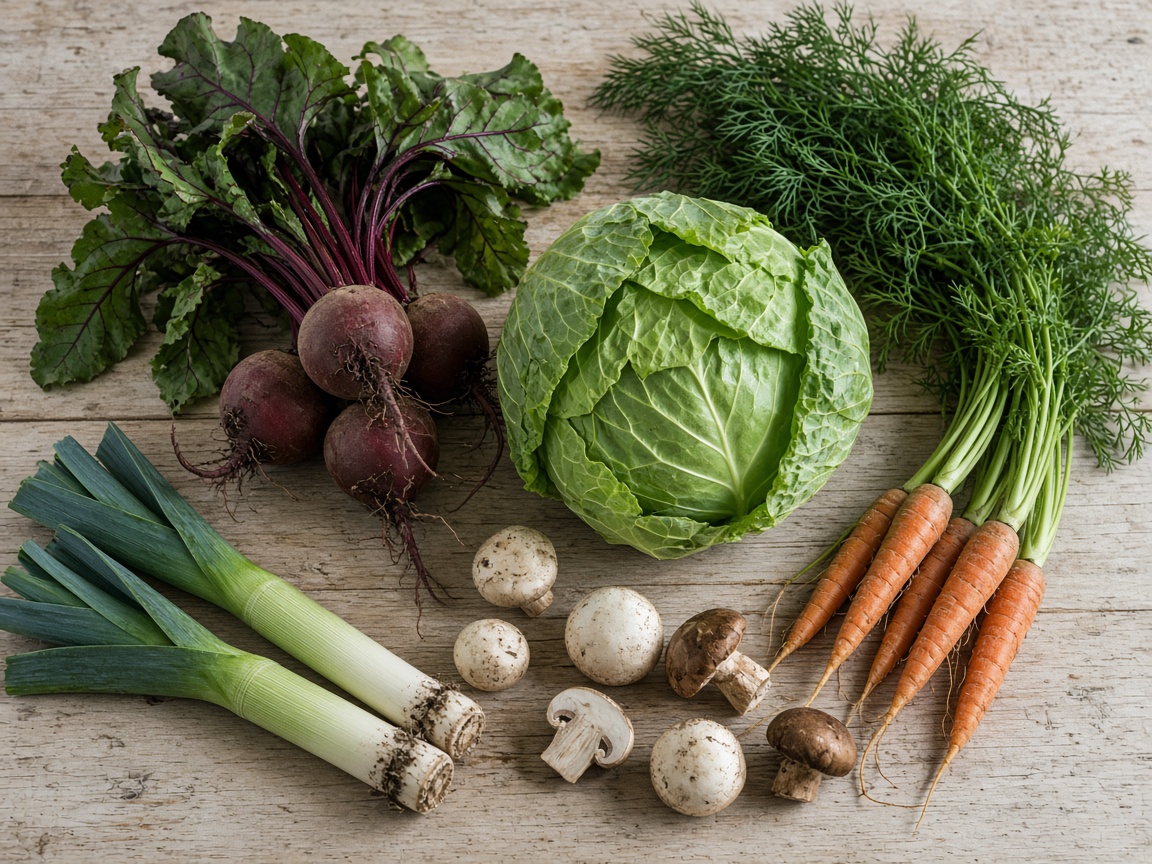
MyPlate divides a plate into simple shares, not into grams of macros. Half is fruits and vegetables. Among grains, half are whole. Protein foods vary. Dairy is low-fat or fat-free, or fortified soy. This is the same day in which WHO asks for 400 g of fruit and vegetables and for limits on sugar, fat, and salt.
How to build a lunch
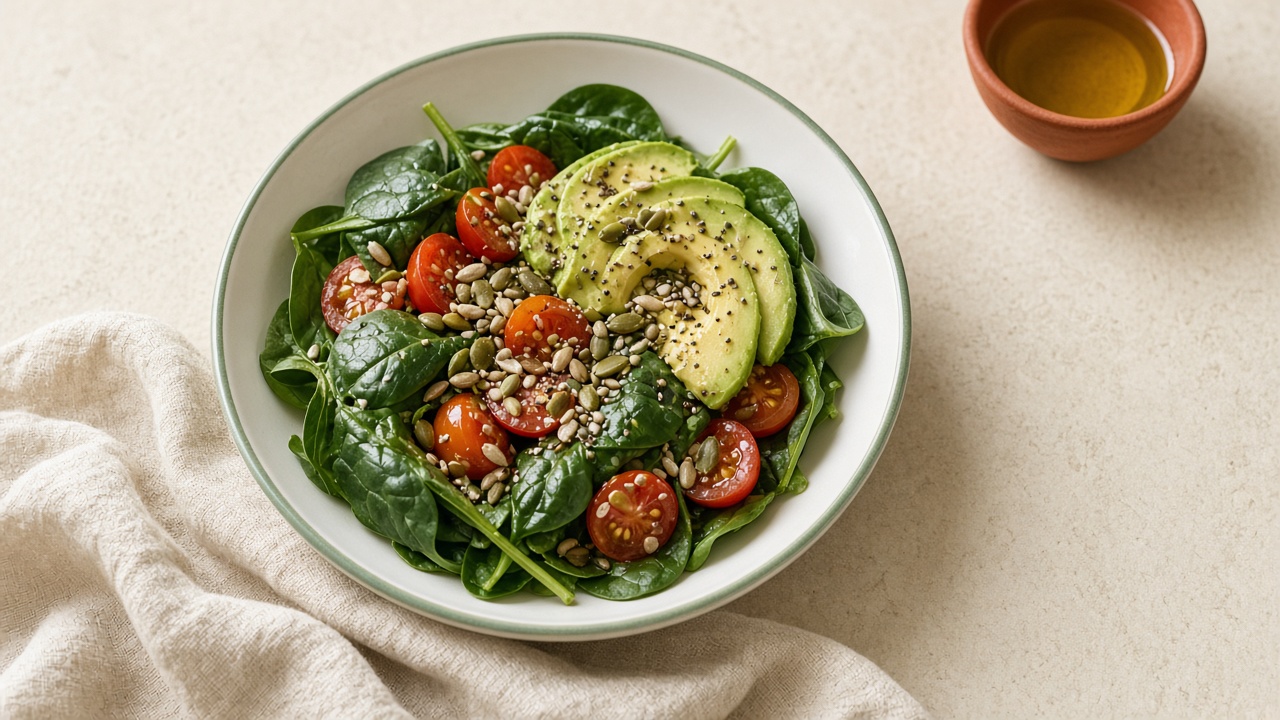
The vegetable takes a real part of the plate, not a garnish “for color.” Fruit can be there or at another meal, as long as the day moves toward 400 g. Grain or bread is whole for at least half of the day’s grains. Fish, beans, egg, or poultry covers protein. A glass of milk or fortified soy is the dairy group, if the person eats it.
Oil for the vegetables comes from the unsaturated fats WHO talks about, and it is not hidden. Sauce counts as salt and as fat.
What the plate does not have to repeat
The guidelines do not require every meal to be a perfect copy of the MyPlate circle. Breakfast of oats, berries, and yogurt plus lunch of fish, grain, and salad is closer to the text than one “correct” dinner after an empty day.
The U.S. guidelines explicitly allow culture and budget to shape the pattern. Lentils instead of fish are still a protein food. Frozen vegetables are still vegetables.
Where the pattern breaks
Half a plate of french fries does not complete the vegetable line: WHO does not substitute starchy tubers for 400 g of fruit and vegetables, and deep-frying hits the fat limit. A sugary drink beside a handsome plate spends free sugars apart from the plate.
A large piece of fatty meat with empty vegetables covers protein and misses both half the plate and the saturated-fat limit.
How to check it
CDC suggests writing down a few days, not grading one successful lunch. In a ScanDish photo the shares are visible when the frame has a vegetable, a grain, and a protein food, and the caption has the oil and the drink.
A calorie draft does not replace that check. A plate can match MyPlate and still be more or less energy than the person thought.
What this text draws on
- Dietary Guidelines for Americans, 2020–2025, and MyPlate: half the plate fruits and vegetables; half of grains whole; varied protein foods (seafood, meat, poultry, eggs, beans, nuts, soy); low-fat or fat-free dairy or fortified soy; added sugars <10% of calories from age 2; saturated fat <10%; sodium <2,300 mg/day.
- WHO Healthy diet fact sheet: fruit and vegetables ≥400 g/day; free sugars <10% of energy (below 5% for further benefit); fat <30%; saturated fat <10%; trans fat <1%; salt <5 g/day; unsaturated fats preferred.
- CDC, Steps for Losing Weight: log food and drinks; one example of a short goal is water instead of a sugary drink; if weight is not changing as hoped, revise the plan from the log.
A short paraphrase of open guides and reviews (WHO, national recommendations, peer‑reviewed summaries). Not a quotation and not a treatment protocol.
Short answers
Must every meal be half vegetables?
MyPlate is a picture of a plate. Across the day, vegetables, fruit, whole grains, and protein matter more than a perfect circle at every sitting.
Does yogurt replace vegetables?
No. Dairy is its own group. Fruits and vegetables stay half the plate and the WHO 400 g line.