
One salty meal
One salty meal can take a large part of the day's salt and sodium, because the limits are written for a day, not for an average dish. The morning scale after such a table often moves because of water, and that shift is not the pace of weight change CDC writes about.
The limits are written for the whole day
WHO keeps salt under 5 g a day. The Dietary Guidelines keep sodium under 2,300 mg a day. The DASH plan names 2,300 mg and a 1,500 mg version. Those are three published wordings, and this article does not convert grams of salt into milligrams of sodium with a homemade formula.
Soup, sauce, cheese, bread, and a restaurant dish can together take a noticeable share before the day is over. The remaining meals then already sit inside a narrow remainder, not inside the full limit. One ordinary salty lunch is therefore not a trifle against the day: it is a large part of that day.
The morning on the scale is about water
After a very salty supper, weight the next morning often shifts along with water. That is not a description of how much fat one table added, and it is not the CDC pace of about 1 to 2 pounds a week. A weekly pace is read from a run of days, not from one morning after brine, soup, or a salty snack.
CDC separately calls losing 20 pounds in 2 weeks unrealistic and gives a modest example: 5% of 200 pounds is 10 pounds, with a possible link to blood pressure, cholesterol, and blood sugar, and without a personal guarantee. The morning jump after salt is neither confirmed nor cancelled by that example. It is simply not read as fat gained overnight.
Blood pressure and the plan that was studied
The DASH plan is vegetables, fruit, whole grains, low-fat dairy, fish, poultry, beans, nuts, and vegetable oils, with less fatty meat, sweets, and sugary drinks. It was studied for blood pressure. It is not a crash plan and not permission to eat everything else in a salty form. This article does not give millimeters of mercury.
The DASH trial compared a pattern higher in vegetables, fruit, and low-fat dairy and lower in saturated fat with a typical American control diet, and blood pressure fell. One salty supper neither cancels nor repeats that trial. If blood pressure is already treated, pills are not stopped because of a plate: CDC sends medicine questions to a clinician.
What to write in the diary that day
CDC asks for a log of food and drinks. A salty meal is worth writing so that the dish is visible and so is the fact that it was salty: soup, sauce, brine, ready food. Without that line, the morning on the scale is easy to take as a fat setback, while the log would have shown salt.
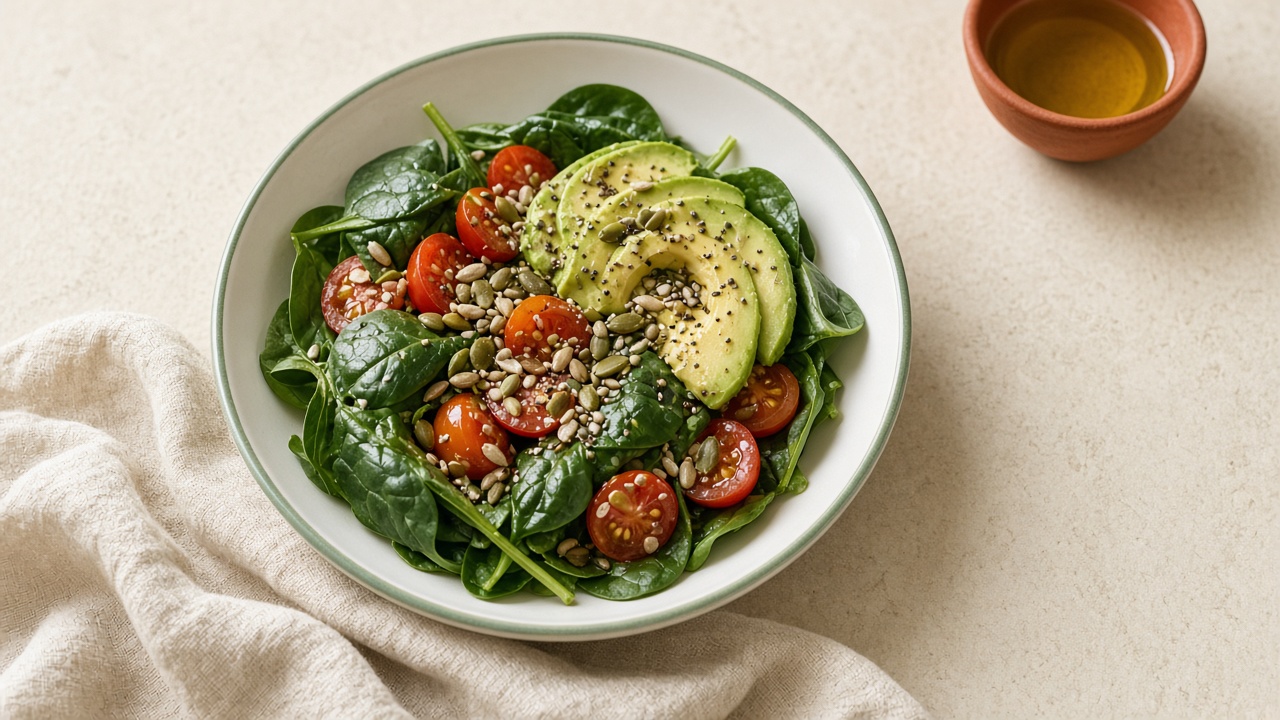
A photo of the plate is not grams of salt and not milligrams of sodium until the person confirms what was eaten and what the day was. Vegetables on that same plate still count toward the 400 g line and do not wash the salt away after the fact. The next meal does not have to be a punishment: setbacks are expected, and the salt limit simply becomes visible again.
What this text draws on
- WHO Healthy diet fact sheet: energy intake in balance with expenditure; fruit and vegetables ≥400 g/day; free sugars <10% of energy (below 5% for further benefit); fat <30%; saturated fat <10%; trans fat <1%; salt <5 g/day; unsaturated fats (fish, avocado, nuts, vegetable oils) preferred to saturated and industrial trans fats.
- Dietary Guidelines for Americans, 2020–2025, and USDA MyPlate: a nutrient-dense pattern shaped by culture and budget; added sugars <10% of calories from age 2; saturated fat <10%; sodium <2,300 mg/day; half the plate fruits and vegetables; half of grains whole; varied protein foods; low-fat or fat-free dairy or fortified soy. Drinking less is better than drinking more; not drinking is an option.
- NHLBI DASH Eating Plan: vegetables, fruits, whole grains, low-fat dairy, fish, poultry, beans, nuts, vegetable oils; less fatty meat, sweets, and sugary drinks; sodium 2,300 mg or a 1,500 mg version. Studied for blood pressure, not as a crash plan and not as permission to eat everything.
- DASH, Appel et al., NEJM 1997: a pattern higher in vegetables, fruit, and low-fat dairy and lower in saturated fat lowered blood pressure compared with a typical American control diet. Do not give millimeters of mercury.
- CDC, Steps for Losing Weight (January 17, 2025): a gradual pace of about 1 to 2 pounds a week is more likely to be kept than quicker loss; losing 20 pounds in 2 weeks is the example of an unrealistic goal. Modest loss, CDC’s example: 5% of 200 pounds is 10 pounds, can improve blood pressure, cholesterol, and blood sugar and could lower risk of heart disease, prediabetes, and type 2 diabetes — not a personal guarantee. Log food and drinks, activity, sleep, and stress. Goals are specific, two or three at a time; examples include water instead of a sugary drink, a 15-minute walk, a vegetable with supper. Setbacks are expected. Rewards are not food. Medicines, illness, stress, genes, hormones, environment, and age affect weight. Weight and medicine questions go to a clinician. Medicines and bariatric surgery are clinical options, not DIY.
A short paraphrase of open guides and reviews (WHO, national recommendations, peer‑reviewed summaries). Not a quotation and not a treatment protocol.
Short answers
Is the morning gain on the scale after a salty supper fat?
It is not read as fat gained overnight. After very salty food, weight often shifts because of water, and the CDC pace is read across a week, not from one morning.
Can one soup take a large share of the day's salt?
Yes. The salt and sodium limits are written for the day. One salty meal can take a large part of that limit before evening.
