Fat
Fat is 9 kcal per gram, the densest macro. It is needed for taste, fullness, and the absorption of some vitamins. It is easy to miss in spoons.
Kinds, briefly
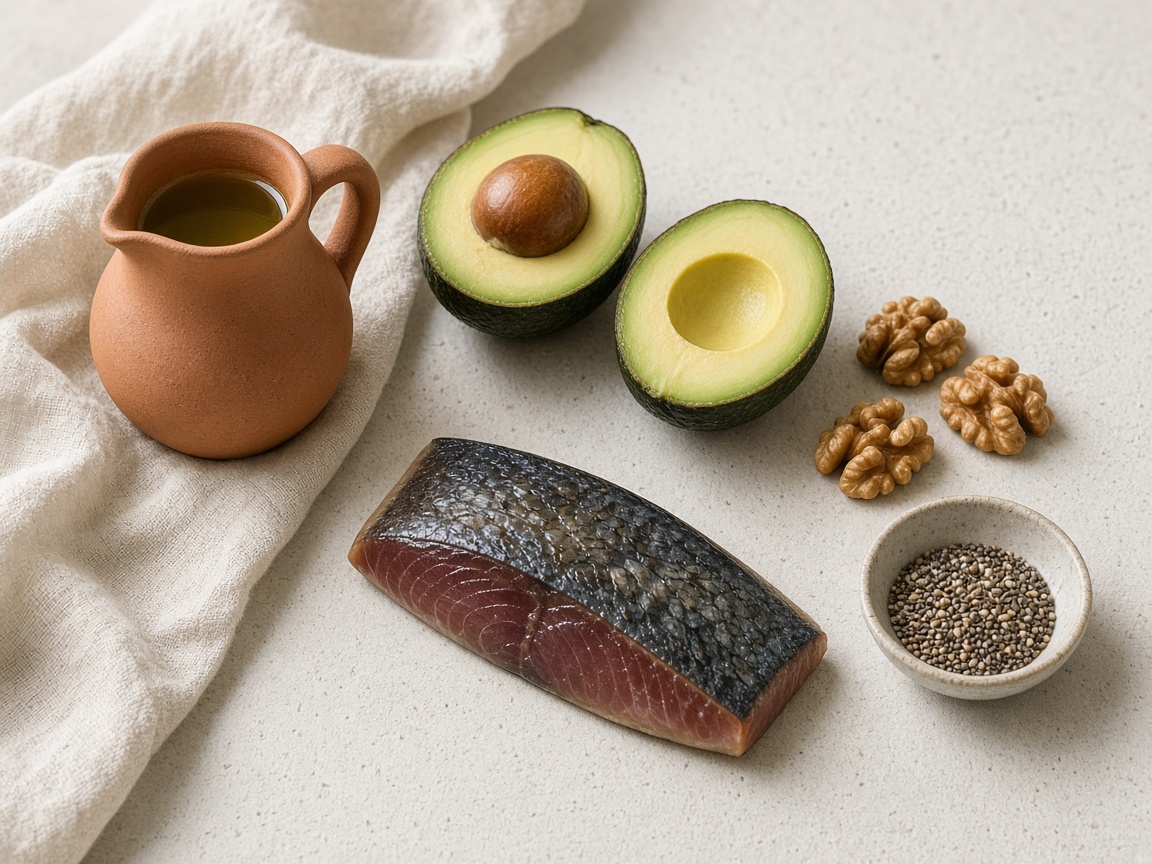
Olive and rapeseed oil, nuts, avocado, and fatty fish are the fats patterns such as the Mediterranean and northern plates put at the base. Butter and the fat in meat are ordinary food, and not an endless layer. Industrial trans fats in some pastry and deep-frying are better not made daily. A label is more honest than the word homemade.
Fish oil in a capsule is not a spoon of olive oil and not an automatic replacement for fish. Supplements belong in a talk with a clinician, especially if medicines are already in use.
What the bot assigns
The ordinary plate is about 0.9 g per kg. More protein is 0.8 g. More plants is 0.85 g. Fewer fast carbs starts at 1.15 g and then adds fat from a quarter of the carbohydrate calories. That is a guide for the day, not an order to dress the salad up to the figure.
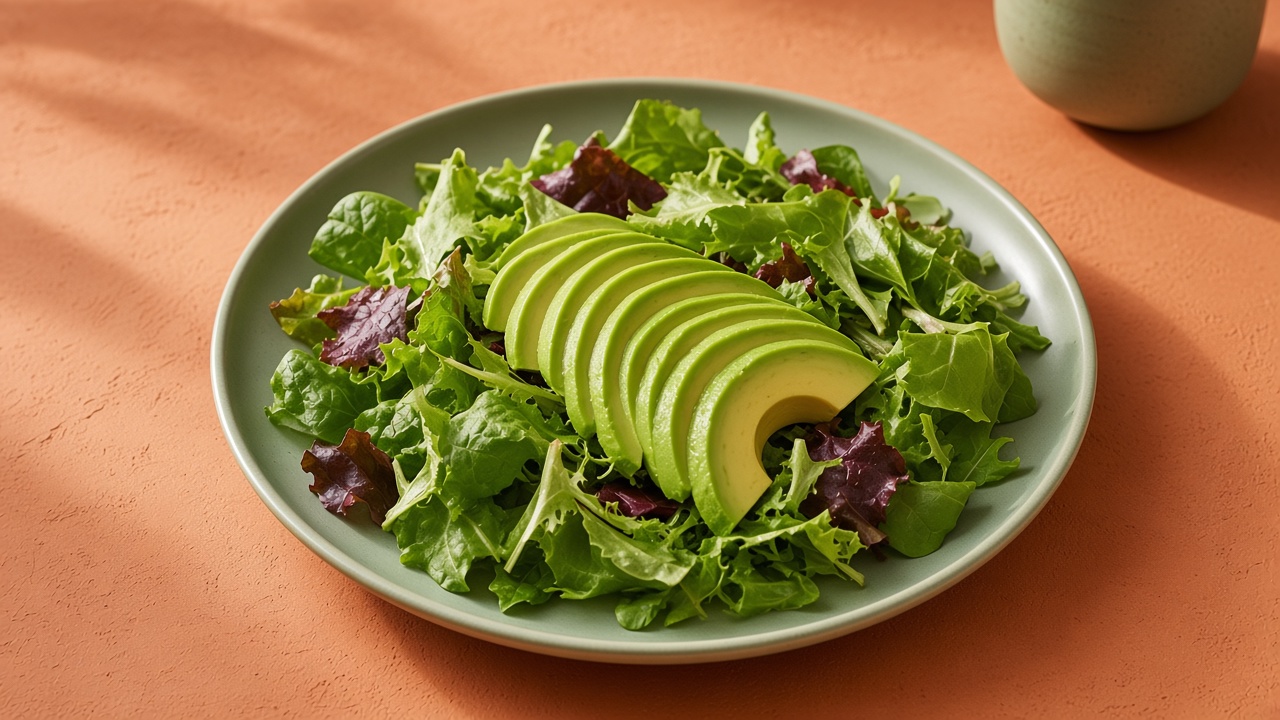
If the day has already spent its calories on oil, there may be no room for nuts. Both foods are useful in a portion and get in each other’s way when they are not weighed.
Frying
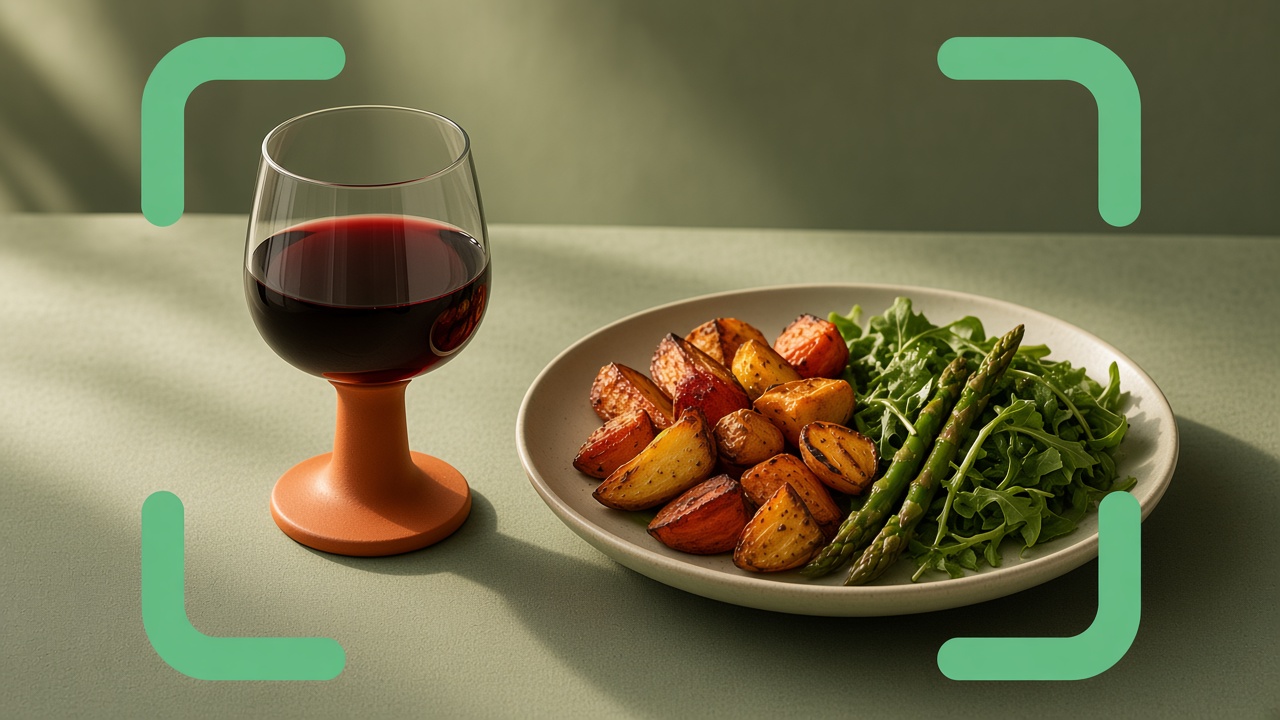
Oil in the pan partly stays in the food. “I barely use oil” over a shiny fry is a common hole in a diary. A photo before the oil is wiped up with bread is more honest. The bread you wiped it with is food too.
What this text draws on
- WHO: Healthy diet fact sheet — sugars <10% energy, fat ≤30%, salt <5 g/day, vegetables and fruit.
- WHO carbohydrate guideline, 2023 (NCBI Bookshelf NBK594788) — fiber ≥25 g/day for adults.
A short paraphrase of open guides and reviews (WHO, national recommendations, peer‑reviewed summaries). Not a quotation and not a treatment protocol.
Short answers
Does fat make a person fat?
Fat tissue grows from a surplus of energy over weeks. Fat in food is a dense source of that energy, not a separate moral category.
How many grams are in a spoon of oil?
A tablespoon is about 10–14 g, 90–120 kcal. Your own spoon is worth one check on a scale.