Fiber
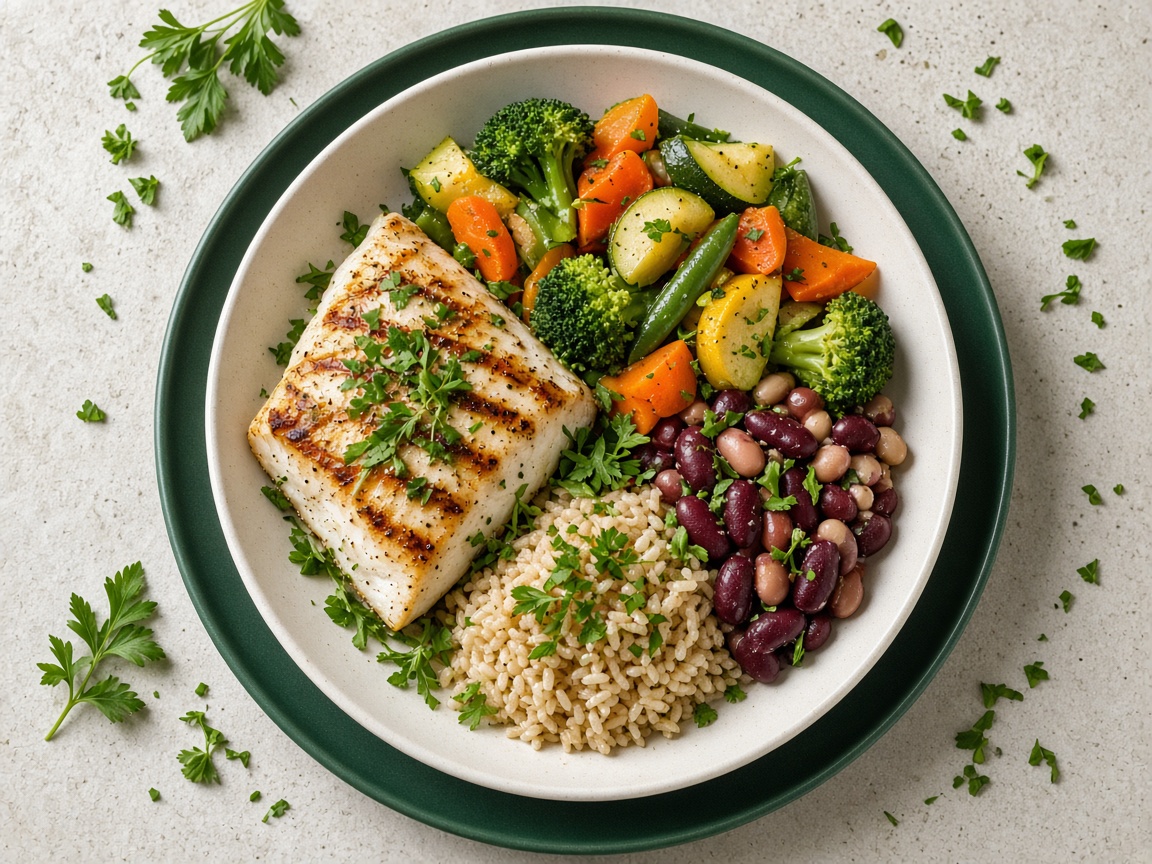
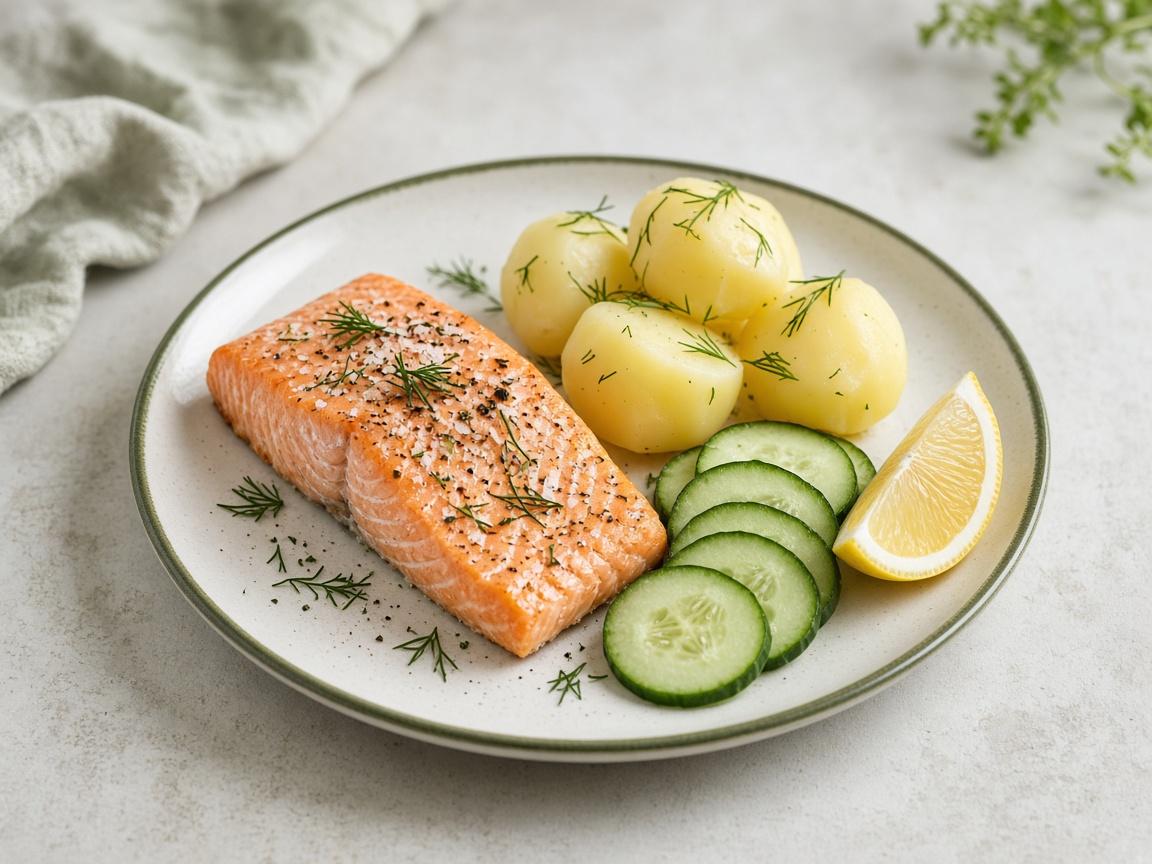
Fiber is the part of plant food that the small intestine does not take apart into calories the way it takes apart sugar. It holds volume, feeds the microbiota, and is tied to calmer digestion when it is added gradually.
Where to get it
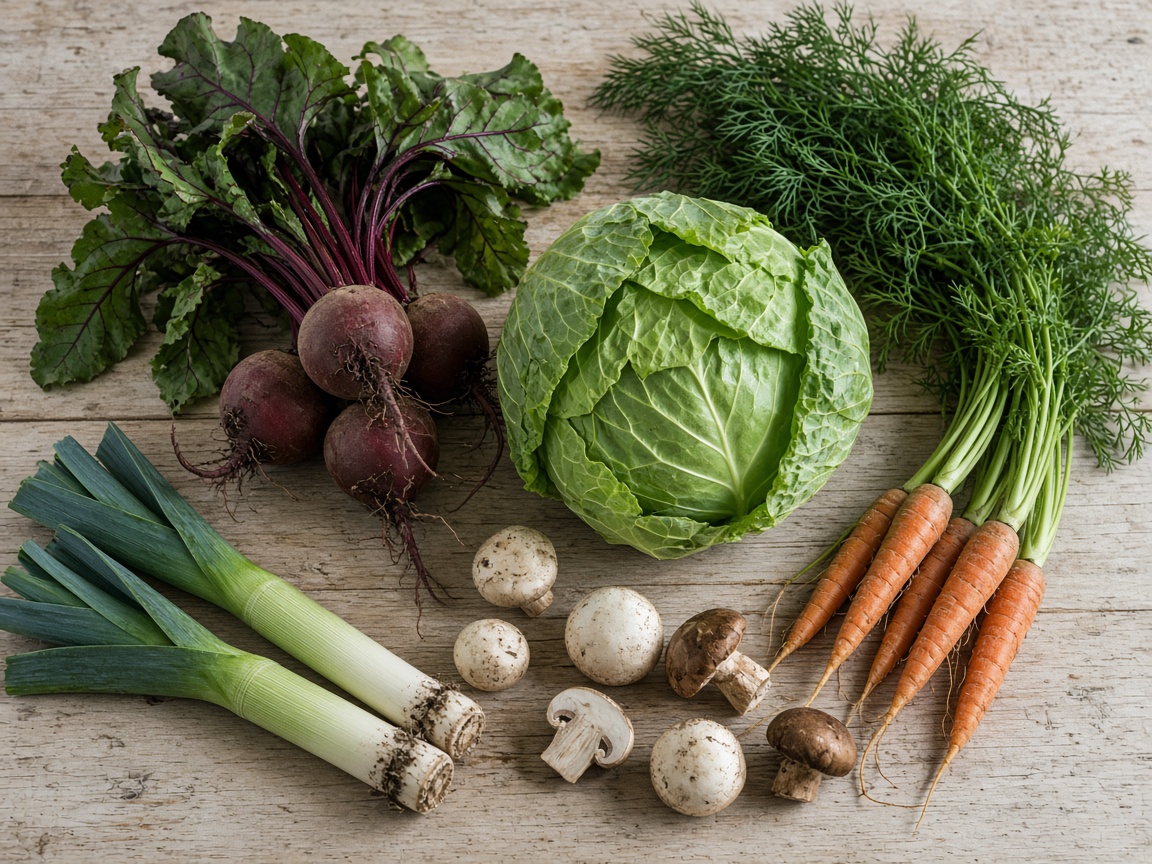
Vegetables, fruit with the skin, legumes, oats, barley, rye bread, nuts, seeds. Juice loses almost all of it. A white roll carries little. A vegetable soup and a plate of lentils carry a lot.
Adult guides often say something like 25–30 g a day and up. That is not a single-day quest with a jar of bran. A sharp jump brings gas and heaviness. Water beside it is required: fiber without water works worse.
Calories
Labels count fiber in different ways, and some energy does come back through fermentation. For a household diary it is enough not to log vegetables as zero and not to log bran as air. ScanDish estimates the whole dish.
With bowel disease, after surgery, and on a low-FODMAP protocol, “more fiber at any cost” can be harmful. A clinician sets that plan.
What this text draws on
- WHO: Healthy diet fact sheet — sugars <10% energy, fat ≤30%, salt <5 g/day, vegetables and fruit.
- WHO carbohydrate guideline, 2023 (NCBI Bookshelf NBK594788) — fiber ≥25 g/day for adults.
A short paraphrase of open guides and reviews (WHO, national recommendations, peer‑reviewed summaries). Not a quotation and not a treatment protocol.
Short answers
Bran every day?
It is not required. Ordinary vegetables, legumes, and whole grain cover the job more gently than a shock dose of bran.