Glycemic index and load
The index describes how fast a food raises blood glucose in a test, usually on a portion with the same amount of carbohydrate. Load also accounts for how much carbohydrate you actually ate.

Where the index helps and where it lies
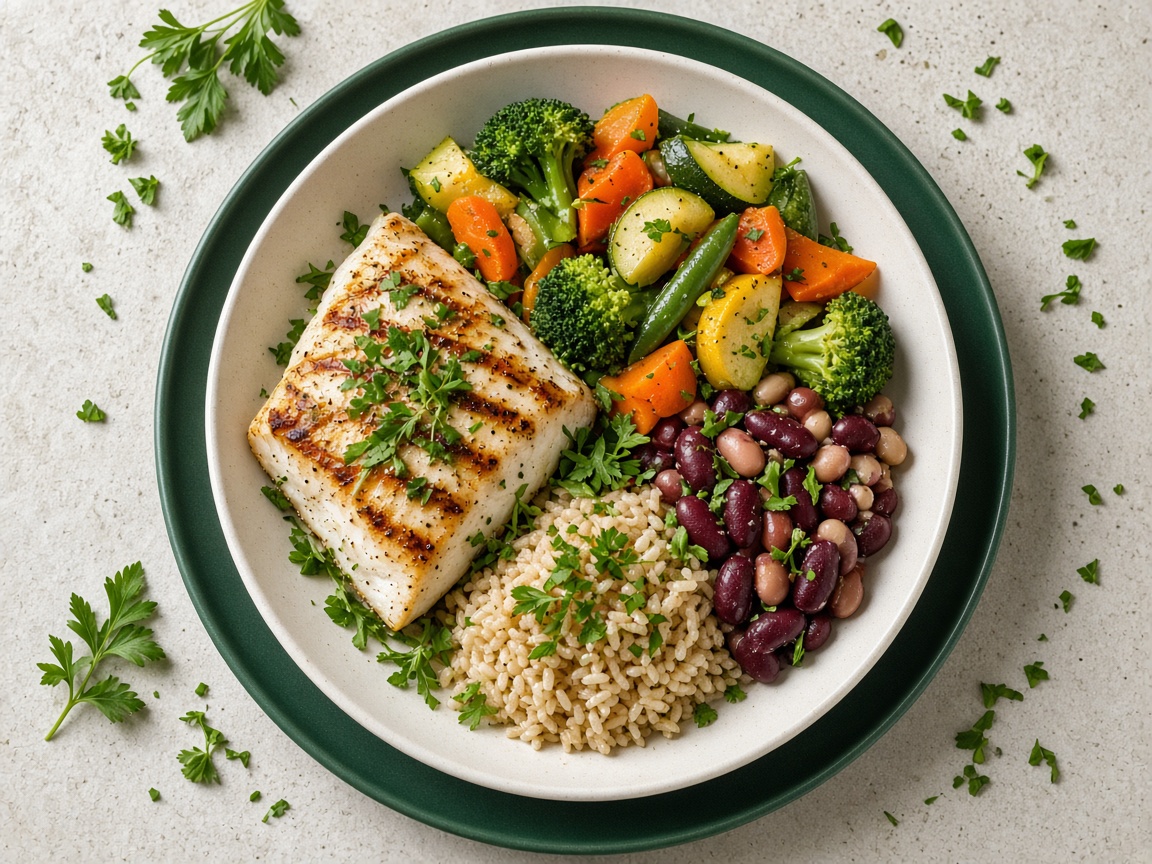
Rice versus lentils in a lab is a clear picture. Dinner of rice, oil, fish, and cabbage is already different: fat, protein, and fiber slow the story. Cooking pasta a little firmer, cooling potato, eating a fruit whole rather than as juice — household gestures of the same idea.
Watermelon has a high index and a small load in an ordinary wedge, because water leaves little carbohydrate. A spoon of honey is the opposite. Looking only at an index from a table, and not at the portion, easily leads to odd bans.
Diabetes
If you have diabetes, the carbohydrate plan, the medicines, and the measurements belong to a clinician. An index does not replace your morning glucose. This site does not adjust insulin and does not cancel exchanges if they were prescribed.
For a person without diabetes, chasing the index of every apple is usually noise. It is more useful to drop the sweet drink, keep vegetables and protein beside the grain, and not eat three portions of rice while calling another day “low-index buckwheat.”
What this text draws on
- WHO: Healthy diet fact sheet — sugars <10% energy, fat ≤30%, salt <5 g/day, vegetables and fruit.
- WHO carbohydrate guideline, 2023 (NCBI Bookshelf NBK594788) — fiber ≥25 g/day for adults.
- USDA and HHS: Dietary Guidelines for Americans (periodic editions).
- ADA / GI databases — glycemic index as a guide, not the only criterion.
A short paraphrase of open guides and reviews (WHO, national recommendations, peer‑reviewed summaries). Not a quotation and not a treatment protocol.
Short answers
Should you choose only a low index?
No. The portion, the combination of foods, and the day’s energy matter at least as much as one number from a table.