
Palm, fist, and thumb
When there is no scale, a hand is better than the word “a little.” It is a rough measure of your body, not universal grams.
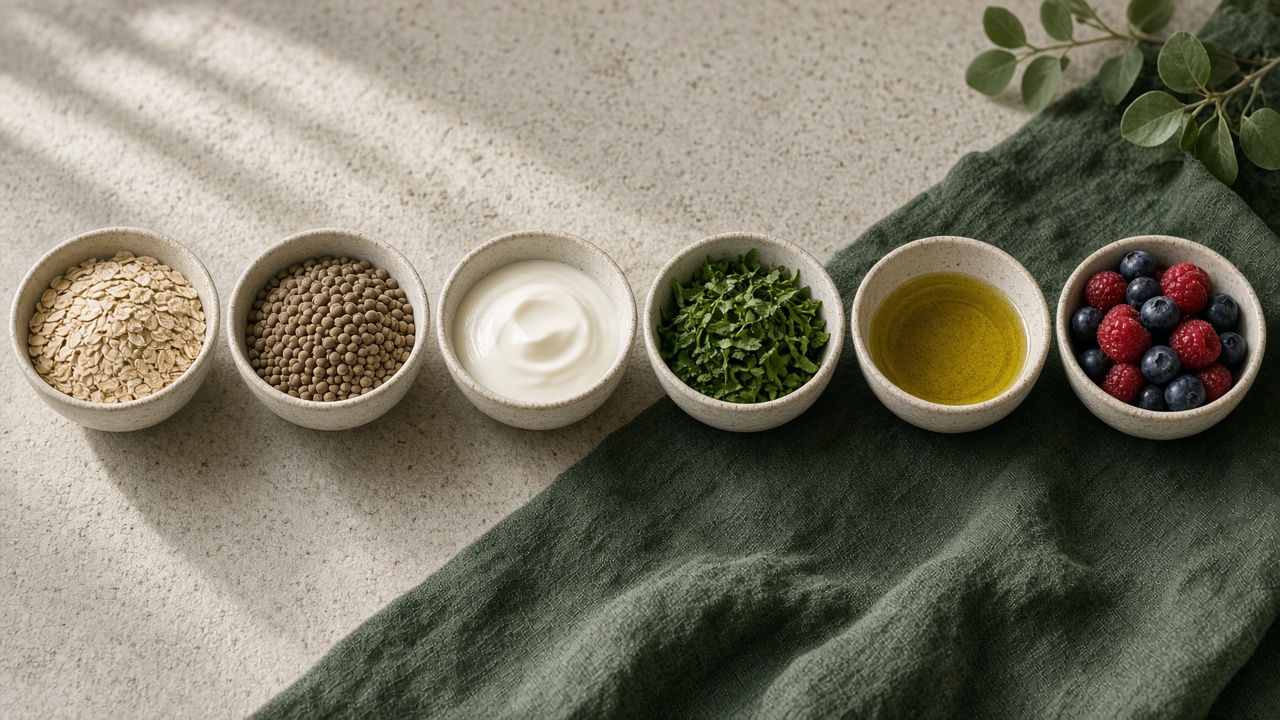
A practical scheme
A palm without the fingers is about a portion of fish or meat in area and thickness. A fist is a guide for cooked grain or vegetables. A thumb is about a tablespoon of oil, nut butter, or hard cheese, and even that differs between people. A handful of nuts is your handful. Weigh it once at home.
Two palms of meat and two fists of rice are no longer “an ordinary lunch from the plate picture,” if the picture assumed one. The hand method and the plate method argue usefully: if both say “a lot,” it is a lot.
Where the hand lies
Grated cheese, oil in the pan, dressing on a salad, nuts from the jar one by one. The hand barely sees them. In a restaurant you can ask for sauce on the side. In the diary it is more honest to write “there was sauce” than to draw perfect quarters.
What this text draws on
- USDA and HHS: Dietary Guidelines for Americans (periodic editions).
- MyPlate (USDA) — balanced plate: vegetables, fruits, grains, protein, dairy.
- USDA FoodData Central — per-100 g guides (brands differ).
A short paraphrase of open guides and reviews (WHO, national recommendations, peer‑reviewed summaries). Not a quotation and not a treatment protocol.
Short answers
How many grams are in a palm?
Often 80–120 g of cooked meat or fish, and that corridor is too wide to treat as exact. For dense fats the hand is weak.
