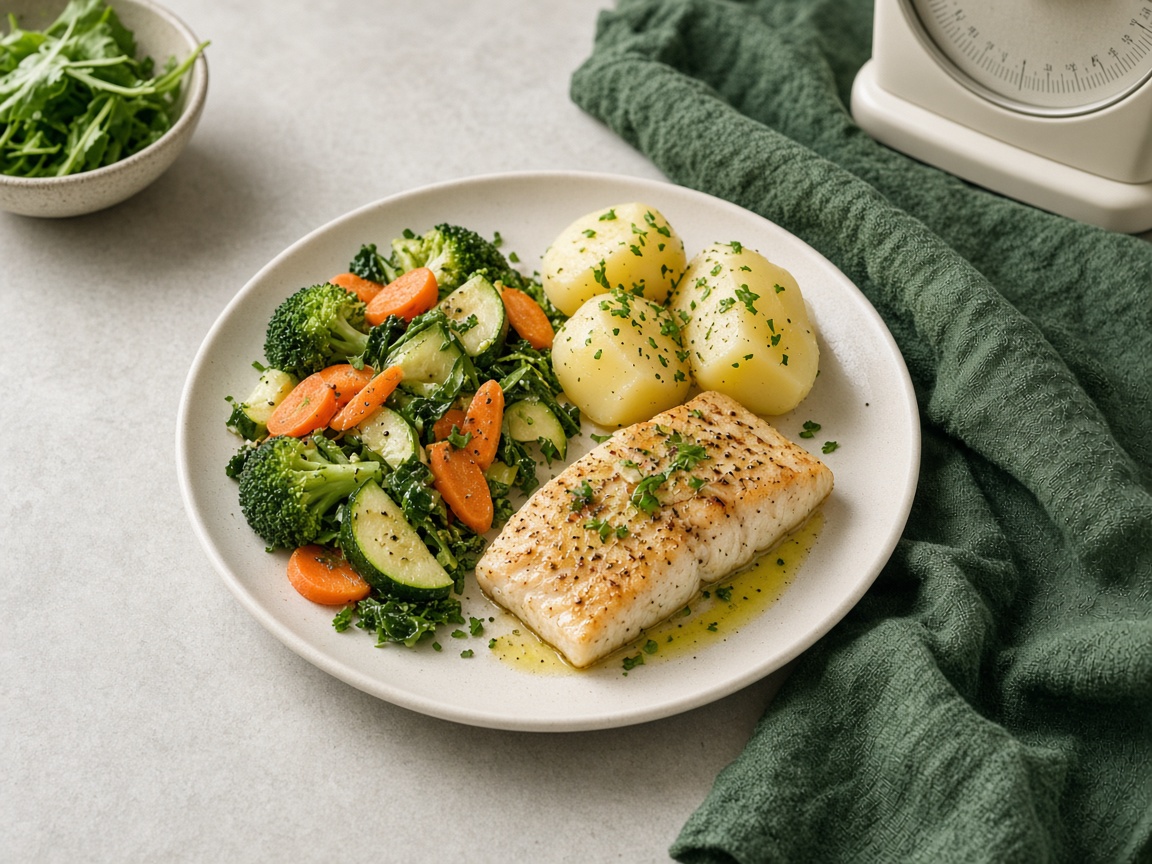
Pace of loss, NIH framing
CDC and NIDDK describe steady loss as about 0.5–1 lb (0.2–0.5 kg) per week on a moderate deficit — not a daily drop on the scale.
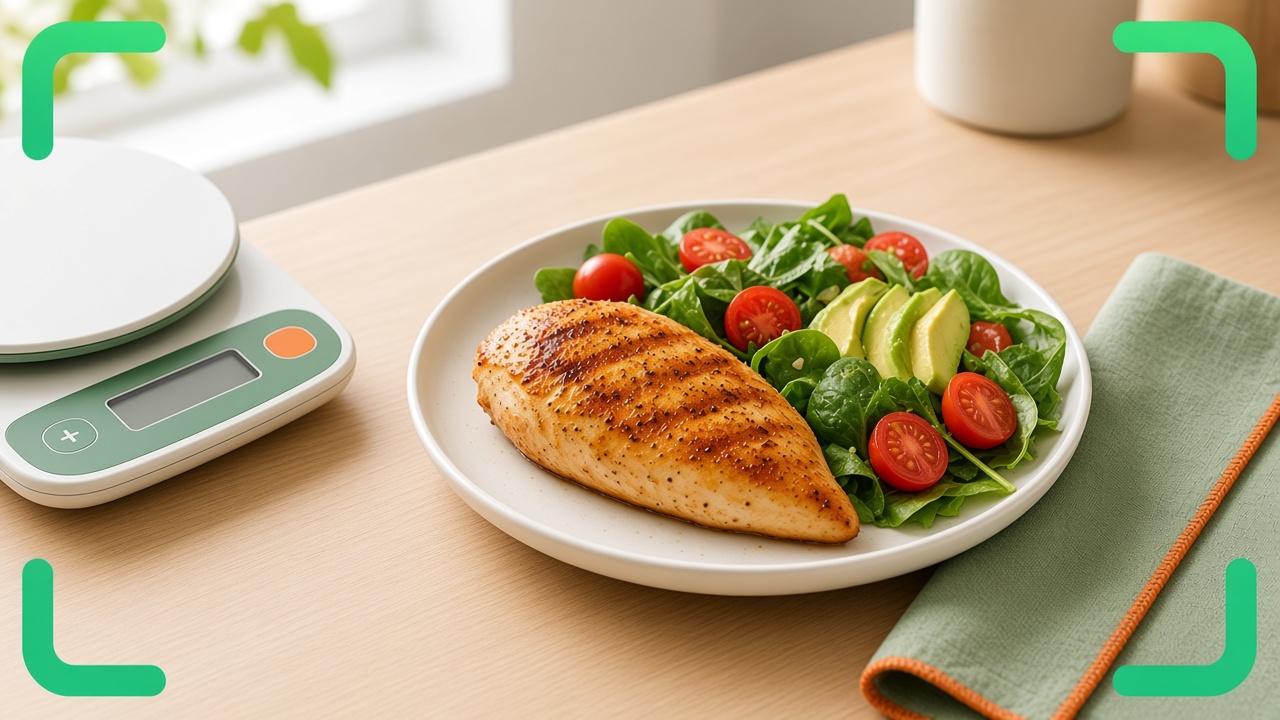
What the guides say
NIH weight-loss materials stress gradual change: the body sheds fat more slowly than water and glycogen in the first days. The “about a pound a week” line is a group average, not a personal promise.
Compared with ScanDish paces, the usual minus 400 kcal often lands in this band on an honest log. If body weight is higher, the same deficit may show a louder water drop in week one — that is not “fast fat.”
Practice in a diary
Watch a 7–14 day average, not the morning after a salty dinner. Tightening “until victory” more often breaks the week than speeds fat loss.
Pregnancy, adolescents, and acute illness are not audiences for self-directed diets; a clinician sets the target, not an article.
What this text draws on
- NIH NIDDK: Healthy Weight, Nutrition, and Physical Activity — deficit, maintenance, habits.
- CDC: Losing Weight — pace and behavior steps (not a medical protocol).
A short paraphrase of open guides and reviews (WHO, national recommendations, peer‑reviewed summaries). Not a quotation and not a treatment protocol.
Short answers
Can it be faster than a pound?
Sometimes at high weight with medical oversight. Chasing 2 kg a week on your own is usually not sustainable.