Raw weight and cooked weight
Grain soaks up water and gets heavier. Meat loses water and becomes more caloric per 100 g once cooked. Mixing up the two weights is a common reason “I eat little and the weight holds.”
Grain and pasta
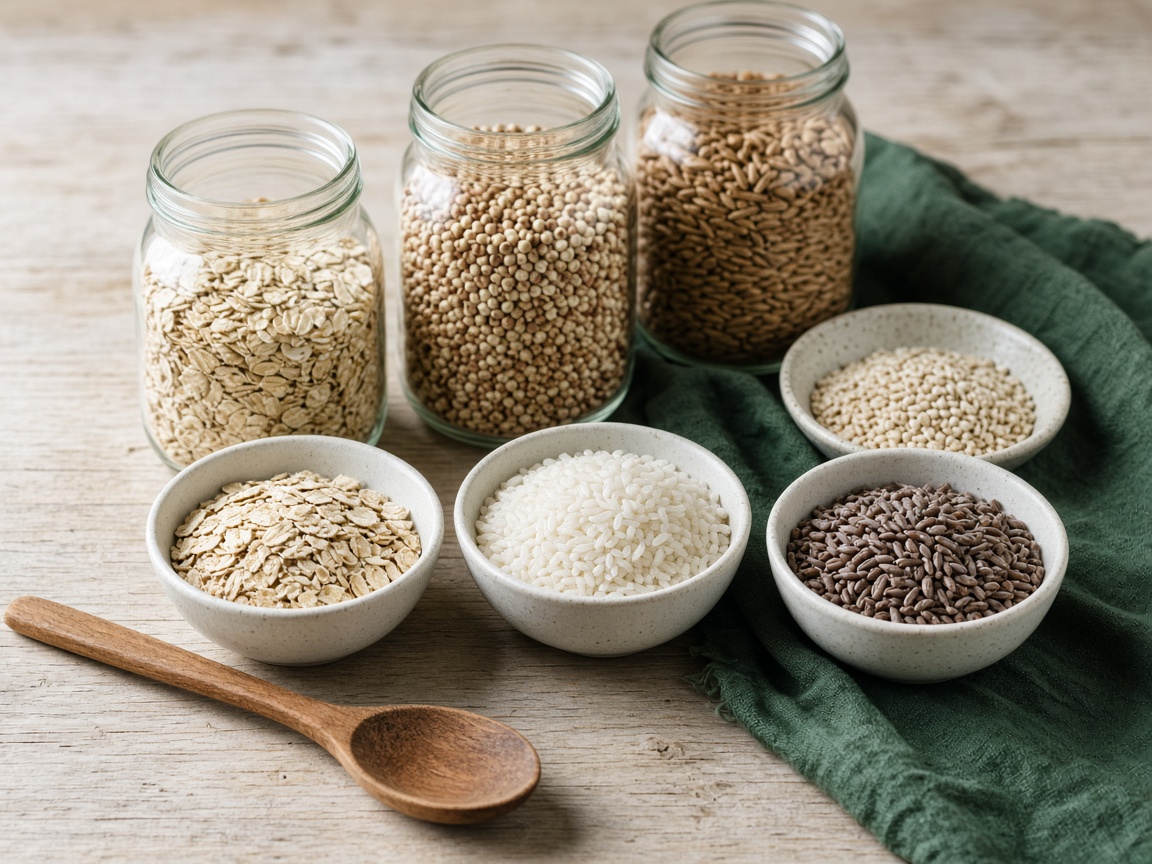
Dry buckwheat is about 340 kcal per 100 g. Cooked it is often about 100–120, because there is more water. If you logged 200 g cooked as if it were dry, the day is inflated nearly threefold. If you logged 80 g dry as if it were porridge, the day is too low.
A reliable home method: weigh the dry grain for the whole pot, calculate the dry calories, divide by the number of cooked portions. Water adds no calories. Oil added to the pot does, and it is divided the same way.
Meat, vegetables, vegetables in oil
One hundred grams of raw breast and 100 g of fried breast are not the same portion. Fried meat is lighter because water left, and the calories of the piece are almost the same if there was no oil. The piece absorbs some of the pan oil, and some stays in the pan. It is simpler to add the spoons of oil to the whole recipe.
Vegetables in a soup barely change the soup’s calories. Cheese and sausage in the same soup do. Fries are potato plus oil they absorbed. A table for boiled potato is not enough for them.
What this text draws on
- USDA FoodData Central — per-100 g guides (brands differ).
A short paraphrase of open guides and reviews (WHO, national recommendations, peer‑reviewed summaries). Not a quotation and not a treatment protocol.
Short answers
How do you tell the bot?
Name the state: “buckwheat, cooked, 180 g” or “buckwheat, dry, 80 g.” One number without a state is ambiguous.