A detox is not in the fact sheet
The WHO fact sheet and the Dietary Guidelines describe an ordinary pattern of food across repeating days, not a cleansing course under the name detox. A protocol that removes special substances by a named percent is not in these texts.

What is on the sheet instead of a course
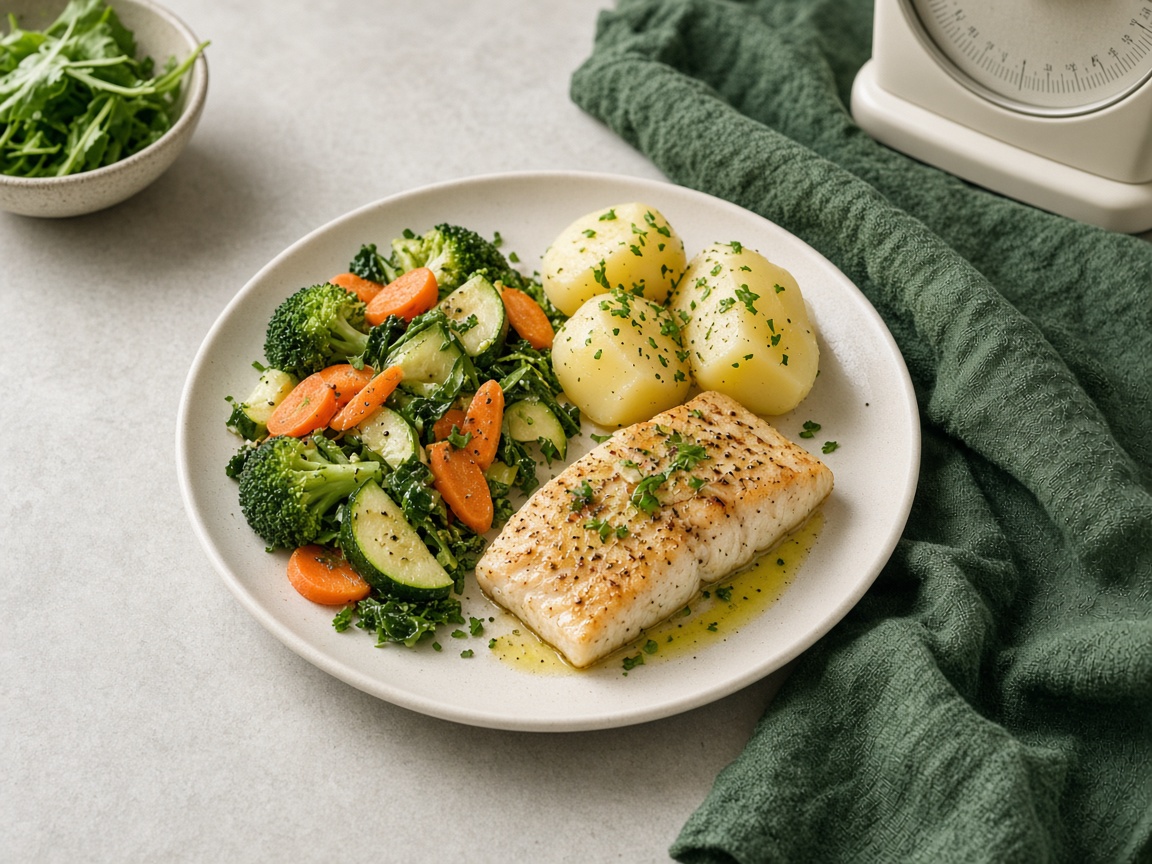
The healthy-diet fact sheet speaks of energy balance, of fruit and vegetables of at least 400 g a day, of free sugars under 10% of energy, and of further benefit below 5%. Fat is under 30%, saturated fat under 10%, trans fat under 1%, salt under 5 g. A preference for unsaturated fats from fish, avocado, nuts, and vegetable oils is part of that same ordinary day. None of these lines is named a cleanse.
The fiber guideline asks for at least 25 g a day for adults, from food. Food here means vegetables, fruit, whole grains, and beans, not a pause in eating. MyPlate builds half the plate from fruit and vegetables, makes half of grains whole, and asks for varied protein foods. Nutrient density, culture, and budget are the language of an ordinary diet; A short reset does not replace that language.
Why a break built on a drink is not read from the sheet
If the foods from which fiber is taken are removed from the day, the 25 g line is not met. If protein foods and whole grains are removed, the MyPlate pattern is not met. The fact sheet does not suggest replacing the plate with a drink and does not give that drink a special status. The day’s energy is still set against expenditure; A drink, if it is drunk, enters the day as a drink.
Free sugars are counted as a share of energy, so a sweet juice does not fall out of the talk about 10% and 5% because of the word natural. The sheet has no such exception. Salt, fat, and vegetables are counted from what a person eats on ordinary days. This article does not assign the length of a cleansing course and does not name substances it supposedly removes: the sheet does not describe that.
What the guides suggest repeating
The pattern meant to be repeated is fruit and vegetables, whole grains, varied protein foods, low-fat or fat-free dairy or fortified soy, and less added sugar, saturated fat, and sodium. Sodium in the American guidance is under 2,300 mg a day. Alcohol is described separately: drinking less is better than drinking more, and not drinking is an option. These rules have no stage of “cleanse, then live as before.”
The CDC weight page asks for specific goals, two or three, such as water instead of a sugary drink, a 15-minute walk, and a vegetable with supper. The pace, when the talk is about loss, is about 1 to 2 pounds a week, and a loss of 20 pounds in 2 weeks is named an unrealistic goal. A harsh short lunge is closer in shape to that unrealistic example than to these steps. This article does not equate every talk of cleansing with 20 pounds: a cleansing course is not on the pages, and a step that can be kept is.
Care without homemade biochemistry
The fact sheet does not define the word toxin as an object of diet, and this article does not give it a homemade definition. The liver, the kidneys, and medicines are not treated by a retelling of diet. If a person is already ill, takes medicines, or is thinking of hunger as a procedure, the conversation goes to a clinician. CDC sends weight and medicine questions to a clinician, and names medicines and bariatric surgery as clinical options, not as do-it-yourself work.
A record of ordinary days shows food and drinks with no separate cleansing column. A setback is expected, and the reward is not food. A bot can log juice as a drink and lunch as lunch. It does not switch on a cleansing mode and does not promise the removal of substances that are not on the fact sheet.
What this text draws on
- WHO Healthy diet fact sheet: energy intake in balance with expenditure; fruit and vegetables ≥400 g/day; free sugars <10% of energy (below 5% for further benefit); fat <30%; saturated fat <10%; trans fat <1%; salt <5 g/day; unsaturated fats (fish, avocado, nuts, vegetable oils) preferred to saturated and industrial trans fats.
- WHO carbohydrate guideline, 2023: at least 25 g of fiber a day for adults, from food.
- Dietary Guidelines for Americans, 2020–2025, and USDA MyPlate: a nutrient-dense pattern shaped by culture and budget; added sugars <10% of calories from age 2; saturated fat <10%; sodium <2,300 mg/day; half the plate fruits and vegetables; half of grains whole; varied protein foods; low-fat or fat-free dairy or fortified soy. Drinking less is better than drinking more; not drinking is an option.
- CDC, Steps for Losing Weight (January 17, 2025): a gradual pace of about 1 to 2 pounds a week is more likely to be kept than quicker loss; losing 20 pounds in 2 weeks is the example of an unrealistic goal. Modest loss, CDC’s example: 5% of 200 pounds is 10 pounds, can improve blood pressure, cholesterol, and blood sugar and could lower risk of heart disease, prediabetes, and type 2 diabetes — not a personal guarantee. Log food and drinks, activity, sleep, and stress. Goals are specific, two or three at a time; examples include water instead of a sugary drink, a 15-minute walk, a vegetable with supper. Setbacks are expected. Rewards are not food. Medicines, illness, stress, genes, hormones, environment, and age affect weight. Weight and medicine questions go to a clinician. Medicines and bariatric surgery are clinical options, not DIY.
A short paraphrase of open guides and reviews (WHO, national recommendations, peer‑reviewed summaries). Not a quotation and not a treatment protocol.
Short answers
Is a detox described in the WHO fact sheet?
No. The sheet describes an ordinary diet: energy balance, fruit and vegetables from 400 g, shares of sugar and fat, salt under 5 g, a preference for unsaturated fats. A cleansing course is not in this retelling.
Does a drink instead of food meet 25 g of fiber?
Fiber in the WHO guideline comes from food, at least 25 g a day for adults. A pause in eating does not meet that line. This article does not assign the length or the contents of a cleansing course, because the sheets do not describe them.