One in three women and one in four men
The WHO fact sheet writes that worldwide about one in three women and one in four men do not do enough activity. Enough means at least 150 moderate minutes or 75 vigorous minutes a week. A share does not grade a person.

Which other female and male shares sit beside that
In 2016, among adults aged 18 and over, 28 percent were insufficiently active: men 23, women 32. In high-income countries: men 26, women 35. In low-income countries: men 12, women 24. In all of these cuts the female share is higher than the male share. The fact sheet shows this and does not attach a moral.
Adolescents aged 11–17 in the same 2016: 81 percent insufficiently active, girls 85, boys 78. For adolescents, “insufficient” is not reaching 60 minutes a day of moderate or vigorous activity, not the adult week. This page will not carry the adolescent share into the calories of a girl’s plate.
What is not an explanation from the text
The fact sheet ties the drop in movement to leisure, to sedentary work and home, and to passive transport. It says that in high-income countries insufficient activity is about twice as high as in low-income countries, and that since 2001 the global level has not improved. The words “women are lazier” are not in these paragraphs.
The 20 to 30 percent difference in the risk of death refers to people who are insufficiently active versus people who are sufficiently active, not to women versus men. Swapping one comparison for the other would spoil the paraphrase.
A woman’s week is counted in the same minutes
The range of 150–300 moderate or 75–150 vigorous minutes, two strength days, and from age 65 an extra three days of balance, are wordings for adults in general. The guideline does not introduce a separate “woman’s minute.” Pregnancy is another paragraph: 150 moderate minutes if there is no contraindication, and a contraindication is a clinician’s decision.
The CDC body mass index for adults aged 20 and over has the same cutoffs for men and women. That does not cancel the sentence that at the same index women on average have more total fat. The activity share and the index cutoff are different pages, and the text does not ask anyone to mix “women move less” into “women need a different plate.”
A share does not edit supper
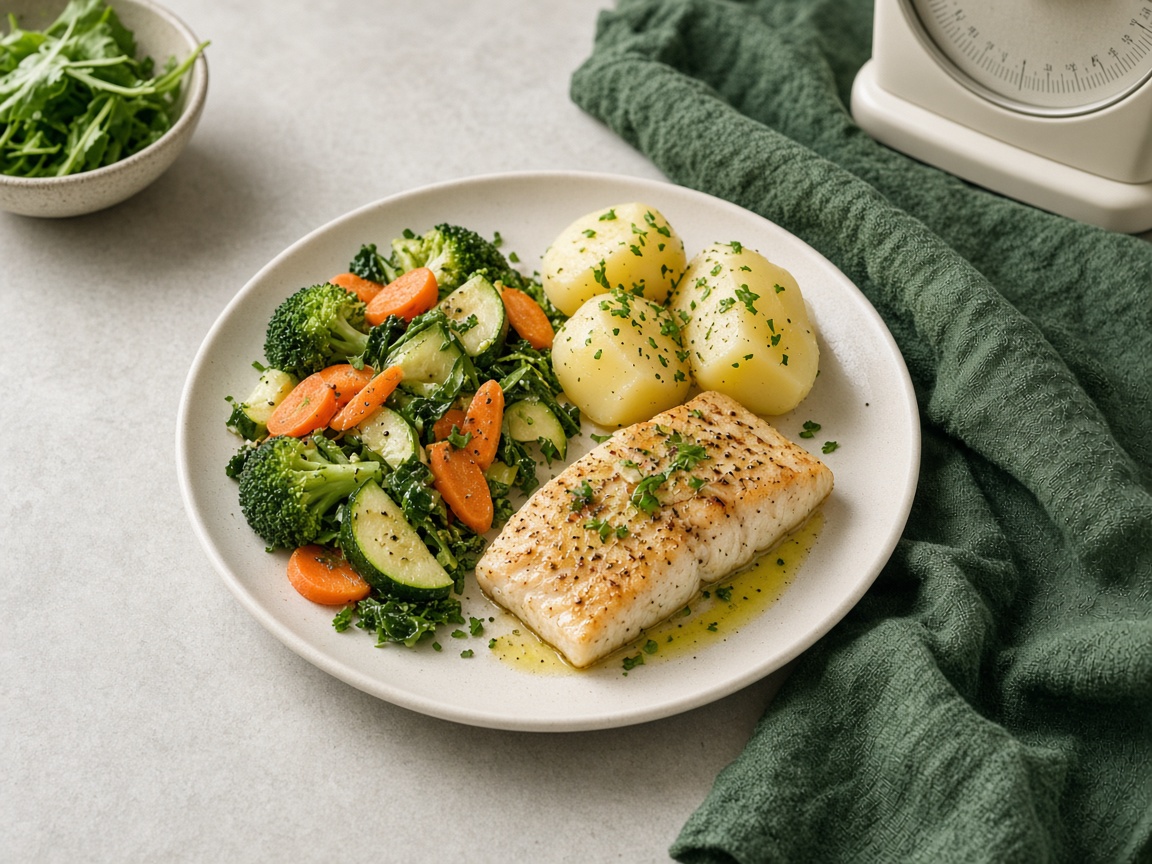
32 percent is not divided into calories. A photo of a plate in ScanDish does not know sex as a medical category and does not set different calories from this share alone. A draft confirms food after the meal and the day are confirmed.
One’s own week is visible in minutes and in strength days. A world share explains the scale. It does not replace a record and does not assign shame.
What this text draws on
- WHO fact sheet, global levels: more than a quarter of adults (1.4 billion) are insufficiently active; about one in three women and one in four men. In high-income countries inactivity is about twice as high as in low-income countries. There has been no improvement in the global level since 2001; in high-income countries insufficient activity rose by 5 percentage points, from 31.6% to 36.8%, between 2001 and 2016. In 2016, 28% of adults aged 18 and over were insufficiently active (men 23%, women 32%). High-income countries: men 26%, women 35%; low-income: men 12%, women 24%. Adolescents aged 11–17 in 2016: 81% insufficiently active, girls 85%, boys 78%.
- WHO Guidelines on physical activity and sedentary behaviour, 2020: adults 18–64 should do at least 150–300 minutes of moderate aerobic activity a week, or 75–150 minutes of vigorous activity, or an equivalent combination across the week, plus muscle-strengthening at moderate or greater intensity for all major muscle groups on two or more days. For additional benefit, moderate activity may go above 300 minutes, or vigorous activity above 150 minutes, or a combination.
A short paraphrase of open guides and reviews (WHO, national recommendations, peer‑reviewed summaries). Not a quotation and not a treatment protocol.
Short answers
Do women need more minutes than men?
No. The adult range is one range. The fact sheet shows that the share of women who are insufficiently active is higher, not that the minute target is different.
Is this about character?
No. The text speaks of shares and of setting: leisure, sedentary work and home, passive transport, a gap by country income. There is no grade of character.