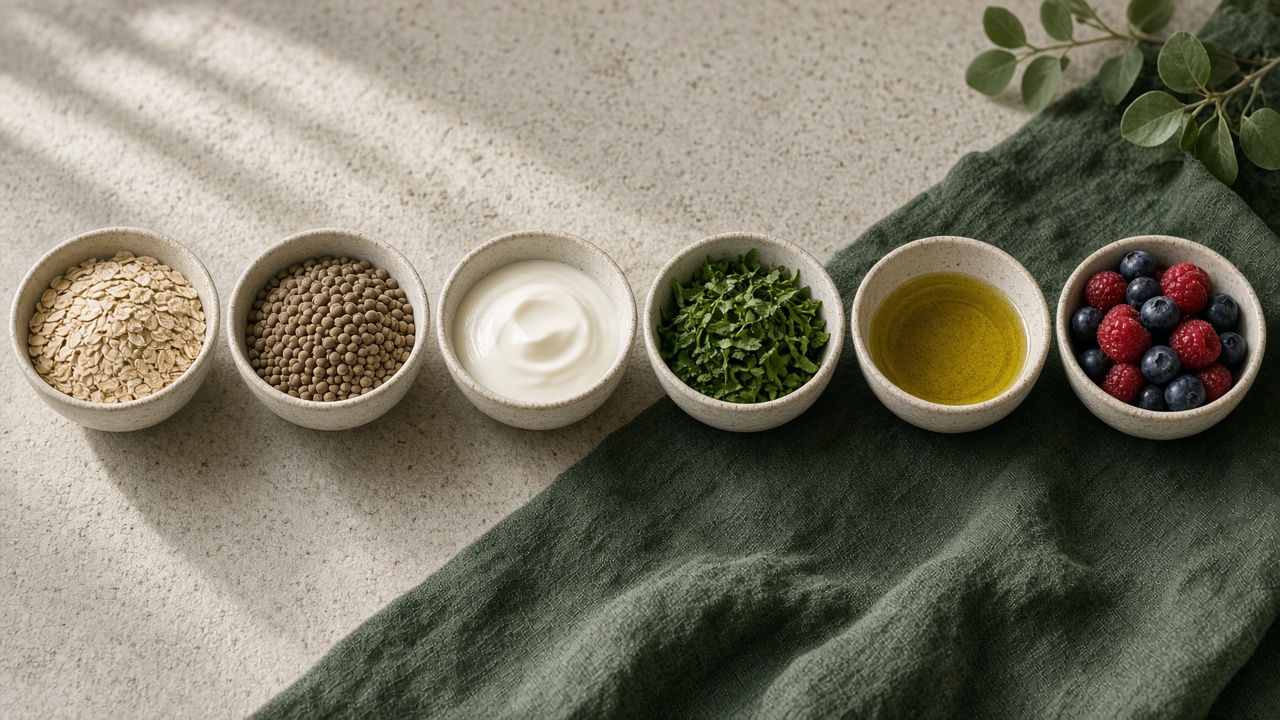
A photo is a memory of the plate, not a laboratory scale
A picture is there as a memory of the plate: what was on it, whether there was sauce, whether the drink made the frame. It does not measure grams by itself. The number ScanDish shows from a photo stays a draft until the person confirms the meal — chooses the slot and the day. That is a product rule, not a scientific check of the estimate.
What the frame remembers
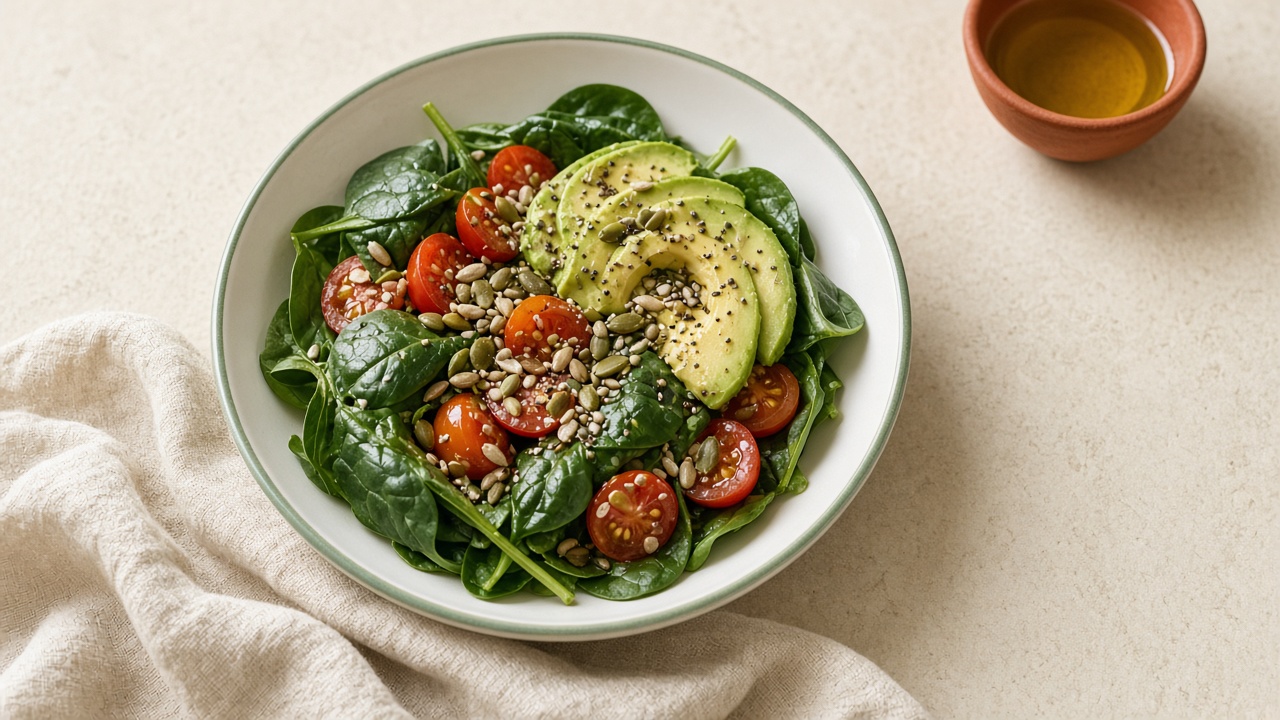
A day later the word “dinner” no longer holds the oil, the bread, and the glass. The frame does. From it you build the line a diary can read: food, amount, drink, oil or sauce. The person adds the amount — from a kitchen scale, a spoon, or a bowl — while looking at what they recognize in the picture.
The frame helps when the whole plate is visible and the sauce was not wiped off before the shot. The drink is either beside the plate or written on the line. A dark table is harder than a bright one, but an honest frame with the sauce is more useful than an empty plate photographed after the meal. That is how memory works, not a laboratory method.
What the picture does not measure
A photo does not measure grams. The shine of oil reminds you that oil was there, and it does not say how much until that is written separately. Cheese, nuts, and dressing in a picture with no amount stay a reminder. Their weight appears when a person names it.
This page has no accuracy percent for a photo estimate, and it does not assign one. A picture is not a measurement, so a percent has nothing to stand on. A scale measures the portion you put on it. A picture helps you not forget that the portion existed.
The number the bot shows
ScanDish can show a number from a photo. Until the person chooses the meal slot and the day, it is a draft. Confirming — choosing the slot and the day — puts the accepted line in the diary. It is not an experiment that checks the draft against a laboratory scale, and it does not turn an estimate into a measurement.
Before the slot and the day are chosen, you can correct the amount, the drink, and the oil in text if the frame did not hold them. The few days in CDC’s step 2 are where a confirmed line belongs: a product draft does not count as the record. The weekly review also counts meals the person saved.
The frame beside the plan
At the review the frame answers what repeated and what fell out of the line: sauce, a second piece, a drink. It does not answer whether weight changed. Weight needs a run of mornings. One morning after salt is water, salt changes the next morning, and a picture of the plate neither cancels that water nor confirms it.
Wanting, because of a photo, to make tomorrow harsher on the spot is no longer using memory. A setback is expected, you return to the plan, and at the review you change one part that is not working. A question about weight or a medicine goes to a clinician with the record, not with another week of tighter rules.
What this text draws on
- CDC, Steps for Losing Weight (January 17, 2025): step 2, for a few days write down everything you eat and drink, physical activity (what, when, how long), hours of sleep, and stress. Step 3, two or three specific realistic goals; examples include water instead of a sugary drink, a 15-minute walk, a vegetable with supper; “lose 20 pounds in 2 weeks” is unrealistic. Setbacks are expected; return to the plan. Step 5, review progress regularly and change the parts that are not working. Rewards should not be food: flowers, an outing, a bath. Talk with a clinician about weight or medicines.
- ScanDish: a number from a photo stays a draft until the person chooses the meal slot and the day. That is a product rule, not a scientific check of the estimate.
A short paraphrase of open guides and reviews (WHO, national recommendations, peer‑reviewed summaries). Not a quotation and not a treatment protocol.
Short answers
How accurate is an estimate from a photo?
The page does not give a percent and should not invent one. A photo does not measure grams by itself. The bot’s number is a draft until you choose the meal and the day. That is how the product works. It is not a scientific check of the estimate.
Weigh, or take a picture?
A scale gives the grams of the portion you put on it. A picture reminds you of the plate. The line still needs the food, the amount, the drink, and the oil or sauce.