The amount, not only the name
A line that holds only the name of a dish resembles a menu, not a record. CDC asks you to see what was eaten and drunk, and composition tables and the label make sense only when a measure is attached to the name: grams, a serving, or words that identify that portion.
A menu is not yet a diary
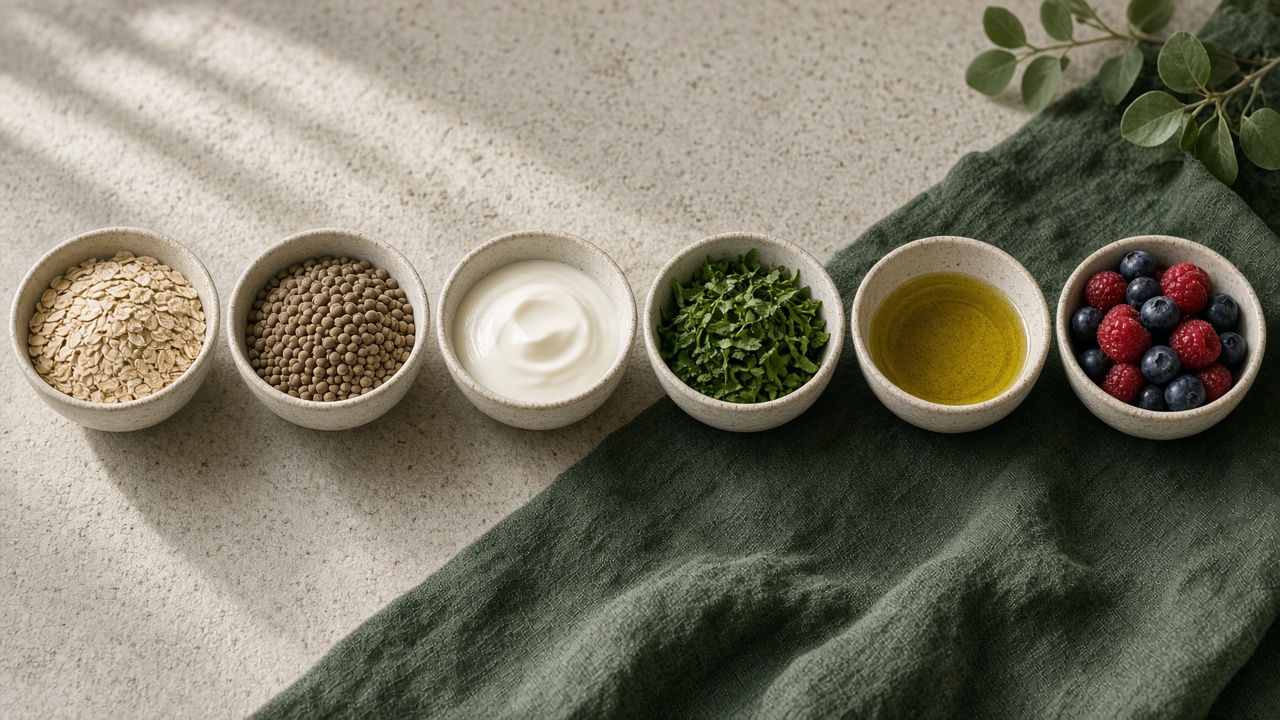
“Buckwheat,” “chicken,” and “soup” name the food and stay silent about how much there was. Two bowls and half a bowl become the same word in a week’s review, and the pattern disappears. A useful line holds both pieces: what it was and what the measure was.
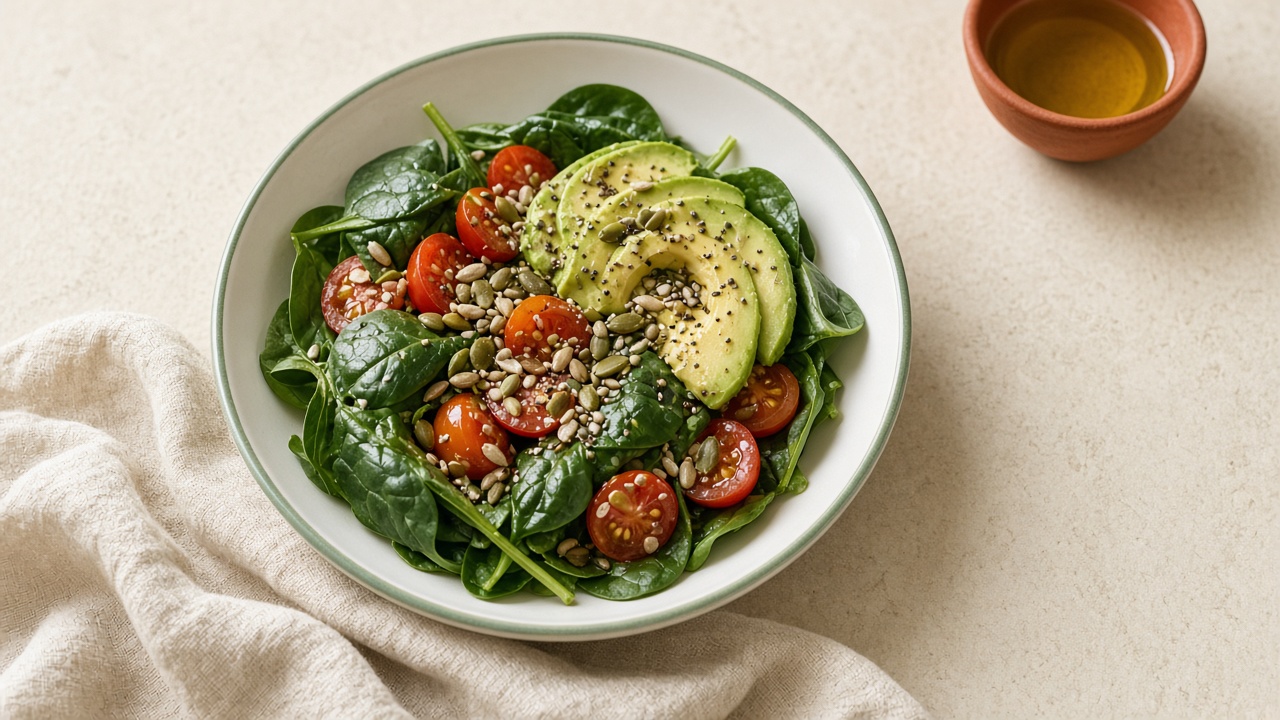
A photograph of the plate does not contain the measure. It can remind you what sat beside the food, including oil and a drink, but grams do not emerge from the frame. Until a person names the amount, the line remains a name, however clear the picture was.
A hundred grams in the table
USDA FoodData Central gives guides per 100 g, and brands differ. A row per 100 g helps only when the weight of your own portion is known; otherwise there is nothing to apply the table to. A dry food in the reference is not a cooked portion, because water changes the weight.
This article does not use a factor such as “porridge triples”: that factor is not in the table’s rule. If rice was cooked, write the measure you ate in the cooked form, or say plainly that the weight is unknown. Invented grams look more precise than the words “a full bowl” and describe the plate less well.
The label and the pack
On packaged food, the energy on Nutrition Facts is stated per labeled serving, and a package can contain several servings. A labeled serving is not always 100 g, so it cannot be dropped into a per-100 g reference row without converting. If the pack was eaten, the diary gets the pack, not one printed serving.
The brand on the label is closer to that pack than a generic row in the reference. The reference remains a guide when there is no label. Both sources stay silent until the person says how many packs, or how many labeled servings, actually went into that day.
When there is no measure
If there was no scale, write the amount in words that identify the portion: a bowl, a half, two spoons, a glass. CDC needs a visible day, not laboratory precision for every leaf. A word that carries a measure can already be compared with the next word of the same kind, while a bare name has nothing to be compared with.
A drink follows the same rule. “Juice” without a glass or a pack is as empty as “dinner” without a bowl. Questions about how medicines or illness change weight are not settled by this measure: they go to a clinician, and a longer dish name does not close them.
What this text draws on
- USDA FoodData Central: guides per 100 g; brands differ. A dry-food row is not a cooked portion, because water changes the weight. Do not use a “rice triples” factor.
- FDA Nutrition Facts: energy is stated per labeled serving; a package can contain several servings. A labeled serving is not always 100 g.
- CDC, Steps for Losing Weight (January 17, 2025): a gradual pace of about 1 to 2 pounds a week is more likely to be kept than quicker loss; losing 20 pounds in 2 weeks is the example of an unrealistic goal. Modest loss, CDC’s example: 5% of 200 pounds is 10 pounds, can improve blood pressure, cholesterol, and blood sugar and could lower risk of heart disease, prediabetes, and type 2 diabetes — not a personal guarantee. Log food and drinks, activity, sleep, and stress. Goals are specific, two or three at a time; examples include water instead of a sugary drink, a 15-minute walk, a vegetable with supper. Setbacks are expected. Rewards are not food. Medicines, illness, stress, genes, hormones, environment, and age affect weight. Weight and medicine questions go to a clinician. Medicines and bariatric surgery are clinical options, not DIY.
A short paraphrase of open guides and reviews (WHO, national recommendations, peer‑reviewed summaries). Not a quotation and not a treatment protocol.
Short answers
Is it enough to write “pasta”?
The name needs a measure: grams, a labeled serving, or words such as “a full bowl” and “a spoon of oil.” Without a measure the line stays a menu, and a photograph does not add the grams.
Can you take the energy per 100 g and treat it as your portion?
Only if the portion really was about 100 g. A reference row is a guide per 100 g, a labeled serving is not always 100 g, and a cooked weight is not a dry weight.