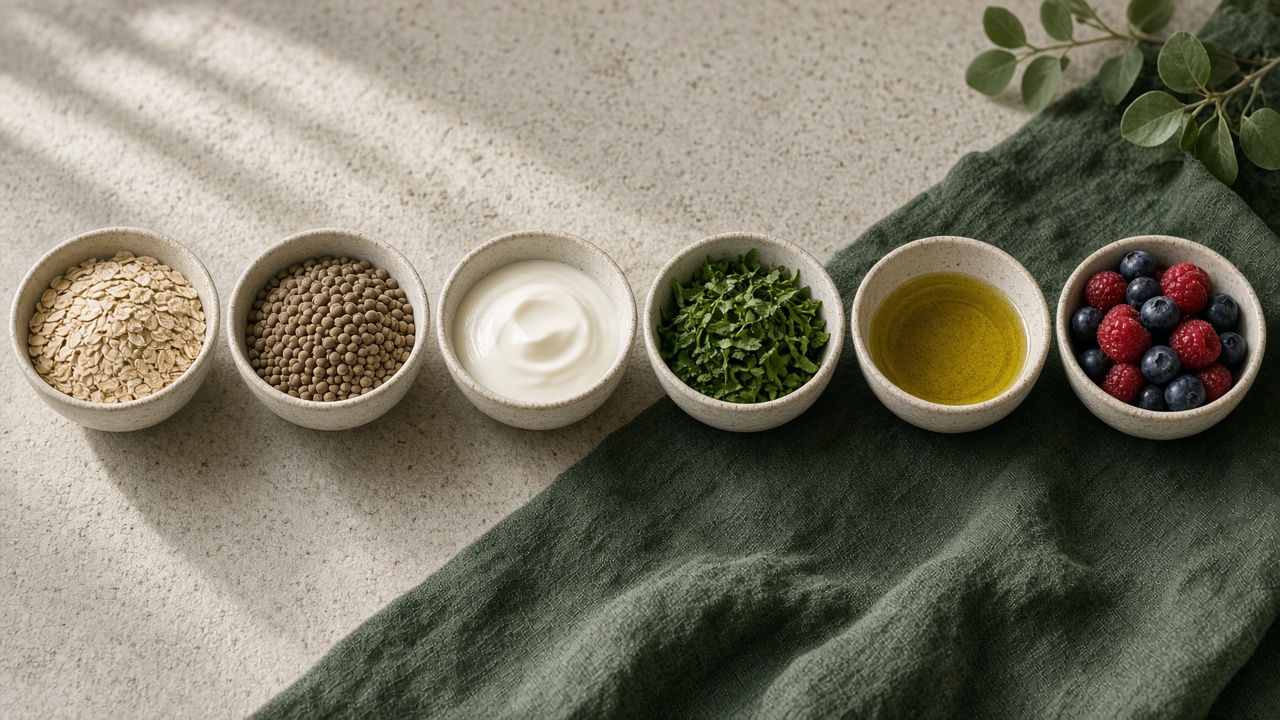
A photo as a reminder
A picture of the plate reminds you what was on it, and by itself it is not grams. In ScanDish a number from a photo stays a draft until the person confirms the meal and the day, and the calorie floors and activity steps in the app are product settings, not WHO or CDC tables.
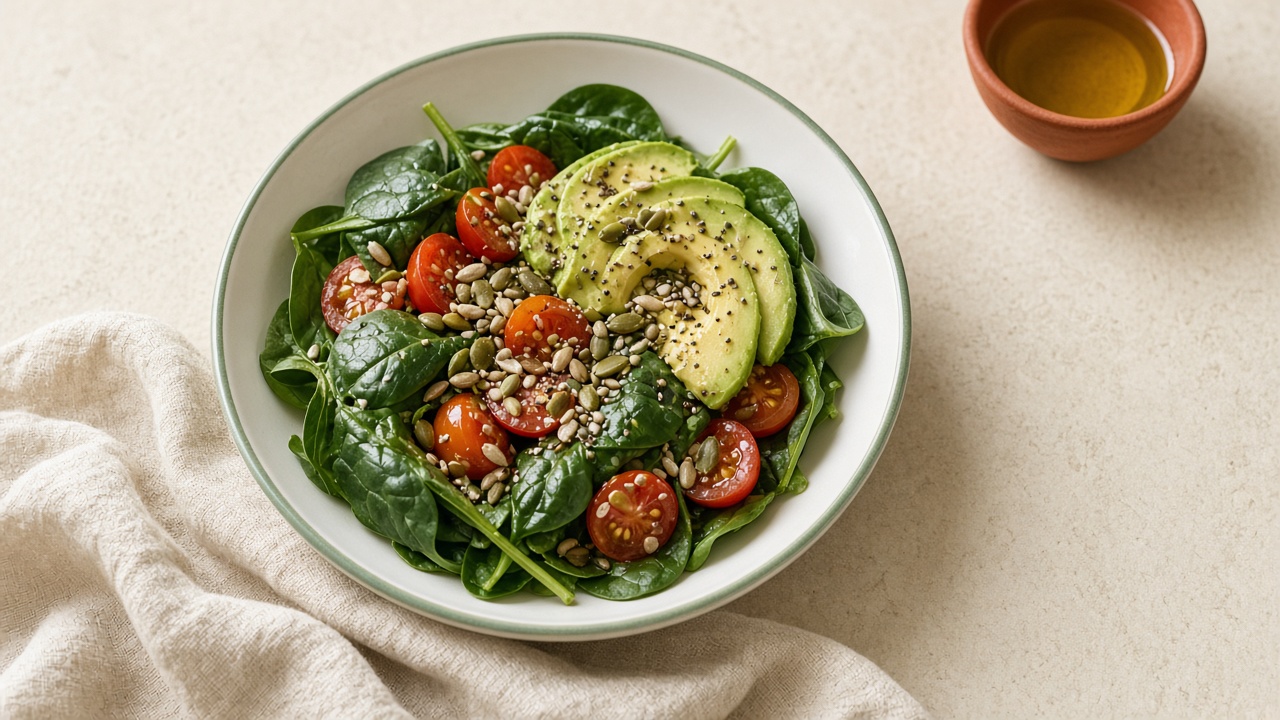
The frame holds the composition, not the weight
A photograph is good at catching what is easy to forget to name: a second spoon of sauce, bread at the edge, a glass. For the record it is a reminder from which the person builds a line. Grams are not written in the frame, and a per-100 g reference has nothing to attach to until the weight is named separately.
A dry row in FoodData Central is not a cooked portion, because water changes the weight, and the picture does not weigh that water. Brands differ. An honest caption of “a bowl” or “a spoon of oil” is closer to the day than a number nobody has confirmed.
A draft until the meal and the day are there
In ScanDish a draft from a photo does not enter the diary as a fact until the person confirms which meal it was and on which day. An unchosen frame can be corrected: add the drink, the oil, a measure in words. A confirmed line is the one that has a composition, a slot, and a date.
Confirmation does not weigh the plate again and does not turn a reminder into a laboratory scale. It means the person accepted the line as their own. CDC still needs a visible day of food and drinks, not a stack of frames without a caption.
What the person confirms
Before confirmation, check what the frame often loses: the drink, oil or sauce as its own measure, the amount in words or grams, and the day if the picture was taken later. A glass does not feel like a plate, so it is written apart from the food. The measure and the date matter just as much, or the frame stays a reminder without a line.
A blank weekend is not repaired by a handsome frame sitting in the phone without a line. A short caption is already better than a hole in the week. If a frame stayed a draft, the setback is expected: the next meal can be photographed and confirmed again, without a penalty day.
Product settings are not a fact sheet
The calorie floor in ScanDish is 1,500 kcal for a male profile and 1,200 kcal for a female profile. The activity steps in the product are 1.2, 1.375, 1.55, and 1.725. These are app settings, not WHO tables and not the CDC page, and a confirmed picture does not turn them into a medical order.
The fact sheet still speaks of balance between intake and expenditure, of vegetables and fruit of at least 400 g a day, and of the shares of sugar, fat, and salt. After confirmation the diary holds the food, the drink, and the measure. Weight and medicine questions stay with a clinician.
What this text draws on
- CDC, Steps for Losing Weight (January 17, 2025): a gradual pace of about 1 to 2 pounds a week is more likely to be kept than quicker loss; losing 20 pounds in 2 weeks is the example of an unrealistic goal. Modest loss, CDC’s example: 5% of 200 pounds is 10 pounds, can improve blood pressure, cholesterol, and blood sugar and could lower risk of heart disease, prediabetes, and type 2 diabetes — not a personal guarantee. Log food and drinks, activity, sleep, and stress. Goals are specific, two or three at a time; examples include water instead of a sugary drink, a 15-minute walk, a vegetable with supper. Setbacks are expected. Rewards are not food. Medicines, illness, stress, genes, hormones, environment, and age affect weight. Weight and medicine questions go to a clinician. Medicines and bariatric surgery are clinical options, not DIY.
- USDA FoodData Central: guides per 100 g; brands differ. A dry-food row is not a cooked portion, because water changes the weight. Do not use a “rice triples” factor.
- WHO Healthy diet fact sheet: energy intake in balance with expenditure; fruit and vegetables ≥400 g/day; free sugars <10% of energy (below 5% for further benefit); fat <30%; saturated fat <10%; trans fat <1%; salt <5 g/day; unsaturated fats (fish, avocado, nuts, vegetable oils) preferred to saturated and industrial trans fats.
A short paraphrase of open guides and reviews (WHO, national recommendations, peer‑reviewed summaries). Not a quotation and not a treatment protocol.
Short answers
Can the picture already count as grams if the whole plate is in the frame?
No. The frame reminds you of the composition. The person names the grams, and in ScanDish a number from a photo stays a draft until the meal and the day are confirmed.
Are the floors of 1,500 and 1,200 kcal a WHO target?
No. They are the floors of the male and female profiles in the product, as are the activity steps 1.2, 1.375, 1.55, and 1.725. They are not in the WHO fact sheet and not on the CDC page.