A homemade DASH on top of pills
The DASH plan is a real pattern, studied for blood pressure, not a fast weight-loss scheme. If blood pressure is already being treated, the sodium choice and any change alongside pills belong to a clinician, not to an article retelling vegetables and grains.
What the plan actually contains
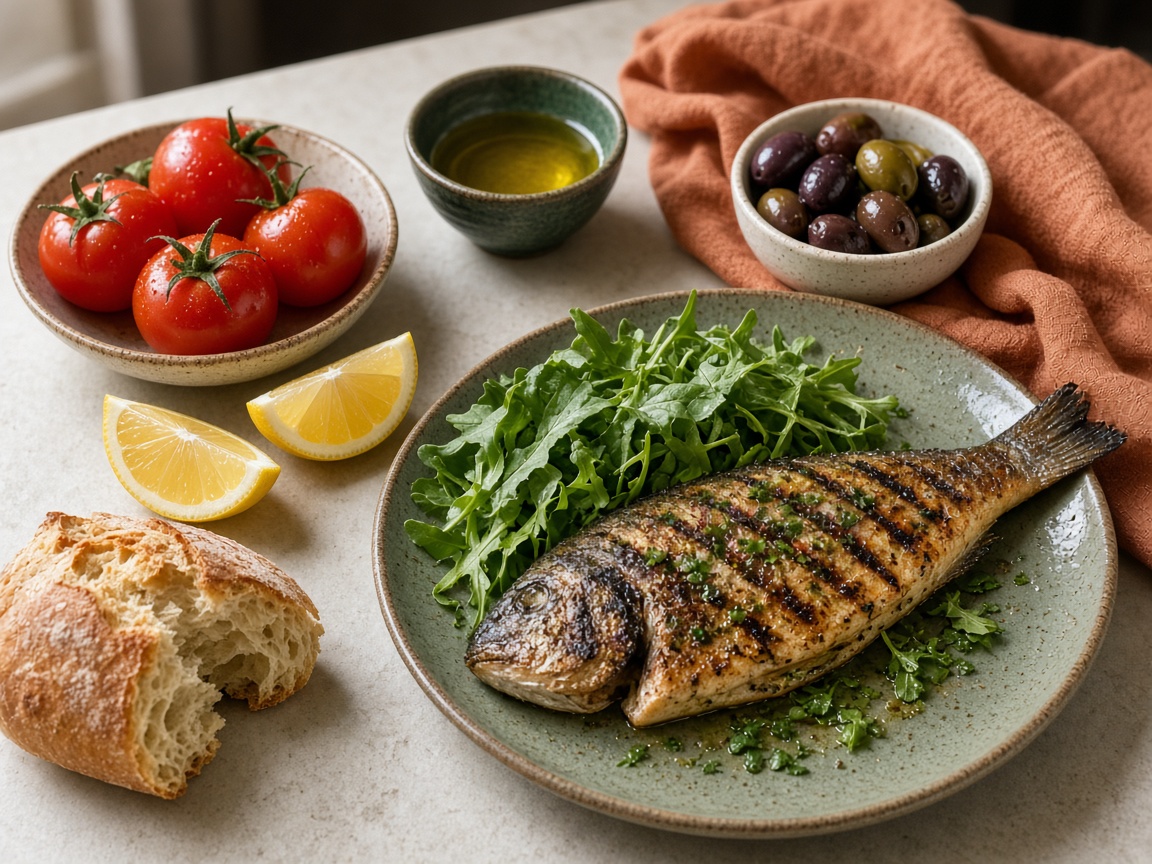
NHLBI describes DASH as vegetables, fruit, whole grains, low-fat dairy, fish, poultry, beans, nuts, and vegetable oils, with less fatty meat, sweets, and sugary drinks. Sodium in the description is 2,300 mg or a 1,500 mg version. It is an eating plan for blood pressure, and permission to eat everything is not hidden inside it.
The trial by Appel and colleagues in NEJM in 1997 compared a pattern higher in vegetables, fruit, and low-fat dairy and lower in saturated fat with a typical American control diet. Blood pressure fell. This page does not give millimeters of mercury, so the retelling does not look like a personal forecast.
2,300 and 1,500 are not chosen from an article
Both sodium levels are named in the plan’s description. For a person whose blood pressure is already being lowered with medicines, the choice between them is not a household one. The article does not know the other drugs, the kidneys, or what the clinician said at the visit. Suggesting “move to 1,500 because it is written that way” would be a new prescription.
WHO’s salt under 5 g a day is a different sentence, about grams of salt, not about milligrams of sodium on a label. This page does not glue the sentences together. A person in treatment does not receive a formula from here for converting one into the other and changing the diet around the clinician. A label still shows sodium per serving, and a package can hold several servings.
The plate does not replace a pill and does not cancel it
CDC sends questions of weight and medicines to a clinician and calls medicines and bariatric surgery clinical options, not do-it-yourself. A homemade DASH started together with stopping a drug on one’s own has nothing to do with the 1997 trial. The trial changed a diet inside a study. It did not advise throwing prescriptions away.
Weight loss, if it is a task at all, goes gradually in the CDC text, about 1 to 2 pounds a week, not as a race. Modest loss can help blood pressure, but the example of 5% of 200 pounds is an illustration, not a promise. DASH does not become a scheme of “minus twenty pounds in two weeks”: CDC calls that kind of goal unrealistic.
What can be discussed without restarting treatment
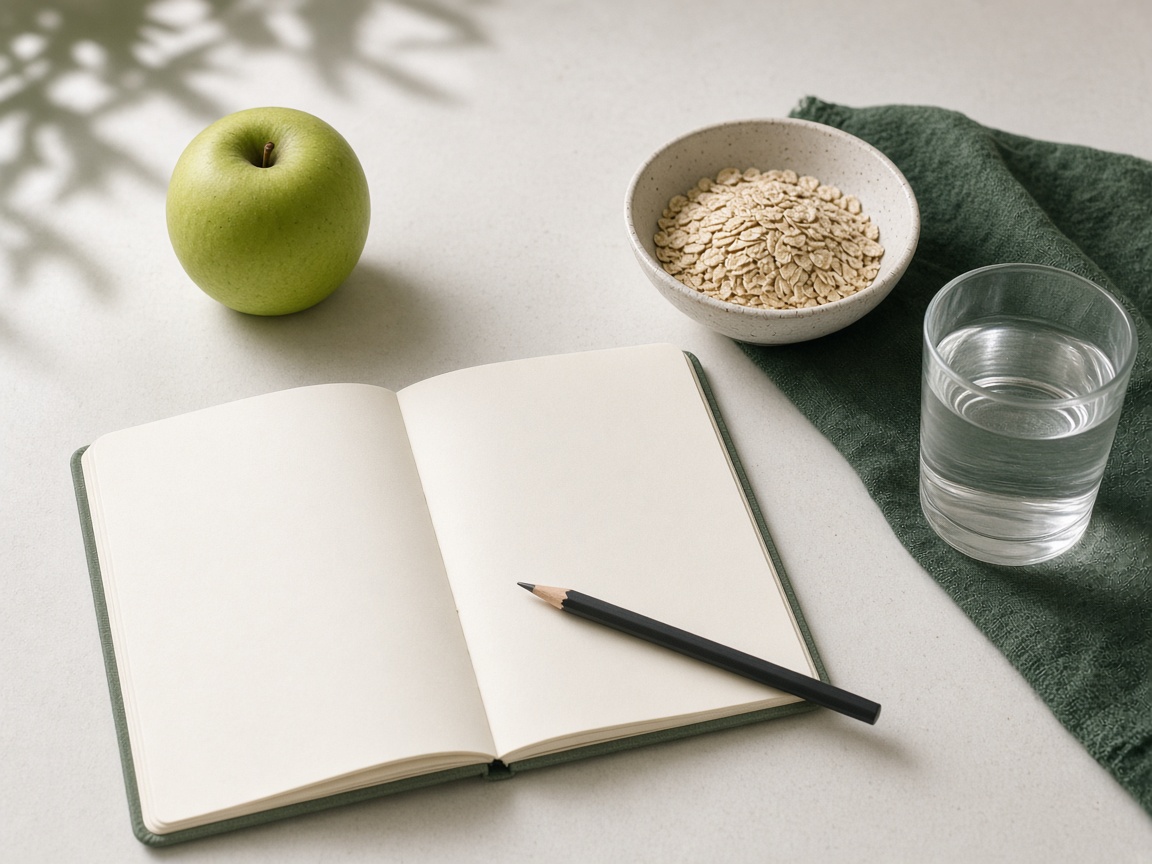
While a clinician is following the blood pressure, ordinary food from the same row — vegetables, fruit, whole grain, fish, beans, fewer sugary drinks — remains food, not a new protocol. Writing down salt and drinks is useful for the conversation at the visit. CDC’s two or three specific goals fit here only as habits that do not argue with a prescription already given.
Pregnancy, adolescents, and kidney disease do not enter this homemade version. Protein at 0.83 g per kg is a population guide for adults, and kidney disease changes it through a clinician. The article does not stack DASH and that figure into a home plan. Chest pain, dizziness, and a sharp worsening are a reason to see a clinician at once, not a reason for the next chapter about grains.
What this text draws on
- NHLBI DASH Eating Plan: vegetables, fruits, whole grains, low-fat dairy, fish, poultry, beans, nuts, vegetable oils; less fatty meat, sweets, and sugary drinks; sodium 2,300 mg or a 1,500 mg version. Studied for blood pressure, not as a crash plan and not as permission to eat everything.
- DASH, Appel et al., NEJM 1997: a pattern higher in vegetables, fruit, and low-fat dairy and lower in saturated fat lowered blood pressure compared with a typical American control diet. Do not give millimeters of mercury.
- CDC, Steps for Losing Weight (January 17, 2025): a gradual pace of about 1 to 2 pounds a week is more likely to be kept than quicker loss; losing 20 pounds in 2 weeks is the example of an unrealistic goal. Modest loss, CDC’s example: 5% of 200 pounds is 10 pounds, can improve blood pressure, cholesterol, and blood sugar and could lower risk of heart disease, prediabetes, and type 2 diabetes — not a personal guarantee. Log food and drinks, activity, sleep, and stress. Goals are specific, two or three at a time; examples include water instead of a sugary drink, a 15-minute walk, a vegetable with supper. Setbacks are expected. Rewards are not food. Medicines, illness, stress, genes, hormones, environment, and age affect weight. Weight and medicine questions go to a clinician. Medicines and bariatric surgery are clinical options, not DIY.
- WHO Healthy diet fact sheet: energy intake in balance with expenditure; fruit and vegetables ≥400 g/day; free sugars <10% of energy (below 5% for further benefit); fat <30%; saturated fat <10%; trans fat <1%; salt <5 g/day; unsaturated fats (fish, avocado, nuts, vegetable oils) preferred to saturated and industrial trans fats.
- FDA Nutrition Facts: energy is stated per labeled serving; a package can contain several servings. A labeled serving is not always 100 g.
A short paraphrase of open guides and reviews (WHO, national recommendations, peer‑reviewed summaries). Not a quotation and not a treatment protocol.
Short answers
Can a person move to 1,500 mg of sodium on their own if pills are already prescribed?
No. During treatment already underway, a clinician makes that choice. The DASH description names both 2,300 and 1,500 mg, but the article does not know the other medicines and does not replace the visit.
Is DASH a fast weight-loss diet?
No. The plan was studied for blood pressure. CDC calls a fast goal such as losing 20 pounds in two weeks unrealistic, and the pace more likely to be kept, if weight is being lost at all, is about 1 to 2 pounds a week.