A one-food diet
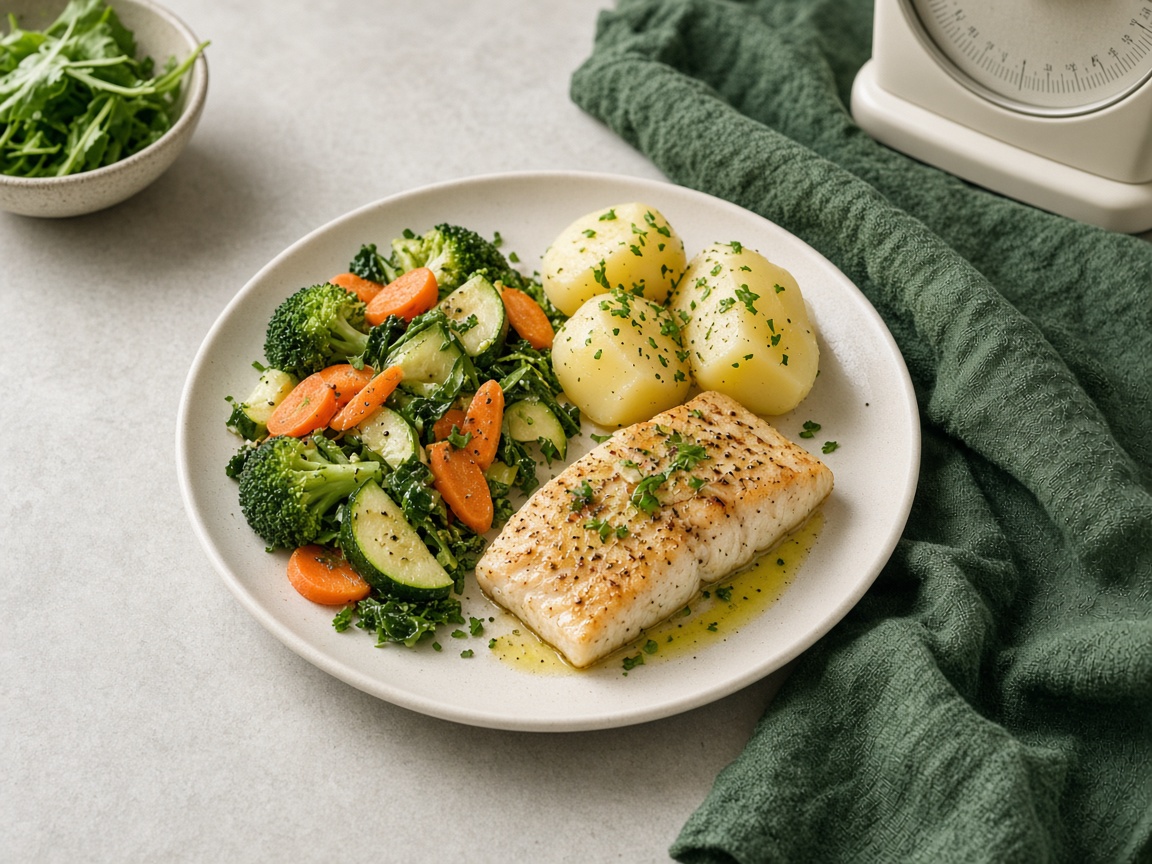
A one-food diet puts cabbage, grapefruit, eggs, or some other single hero at the center and promises that the rest is unnecessary. MyPlate is built the other way: fruits and vegetables, grains, varied protein foods, and the dairy line are meant to show up together, not collapse into one item.
Which groups the plate asks for
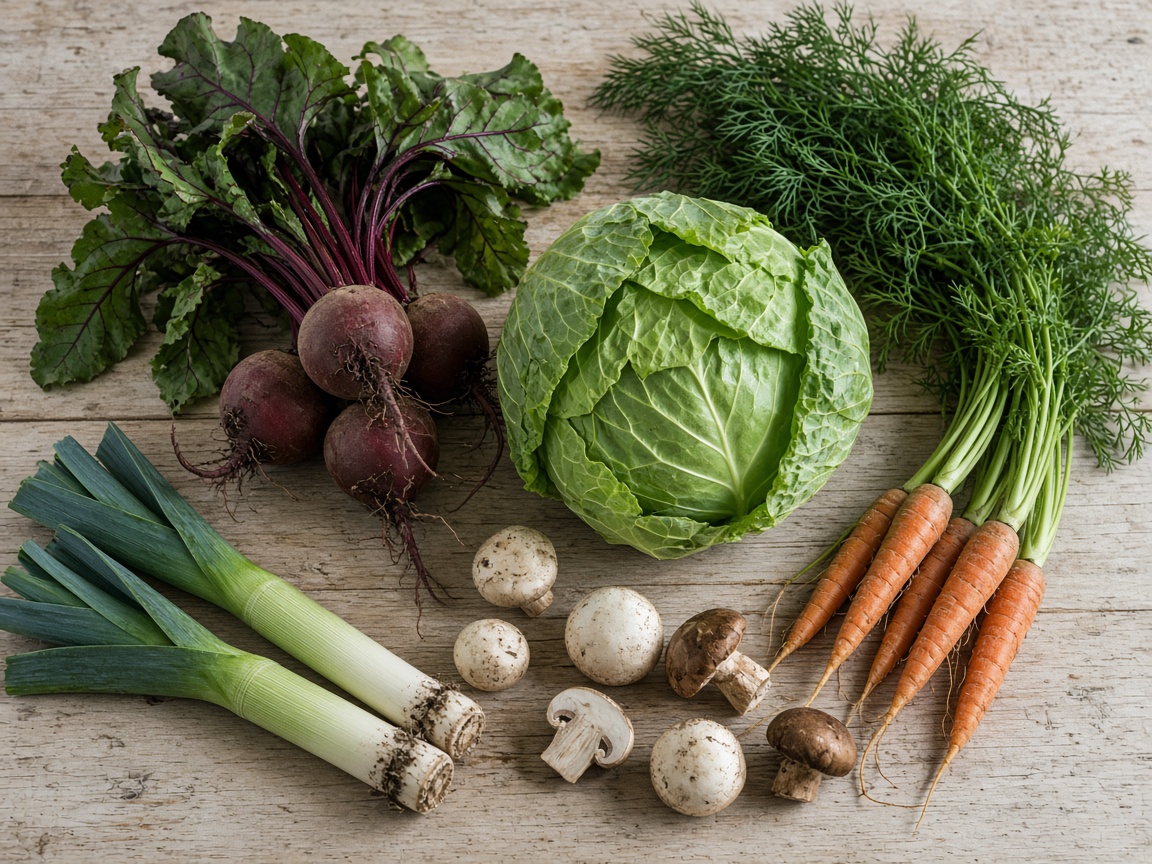
Half the plate is fruits and vegetables, and half of grains are whole. Protein foods are varied: beans, nuts, fish, eggs, lean meat, not one of them for every day. Dairy is low-fat or fat-free, or fortified soy stands in its place.
One food cannot at the same time be the vegetable half, the whole grain, the varied protein, and the dairy line. Even a hero that is useful in an everyday sense covers a piece of the plate and leaves the other groups empty. Culture and budget allow cheap foods inside the groups, but they do not allow the groups themselves to be erased.
Fiber and the four hundred grams do not yield to one name
WHO asks for fruit and vegetables at or above 400 g a day as food, not as the only permitted kind. Fiber for adults is at least 25 g a day from food, and it is usually gathered from grain, beans, vegetables, and fruit together. A diet of only eggs or only juice does not gather that pair of lines, even if the week is called healing.
Free sugars under 10% of energy are still counted if the hero is a sweet fruit in the form of juice, or dried fruit in a large amount. Fat under 30%, saturated fat under 10%, and salt under 5 g do not vanish if the hero is a fatty or salty food. Energy intake balances expenditure across the day, not across one ritual product.
Why a narrow menu breaks the week
CDC describes setbacks as expected, and a one-food diet almost invites hunger and boredom to arrive before any habit does. The answer to a setback in that text is a return to specific steps, not a doubling of the ban. Two or three goals, such as water instead of a sugary drink and a vegetable with supper, are wider and more durable than one permitted food.
The reward is not food, or after days on a single product the prize becomes the rest of the refrigerator. A gradual pace of about 1 to 2 pounds a week does not require a single-food diet. Losing 20 pounds in 2 weeks remains an unrealistic goal, and a single product does not justify it.
What the log shows instead of the hero
An honest log across a few days shows the oil, the drink, the bread, and the second food that a single-food diet promised not to count. If the hero occupies only one meal, the rest of the day is still judged by MyPlate and by the WHO shares. The article does not issue a list of permitted miracle foods and does not promise a blood test from their names.
When animal food is scarce or absent, the NIH line on B12 still applies, a fortified food or a supplement, because plants do not contain B12, and this page does not prescribe a dose. That is not a reason to replace the whole plate with one supplement and not a reason to eat only meat. Illness already present, and questions about medicines, go to a clinician: one food is not a clinical regimen.
What this text draws on
- Dietary Guidelines for Americans, 2020–2025, and USDA MyPlate: a nutrient-dense pattern shaped by culture and budget; added sugars <10% of calories from age 2; saturated fat <10%; sodium <2,300 mg/day; half the plate fruits and vegetables; half of grains whole; varied protein foods; low-fat or fat-free dairy or fortified soy. Drinking less is better than drinking more; not drinking is an option.
- WHO Healthy diet fact sheet: energy intake in balance with expenditure; fruit and vegetables ≥400 g/day; free sugars <10% of energy (below 5% for further benefit); fat <30%; saturated fat <10%; trans fat <1%; salt <5 g/day; unsaturated fats (fish, avocado, nuts, vegetable oils) preferred to saturated and industrial trans fats.
- WHO carbohydrate guideline, 2023: at least 25 g of fiber a day for adults, from food.
- CDC, Steps for Losing Weight (January 17, 2025): a gradual pace of about 1 to 2 pounds a week is more likely to be kept than quicker loss; losing 20 pounds in 2 weeks is the example of an unrealistic goal. Modest loss, CDC’s example: 5% of 200 pounds is 10 pounds, can improve blood pressure, cholesterol, and blood sugar and could lower risk of heart disease, prediabetes, and type 2 diabetes — not a personal guarantee. Log food and drinks, activity, sleep, and stress. Goals are specific, two or three at a time; examples include water instead of a sugary drink, a 15-minute walk, a vegetable with supper. Setbacks are expected. Rewards are not food. Medicines, illness, stress, genes, hormones, environment, and age affect weight. Weight and medicine questions go to a clinician. Medicines and bariatric surgery are clinical options, not DIY.
- NIH Office of Dietary Supplements, vitamin B12: people who eat little or no animal food need a reliable B12 source, a fortified food or a supplement. Plants do not contain B12. This article does not prescribe a dose.
A short paraphrase of open guides and reviews (WHO, national recommendations, peer‑reviewed summaries). Not a quotation and not a treatment protocol.
Short answers
Can one food be a complete MyPlate pattern?
No. Fruits and vegetables, grains, varied protein foods, and the dairy line or fortified soy are all needed. One hero leaves the other groups empty.
Do eggs or cabbage for a whole week meet the fiber line and the 400 g?
No. Fiber, at least 25 g a day, and fruit and vegetables at or above 400 g are gathered from varied food. One product does not cover that pair of lines.