A plant plate
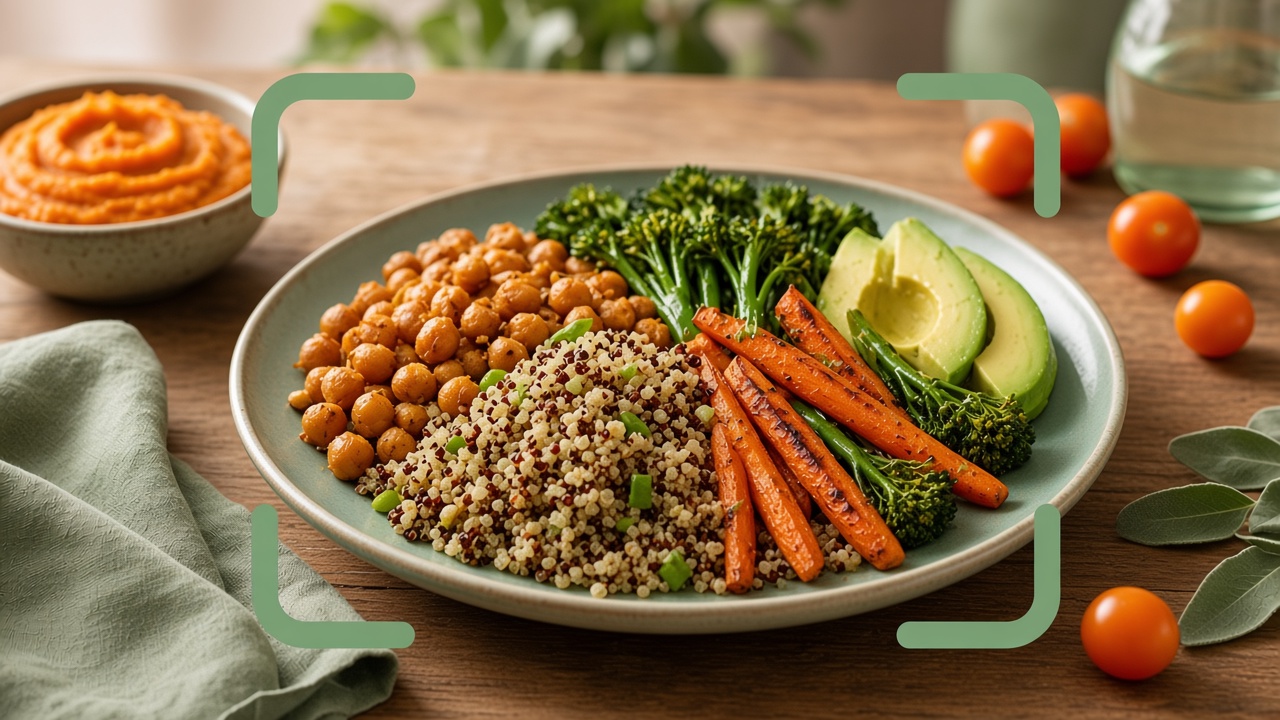
A plant plate in the American guidelines is built from the ordinary MyPlate groups, and the protein foods on it can be beans, lentils, soy, and nuts. If animal food is scarce or absent, NIH asks for a reliable vitamin B12 source, and this page does not prescribe a dose.
Protein is not only from meat
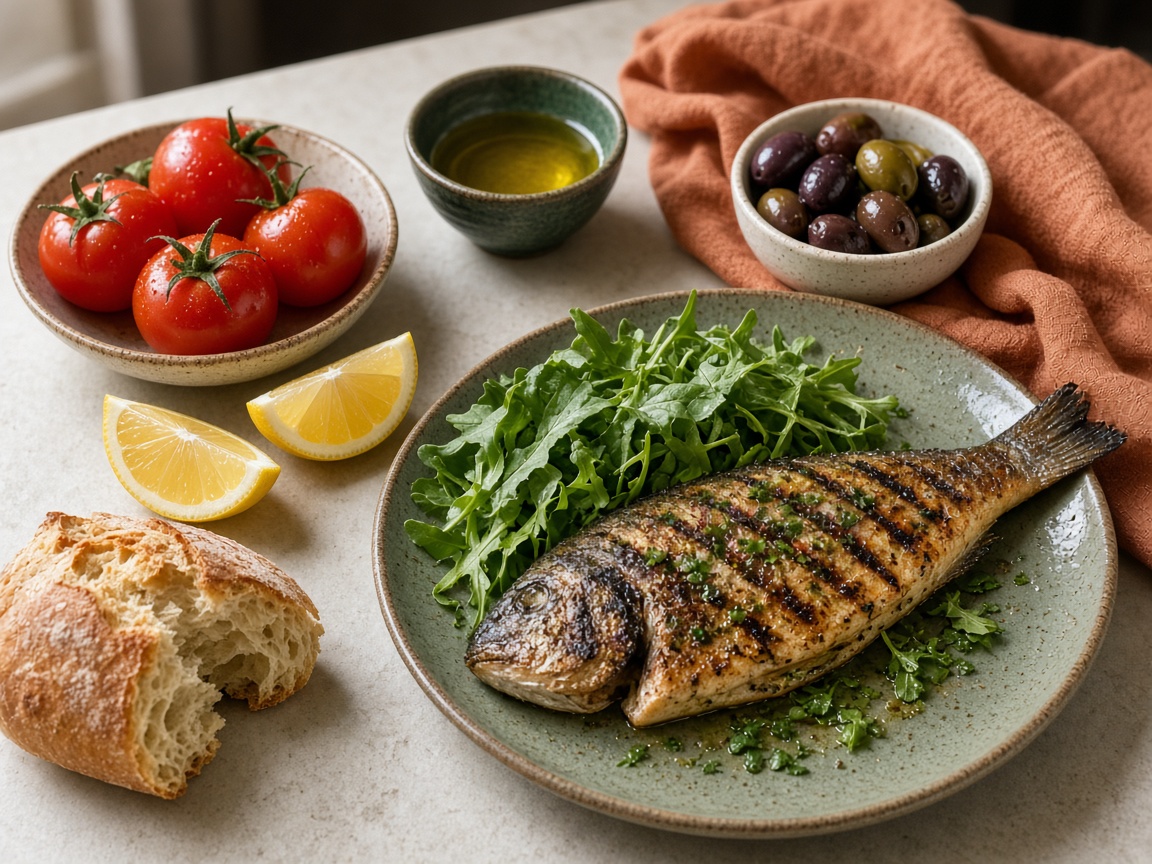
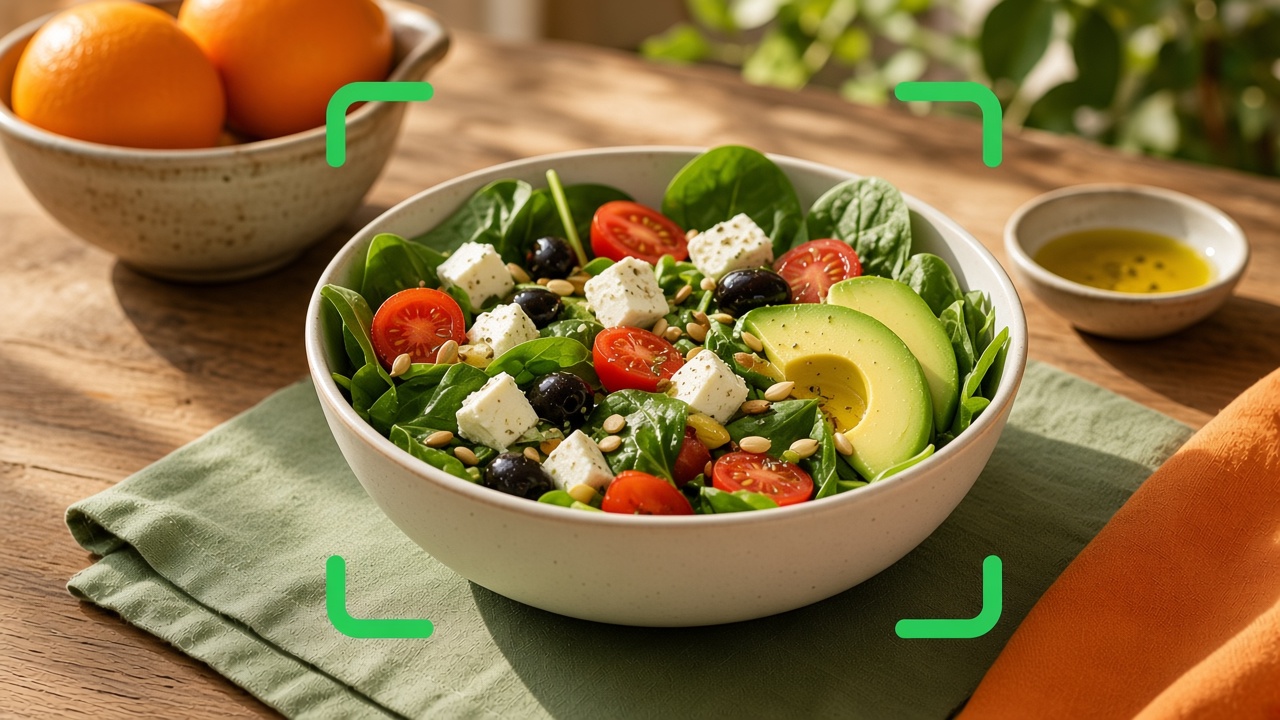
MyPlate asks for varied protein foods, and that row includes beans, lentils, soy, and nuts alongside seafood, eggs, and lean meat. A plant plate uses the plant part of that row, and it does not declare one food the only food of the day. The dairy line can stay low-fat or fat-free, or fortified soy can stand in its place, which the guidelines name directly.
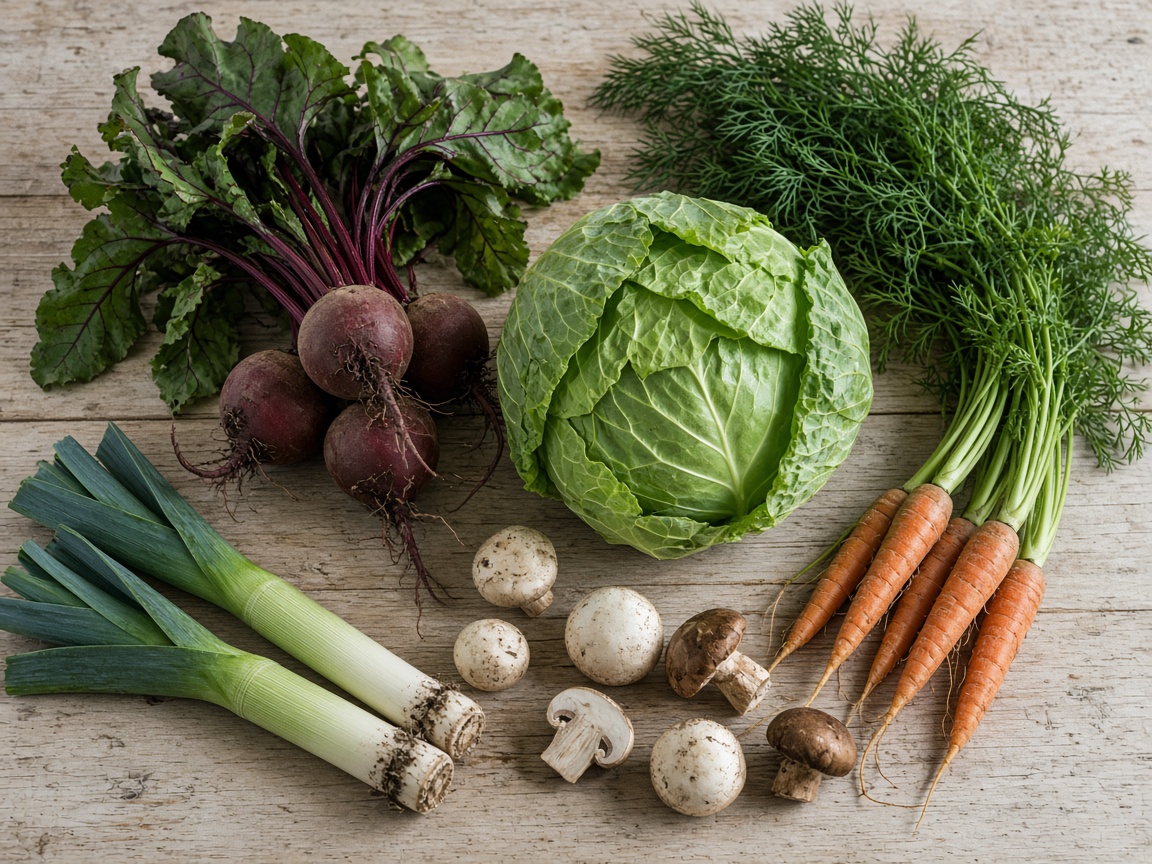
Half the plate is still fruits and vegetables, and half of grains are whole. That geometry is not met by a plate of lentils alone, with no vegetables and no grain. The document asks that culture and budget shape the pattern: beans, oats, and frozen vegetables belong in it as much as an expensive display.
Fiber and the four hundred grams
The WHO carbohydrate guideline of 2023 asks adults for at least 25 g of fiber a day and takes it from food. Beans, whole grains, vegetables, and fruit feed that line when they are actually in the day, not only in the name of the diet. The healthy-diet fact sheet separately keeps fruit and vegetables at or above 400 g a day.
Free sugars do not become allowed just because the menu is plant-based: juice, honey, and a sugary drink still have to fit under 10% of energy. A level below 5% is called further benefit, and dried fruit in syrup or a sweet nut bar spends it easily. Fat under 30%, saturated fat under 10%, trans fat under 1%, and salt under 5 g apply to a plant table as they do to any other.
When a B12 source is needed
The NIH Office of Dietary Supplements says it plainly: plants do not contain vitamin B12. People who eat little or no animal food need a reliable source, a fortified food or a supplement. This page repeats that condition and does not turn it into a dose, a schedule, or a promise of energy.
If eggs, dairy, fish, or meat remain in the week, the NIH sentence is not aimed at everyone, but at little animal food or at none. Fortified soy can cover the MyPlate dairy line and the role of a fortified food, but a specific B12 dose is still not prescribed by this article. The supplement here is not a substitute for vegetables, grain, and beans; it answers one vitamin that plants do not contain.
How not to shrink the pattern to a slogan
A plant plate stays a pattern of several groups, not a ban on every animal food for every reader. Leaving animal food out entirely can sit inside MyPlate protein foods only together with the separate B12 line, and without a homemade dose. Energy intake still balances expenditure: a large amount of nuts and oil does not vanish from the day because of the word plant.
A log helps show whether fiber came from food or the day was carried by juice and a bar. The article does not promise weight, blood pressure, or a blood test from the name of a diet. If treatment is already under way, a cooking paragraph does not change the prescription and does not choose a supplement.
What this text draws on
- Dietary Guidelines for Americans, 2020–2025, and USDA MyPlate: a nutrient-dense pattern shaped by culture and budget; added sugars <10% of calories from age 2; saturated fat <10%; sodium <2,300 mg/day; half the plate fruits and vegetables; half of grains whole; varied protein foods; low-fat or fat-free dairy or fortified soy. Drinking less is better than drinking more; not drinking is an option.
- NIH Office of Dietary Supplements, vitamin B12: people who eat little or no animal food need a reliable B12 source, a fortified food or a supplement. Plants do not contain B12. This article does not prescribe a dose.
- WHO carbohydrate guideline, 2023: at least 25 g of fiber a day for adults, from food.
- WHO Healthy diet fact sheet: energy intake in balance with expenditure; fruit and vegetables ≥400 g/day; free sugars <10% of energy (below 5% for further benefit); fat <30%; saturated fat <10%; trans fat <1%; salt <5 g/day; unsaturated fats (fish, avocado, nuts, vegetable oils) preferred to saturated and industrial trans fats.
A short paraphrase of open guides and reviews (WHO, national recommendations, peer‑reviewed summaries). Not a quotation and not a treatment protocol.
Short answers
Which B12 dose should be chosen when meat is left out?
This page does not prescribe a dose. NIH says only that little or no animal food calls for a fortified food or a supplement, because plants do not contain B12.
Do lentils alone cover a plant plate?
No. Vegetables and fruit, whole grains, and, when needed, the dairy line or fortified soy still belong. WHO asks for fiber from food, at least 25 g a day for adults.