The Mediterranean plate
Not a brand and not a ban list. It is a habit: vegetables, legumes, fish, olive oil, whole grains, a little dairy, and sweets kept rare.
What it is made of
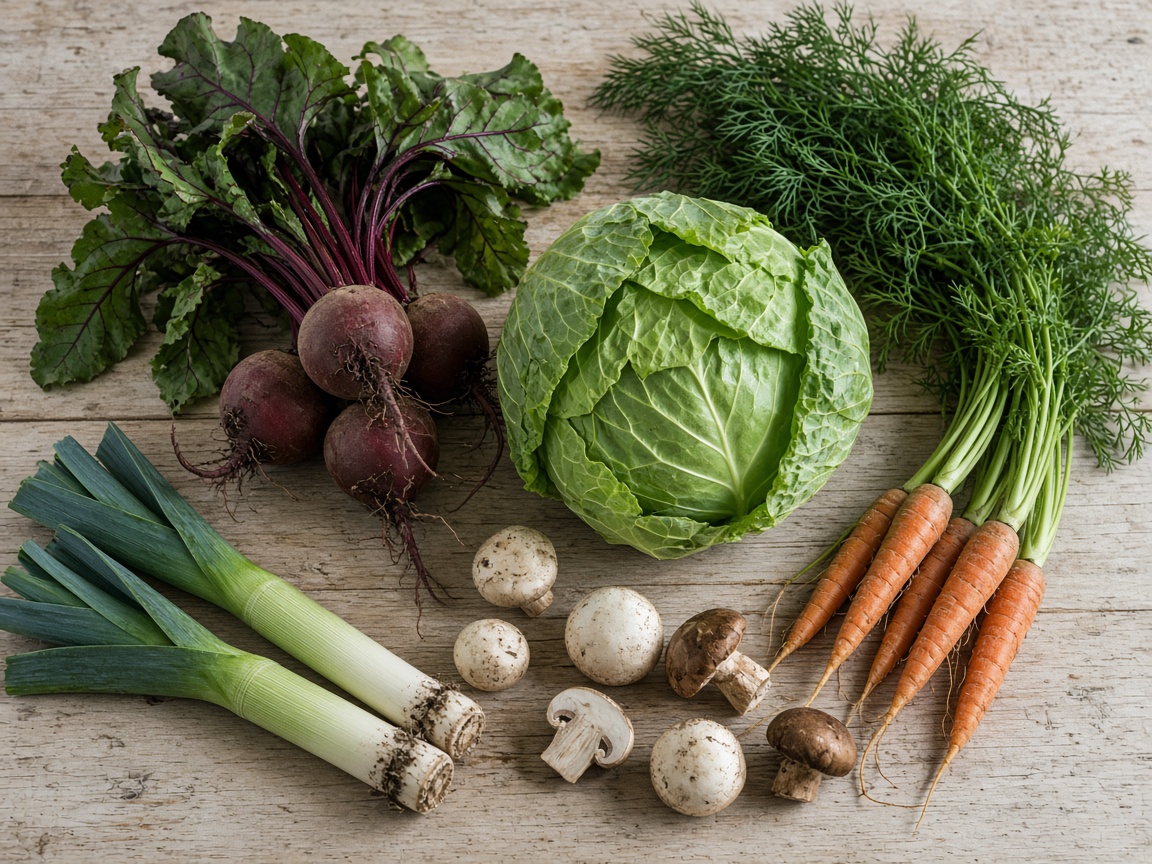
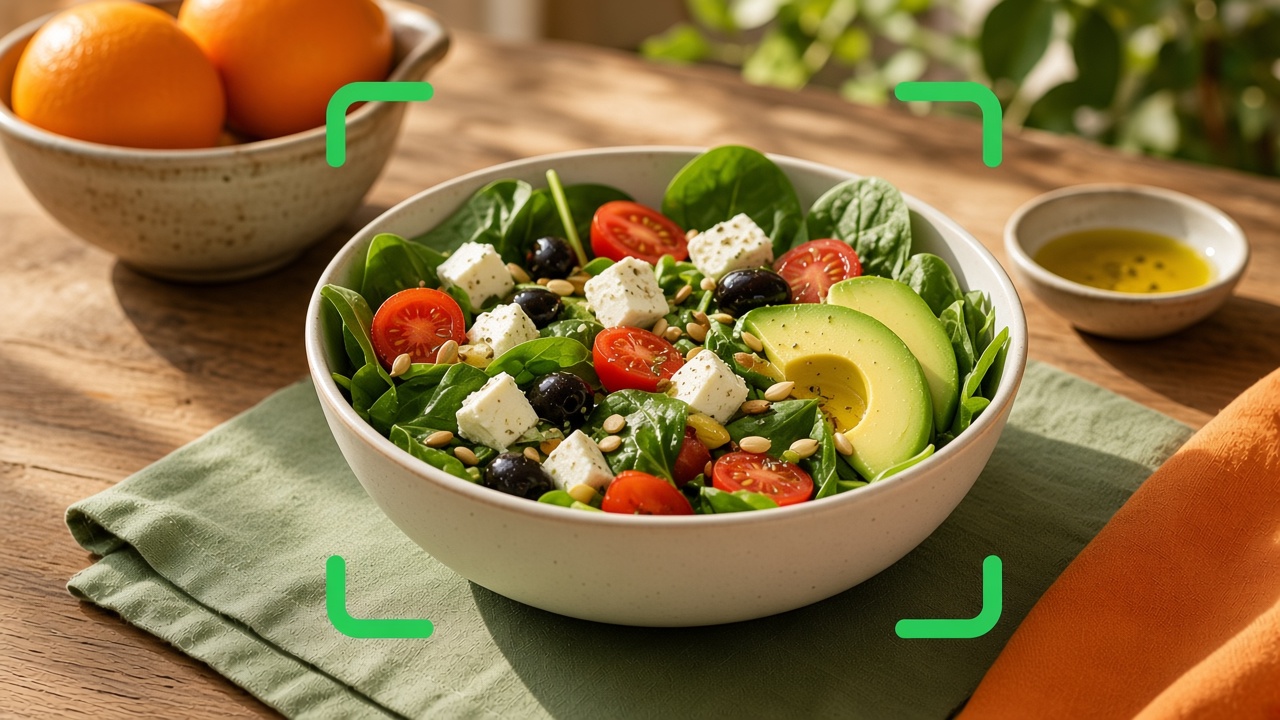
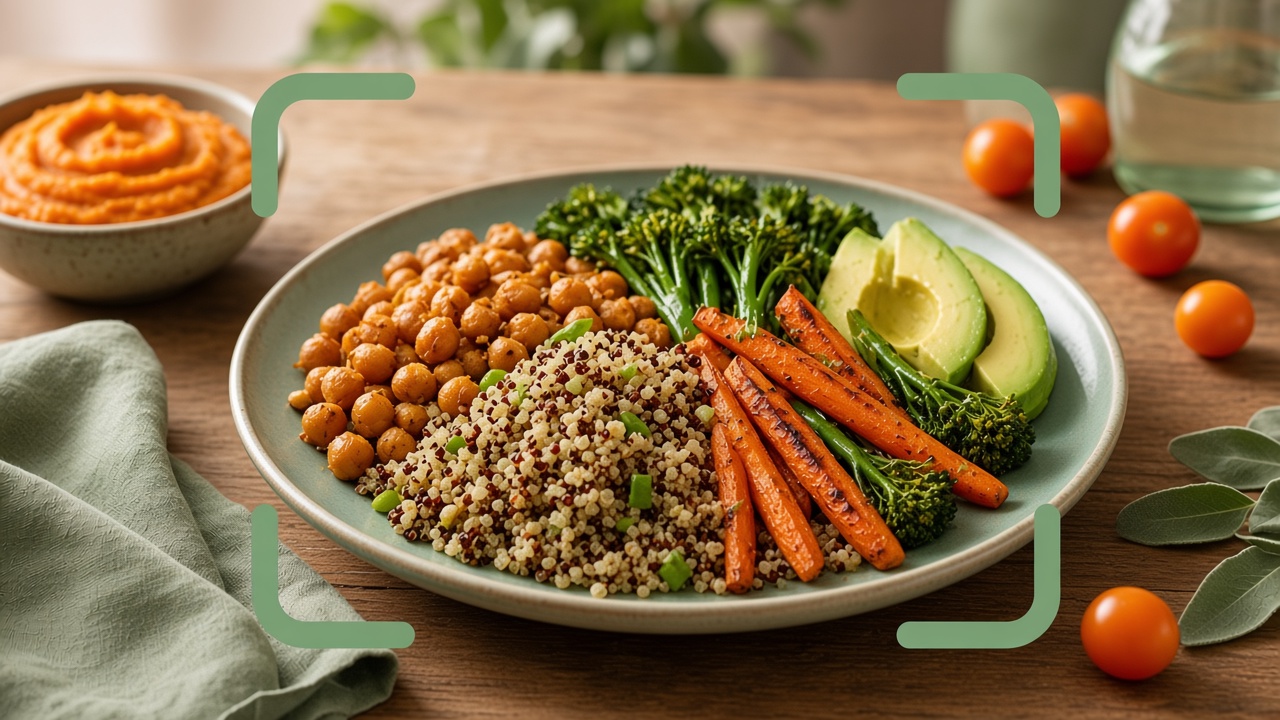
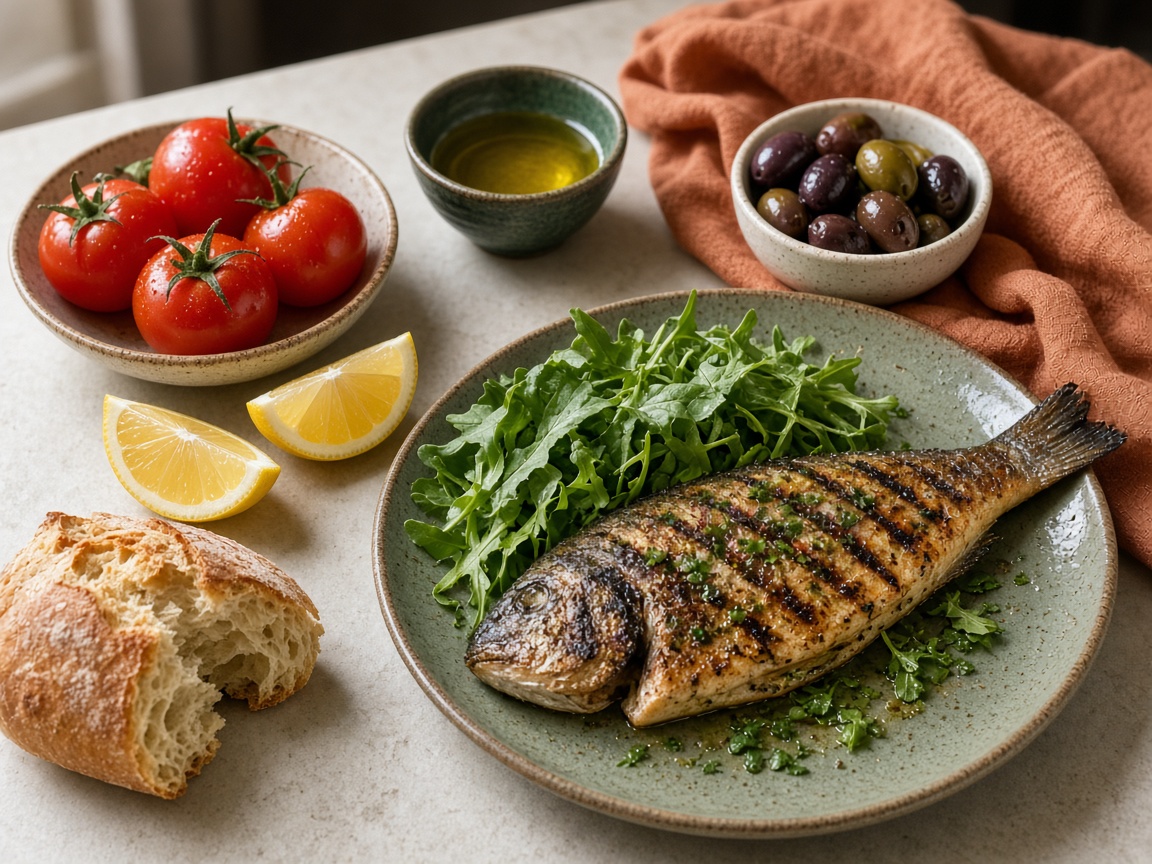
The pattern lives in foods that repeat for weeks, not in one correct lunch. The base is vegetables and greens, legumes, bread or grain that is not mostly air, fish more often than meat, olive oil as the main fat, yogurt or a small piece of cheese, fruit instead of a cream dessert.
Red meat and sweets are not erased forever. They are simply not the center of every day. Wine, which popular retellings mention often, is not required. In a diary it is an ordinary drink with calories, and many people are steadier without it.
What the research actually showed
The pattern has been studied for the heart and for a long eating habit, not as a seven-day weight drop. The PREDIMED trial followed people at high cardiovascular risk who ate a diet built around olive oil or nuts. That is one important trail, not a universal ticket and not a promise of ten kilograms by Friday.
Weight changes when energy changes over weeks. A Mediterranean plate often helps because it is filling and good to eat without a permanent game of bans. If the portions of oil, nuts, and cheese are large, the calories catch up with any “healthy” list.
What a day can look like
Breakfast might be yogurt, fruit, and a handful of nuts, or bread with tomato and oil. Lunch is fish or legumes, vegetables, and a modest grain. Dinner is often lighter than lunch, and that is culture, not a law of physics. A snack is fruit because it fits, not because the pattern police require it.
You can cook it in any kitchen. Buckwheat, cabbage, cod, and rapeseed oil do not make a day “not Mediterranean” if the spirit of the plate is the same: plants, fish or legumes, and oil that is generous and still measured.
Who it suits, and where to be careful
It is a calm fit for most adults who like ordinary food rather than a points system. It does not treat a disease by itself. Kidney disease, gallbladder disease, a need to limit potassium, or an allergy means a clinician builds the plate, not an article.
Oil and nuts are useful in a portion. “It is allowed because it is Mediterranean” is a common reason a diary misses its goal.
What this text draws on
- Oldways Mediterranean diet pyramid; aligned with PREDIMED and WHO fat and vegetable guidance.
A short paraphrase of open guides and reviews (WHO, national recommendations, peer‑reviewed summaries). Not a quotation and not a treatment protocol.
Short answers
Is this a weight-loss diet?
It is a way to build a plate. Weight loss comes from a deficit over weeks, not from the pattern’s name.
Does it have to be olive oil?
Olive oil is typical. Another liquid oil, such as rapeseed, belongs to a northern plate and has the same calories per spoon.