A fortified food or a supplement: when animal food is absent
If animal food is scarce or absent, the NIH asks for a reliable source of vitamin B12: a fortified food or a supplement. Plants do not contain B12. Which bottle to take, and at what dose, this page does not say.
How fortification differs from “plant B12”
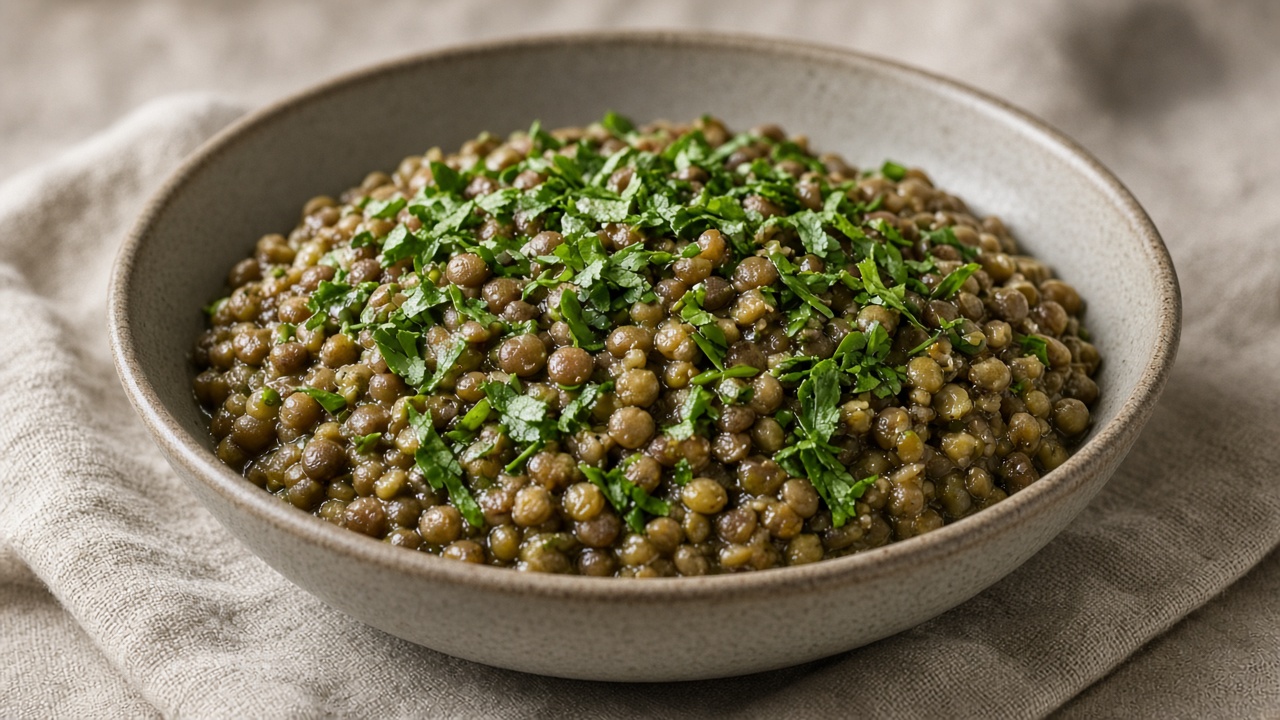
Lentils, greens, and whole grain stay useful on their own lines: fiber, vegetables, half of grains. They do not become B12 because the plate is plant-based. Fortification is a separate act of the maker; it is seen from the wording, not from the color of the grain.
Fortified soy in MyPlate closes the dairy share of the picture if it is fortified in the way the diagram means. The word “soy” without B12 fortification does not fulfill the NIH line. This page does not read other people’s boxes and does not declare every soy product a source.
A supplement without a figure
The word “supplement” is in the source. A number of micrograms is not in that sentence. A dose must not be filled in from another bottle or from memory. The upper limits of vitamin D do not apply to B12, and this page does not carry them over.
An existing deficiency, and stomach or bowel disease where absorption is impaired, are not treated by this sentence. The sentence says a source is needed. How to check it with a test is a clinician’s decision.
Plant protein does not replace B12
0.83 g of protein per kg can be built with beans as protein. That does not close a vitamin that plants do not contain. The two norms sit beside each other and do not substitute for each other. Kidney disease changes protein through a clinician and does not cancel the B12 question if animal food is absent.
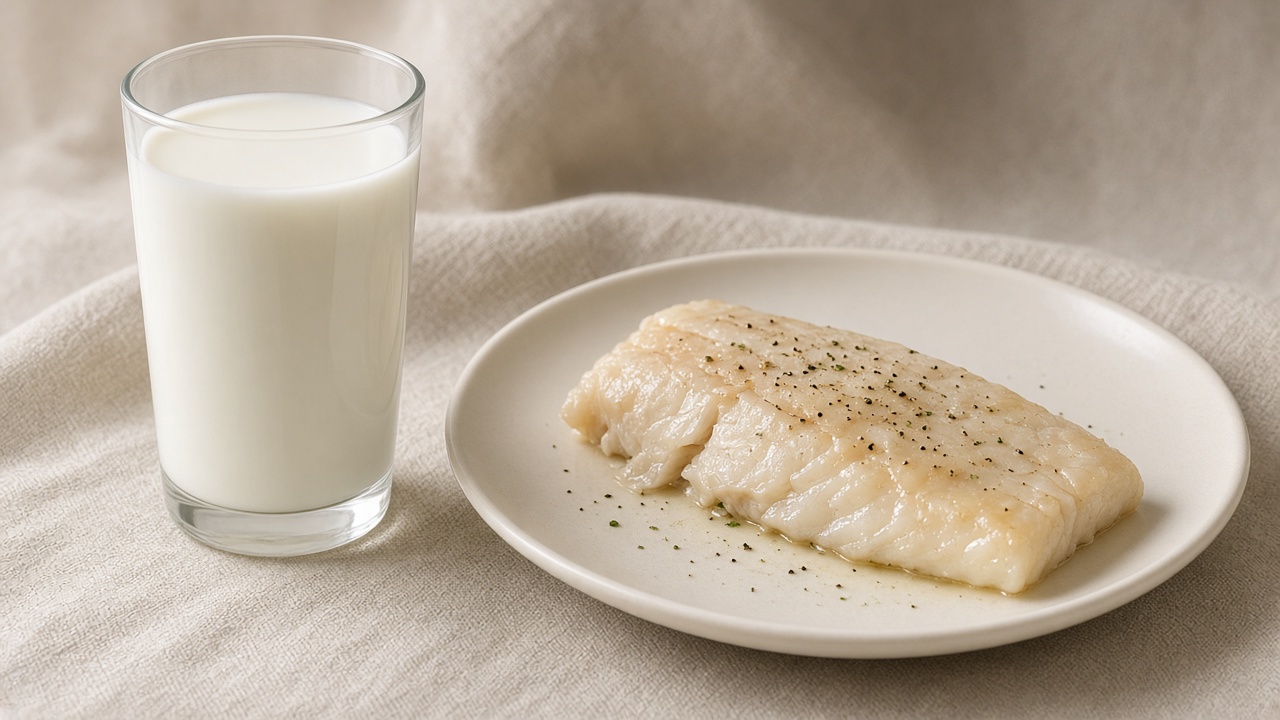
Fish, eggs, and dairy can be the animal food in the first half of the NIH sentence. How much of them is “already enough that another source is not needed,” the paragraph does not weigh. A small amount is exactly what it marks as a reason to look for a reliable source.
A photo of lentils does not close the question
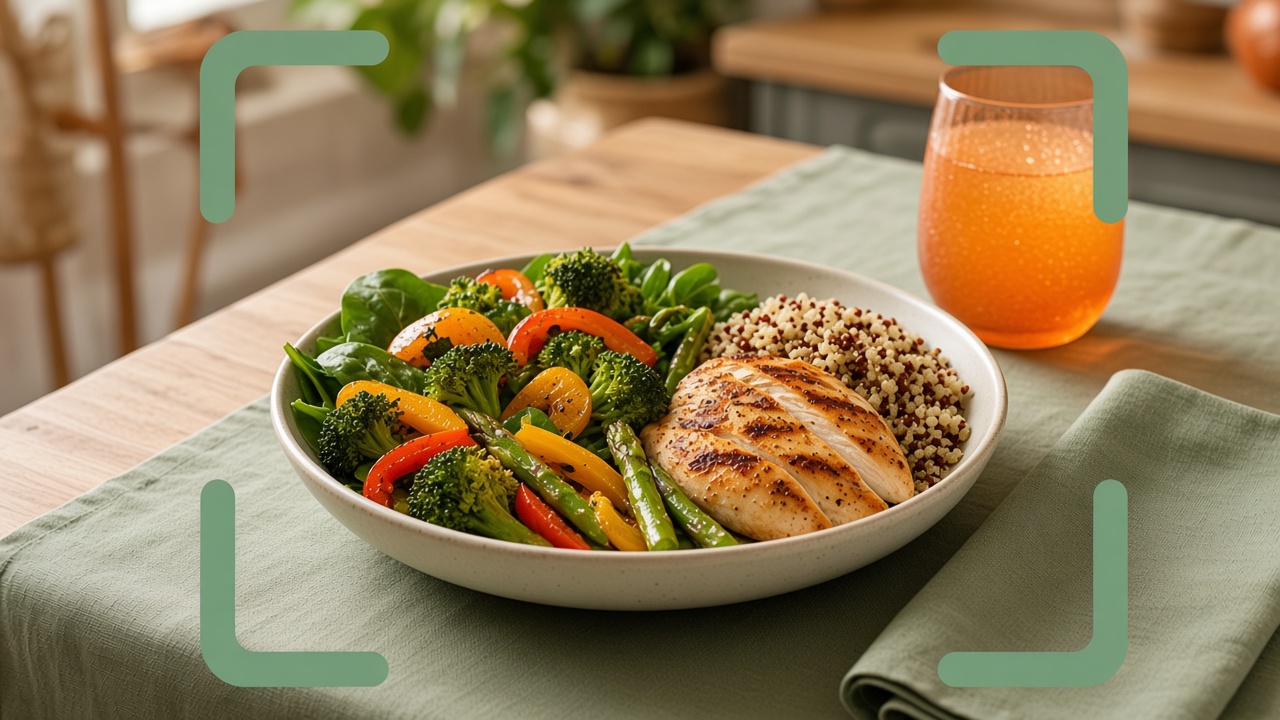
A draft shows food. It does not show fortification unless the person wrote it down, and it does not show a supplement that was not on the plate. Confirming a meal is not a blood test.
Walking minutes do not synthesize B12. Activity does not plug this gap.
What this text draws on
- NIH Office of Dietary Supplements, vitamin B12: people who eat little or no animal food need a reliable B12 source, a fortified food or a supplement. Plants do not contain B12. This article does not prescribe a dose.
- FAO/WHO/UNU, 2007: the safe protein level for adults is 0.83 g per kg body weight per day. A population figure, not a muscle-gain plan. Kidney disease changes it through a clinician.
- Dietary Guidelines for Americans, 2020–2025, and USDA MyPlate: a nutrient-dense pattern shaped by culture and budget; added sugars <10% of calories from age 2; saturated fat <10%; sodium <2,300 mg/day; half the plate fruits and vegetables; half of grains whole; varied protein foods; low-fat or fat-free dairy or fortified soy. Drinking less is better than drinking more; not drinking is an option.
A short paraphrase of open guides and reviews (WHO, national recommendations, peer‑reviewed summaries). Not a quotation and not a treatment protocol.
Short answers
Is a plate of beans enough?
For protein, beans can enter the day. For B12, no: plants do not contain it. A fortified food or a supplement is needed, and this page does not name the dose.
Which B12 supplement is the right one?
That number is not in the paraphrase. A reliable source is named, a dose is not prescribed. In a deficiency the question belongs with a clinician.