
A surplus with no universal number
The WHO fact sheet ties a stable weight to energy intake in balance with expenditure, not to one add-on for every adult. No source used here names a kilocalorie figure that everyone should add on top of an ordinary day.
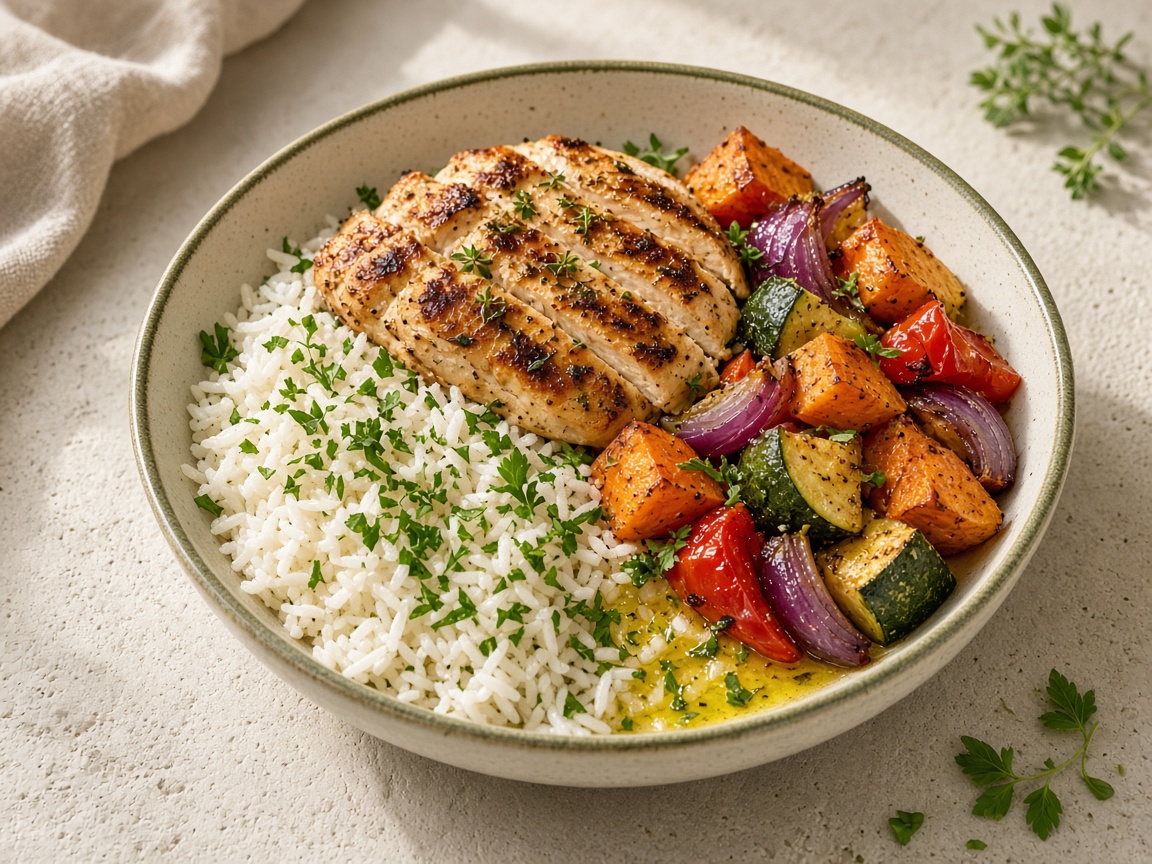
Balance, not a spare pile
The balance sentence describes a weight that holds when food energy and expenditure meet. It does not promise that every plus is useful, and it does not leave a kilocalorie reserve for each adult. Wanting to gain weight does not turn the sentence into permission to eat without regard for the shares of fat, free sugars, and salt.
Beside balance, the same sheet keeps fruit and vegetables at or above 400 g a day, free sugars under 10% of energy, fat under 30%, saturated fat under 10%, trans fat under 1%, and salt under 5 g a day. Those limits are not lifted on a day when the scale is supposed to rise. The further benefit below 5% of energy from free sugars is not reserved for weight loss either.
What the sheets do not give
The CDC page on losing weight speaks of a gradual pace of about 1 to 2 pounds a week and uses a loss of 20 pounds in two weeks as an unrealistic goal. That is talk about loss, and it cannot be turned around into a plan to gain the same pounds. CDC’s modest-loss example, 5% of 200 pounds as 10 pounds, refers to blood pressure, cholesterol, and blood sugar, and it is explicitly not a personal guarantee.
The Mifflin equation is a resting estimate, not a plate and not a surplus. For men it is 10 × kg plus 6.25 × cm minus 5 × age plus 5; for women, minus 161 replaces plus 5. The equation does not measure what was eaten and does not prescribe anything. These sources do not tell anyone to multiply it by a shared factor and then write the same add-on for every adult.
What can still move
What can reasonably move is the shape of the day inside limits already named. The sheet prefers unsaturated fats — fish, avocado, nuts, vegetable oils — to saturated fats and industrial trans fats. Half of grains as whole grains, varied protein foods, and low-fat or fat-free dairy or fortified soy remain the MyPlate frame, with culture and budget as a legitimate setting rather than an obstacle.
A log of food, drinks, activity, sleep, and stress comes before the conclusion that a day is “too small.” CDC asks for specific goals, two or three at a time, and treats setbacks as expected. A food reward is not on that list. Until several ordinary days are on paper, a universal surplus figure would be a guess, not a line from the sheet.
Why the plus is not shared
Weight, on the CDC page, is affected by medicines, illness, stress, genes, hormones, environment, and age, so one add-on cannot be fair across all of those circumstances. Questions about weight and medicines go to a clinician. Medicines and bariatric surgery are named as clinical options, not as a home adjustment of appetite.
The FAO/WHO/UNU safe protein level, 0.83 g per kg of body weight per day, is a population figure for adults. It is not the size of a surplus and not a muscle plan. Kidney disease changes protein through a clinician. This article leaves the add-on without a shared number, because these sheets do not contain one.
What this text draws on
- WHO Healthy diet fact sheet: energy intake in balance with expenditure; fruit and vegetables ≥400 g/day; free sugars <10% of energy (below 5% for further benefit); fat <30%; saturated fat <10%; trans fat <1%; salt <5 g/day; unsaturated fats (fish, avocado, nuts, vegetable oils) preferred to saturated and industrial trans fats.
- CDC, Steps for Losing Weight (January 17, 2025): a gradual pace of about 1 to 2 pounds a week is more likely to be kept than quicker loss; losing 20 pounds in 2 weeks is the example of an unrealistic goal. Modest loss, CDC’s example: 5% of 200 pounds is 10 pounds, can improve blood pressure, cholesterol, and blood sugar and could lower risk of heart disease, prediabetes, and type 2 diabetes — not a personal guarantee. Log food and drinks, activity, sleep, and stress. Goals are specific, two or three at a time; examples include water instead of a sugary drink, a 15-minute walk, a vegetable with supper. Setbacks are expected. Rewards are not food. Medicines, illness, stress, genes, hormones, environment, and age affect weight. Weight and medicine questions go to a clinician. Medicines and bariatric surgery are clinical options, not DIY.
- Mifflin M. D. et al., Am J Clin Nutr, 1990; 51(2):241-247: a resting estimate. Men (10 × kg) + (6.25 × cm) − (5 × age) + 5. Women the same with −161 instead of +5. Not a measurement of what was eaten and not a prescription.
- FAO/WHO/UNU, 2007: the safe protein level for adults is 0.83 g per kg body weight per day. A population figure, not a muscle-gain plan. Kidney disease changes it through a clinician.
A short paraphrase of open guides and reviews (WHO, national recommendations, peer‑reviewed summaries). Not a quotation and not a treatment protocol.
Short answers
Is there one kilocalorie add-on for every adult?
No. The WHO sheet states balance for a stable weight, and the sources used here do not name a shared kilocalorie add-on.
Can the CDC loss pace be reversed into a gain pace?
No. The line about 1 to 2 pounds a week is about losing weight, and reading it backwards does not make it a gain target.
