A modest surplus, and why eating everything does not build strength
Weight rises when energy in over the week exceeds energy out. WHO states the other side of the same sentence: for a stable weight, intake and expenditure meet. The WHO fact sheet and the CDC steps do not publish one “add this many kcal” figure for every adult.
What the sources actually say
The WHO healthy-diet fact sheet keeps its limits while you gain: free sugars under 10% of energy, total fat under 30%, saturated fat under 10%, industrial trans fat under 1%, salt under 5 g a day. Fruit and vegetables stay at least 400 g. “Eat everything” drops those limits first, through sugary drinks, pastries, and fatty meat.
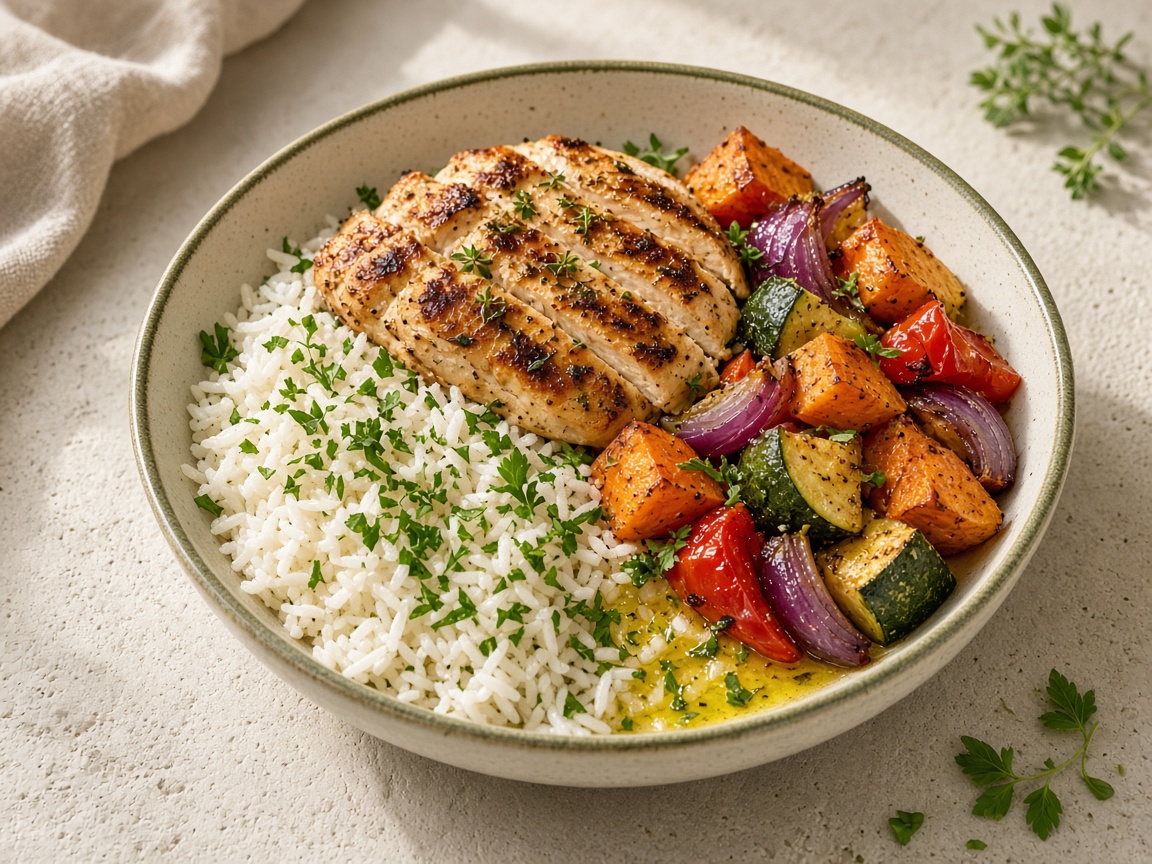
The 2020–2025 Dietary Guidelines ask for nutrient-dense calories, not calories that are mostly added sugar, saturated fat, and sodium. MyPlate still applies: half the plate fruits and vegetables, many grains whole, protein varied.
Why a large plus is not muscle
CDC asks for muscle-strengthening on at least two days a week, plus aerobic activity. Extra food without that signal is only extra energy. A scale cannot show how much of a gain is muscle, fat, or water.
The same CDC weight page warns that quicker change is less often kept, and that medicines, illness, stress, hormones, environment, and age move the scale. A sudden jump, or weight that falls with no explanation, belongs with a clinician, not with a second dessert.
How to see whether a plus exists
The check is not one dinner. It is a few days of food and drink written down, as CDC suggests for tracking, and average weight across a couple of weeks. A salty day and a short night move the scale without new fat and without new muscle.
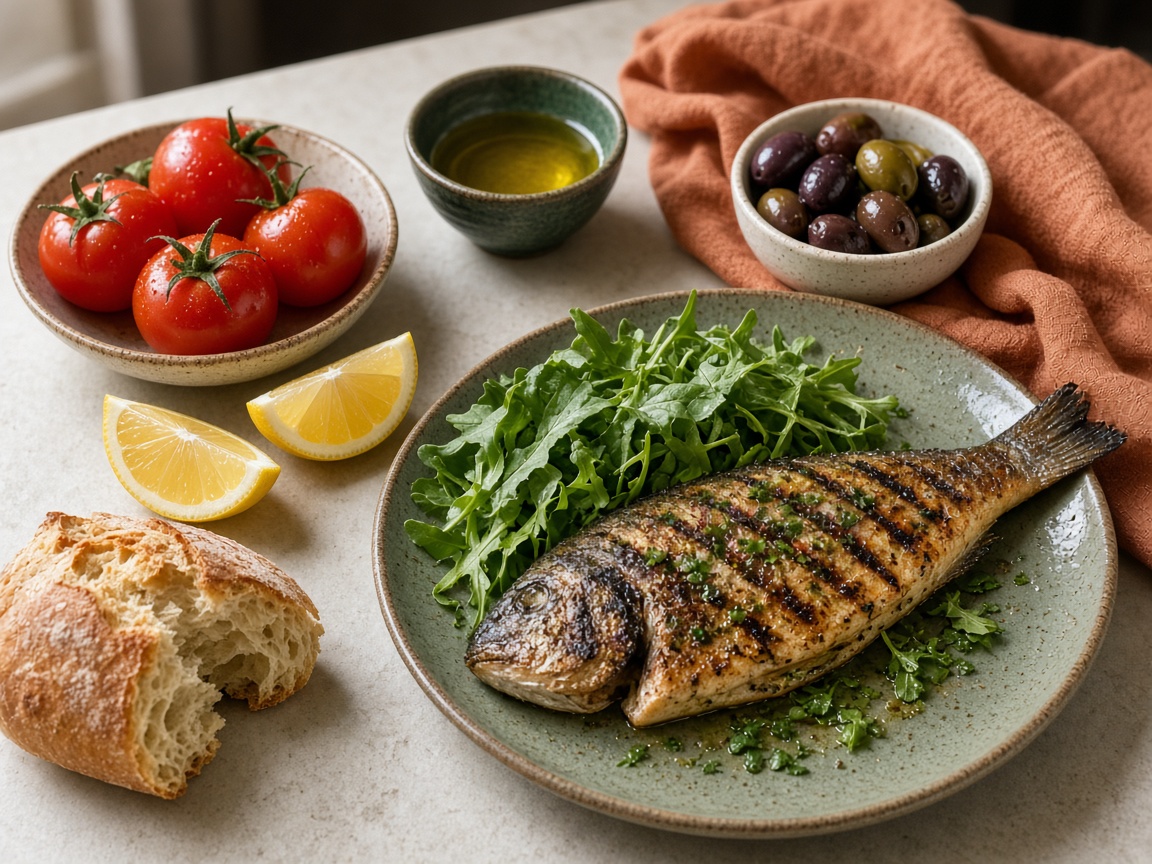
Oil, nuts, dairy, grain, and fish raise energy in a portion that can still fit the fat and sugar limits. A sugary soda raises energy with almost no fullness and spends the free-sugar allowance immediately.
What this page does not prescribe
There is no personal surplus in kilocalories here and no promise of kilograms of muscle by a date. The bot’s equation is a draft of expenditure, not a diagnosis and not a sports protocol.
Teens, pregnant people, and anyone with heart disease, kidney disease, or an eating disorder should not take a gain plan from an article. CDC sends weight and medication questions to a clinician.
What this text draws on
- WHO Healthy diet fact sheet: energy intake in balance with expenditure; fruit and vegetables ≥400 g/day; free sugars <10% of energy (below 5% for further benefit); fat <30%; saturated fat <10%; trans fat <1%; salt <5 g/day.
- CDC, Adult Activity: An Overview: at least 150 minutes of moderate aerobic activity a week and muscle-strengthening on 2 or more days.
- CDC, Steps for Losing Weight (January 17, 2025): a gradual pace of about 1 to 2 pounds a week is more likely to be kept than quicker loss; medicines, conditions, stress, genes, hormones, environment, and age also affect weight; ask a clinician when unsure.
- Dietary Guidelines for Americans, 2020–2025, and USDA MyPlate: nutrient-dense foods; added sugars <10% of calories from age 2; saturated fat <10%; sodium <2,300 mg/day; half the plate fruits and vegetables, half of grains whole, varied protein foods, low-fat or fat-free dairy or fortified soy.
A short paraphrase of open guides and reviews (WHO, national recommendations, peer‑reviewed summaries). Not a quotation and not a treatment protocol.
Short answers
How many kilocalories should you add?
Neither WHO nor CDC publishes one add-on for everyone. Watch average weight across weeks and the quality of the food, not the slogan “eat more.”
Can you gain on pizza and soda?
The scale will rise, and the WHO limits on sugar, saturated fat, and salt will not. That is not a strength program.