Teens do not take this surplus
The lines this wave uses for an add-on describe adults: activity from age 18 and a safe protein level of 0.83 g/kg for adults. That surplus is not handed to a teenager: weight and growth in these years belong with a clinician, not with an encyclopedia article.

Where the sheets write an age
The WHO activity fact sheet is addressed to adults aged 18 to 64, and from 65 it adds balance work. A teenager does not stand inside the phrase “18 to 64.” The safe protein level of 0.83 g per kg per day is also named for adults and is marked separately as not a muscle plan.
At least 25 g of fiber a day in the 2023 guideline is again about adults, and from food. This article will not carry those adult figures over to a person who is still growing and then add an invented surplus on top. A child and adolescent line with kilocalories is not among the sources of this page.
A separate conversation, not this add-on
CDC’s adult pages on losing weight and on adult activity are not a prescription for adolescents. The agency’s youth line lives separately, and this article does not quote it or stand in for it. One cannot read “how much to add” out of an adult text and carry it into a school day.
Questions about a teenager’s weight, especially if weight is falling, food is frightening, or medicines are in the picture, go to a clinician. Even on the adult page, CDC sends weight and medicine questions to a clinician. For a teenager that address matters more, because the article does not know their growth and has no authority to prescribe it.
What a family does not need to invent
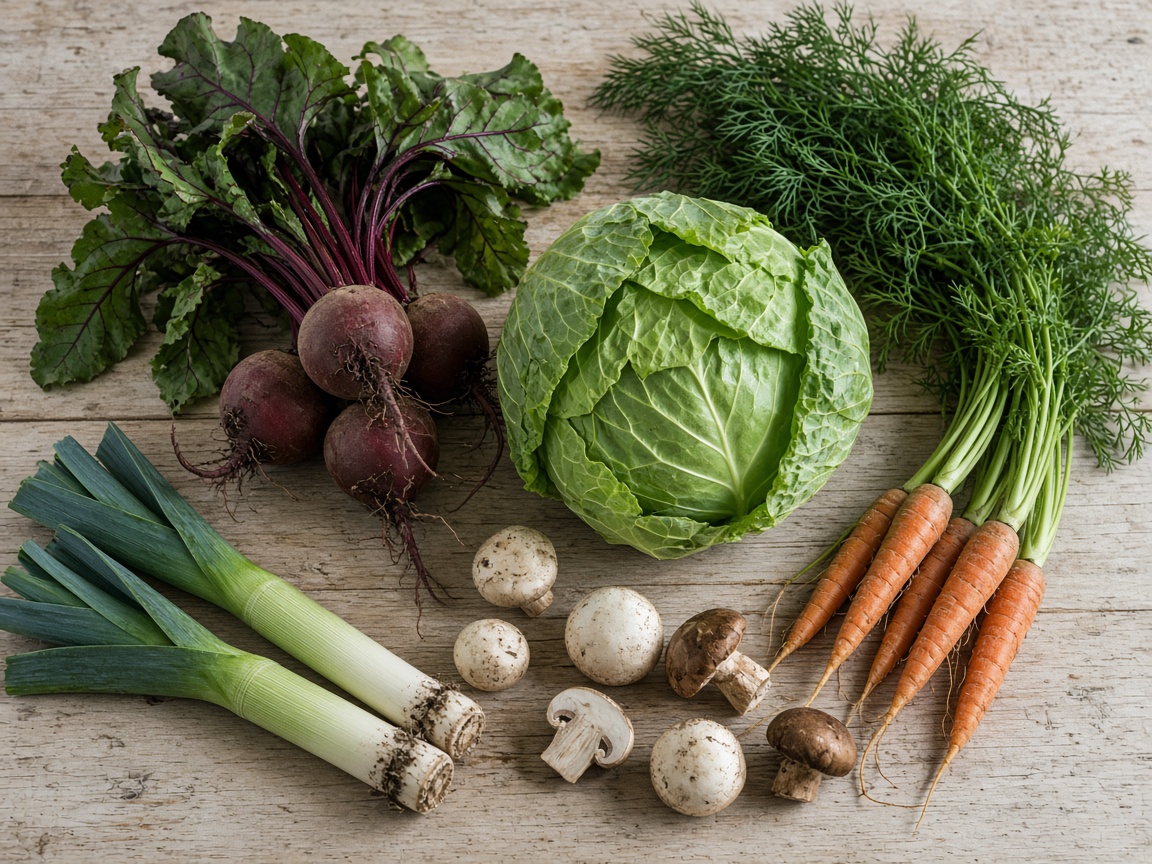
A shared table can stay nutrient-dense: half the plate vegetables and fruit, half the grains whole, protein foods varied, and sweets and salt not used as a way to “feed for growth.” Those quality frames describe food, not the size of a surplus. Culture and budget remain legitimate.
A separate “gain menu” of sugary drinks and sausage follows neither from WHO nor from MyPlate. Free sugars under 10% of energy and salt under 5 g a day are not cancelled by school age inside this article, and they are not turned into a personal plan here either. If a plan is needed, it is written by a clinician who sees the teenager.
The article does not grade a teenager’s body
Waist circumference and adult risk thresholds are not applied to a teenager as a home diagnosis. The adult Mifflin resting equation does not become a prescription for a schoolchild either: even in adults it does not measure what was eaten and prescribes nothing. This article does not suggest comparing a teenager with someone else’s morning weight.
Lapses in eating at this age are treated neither with shame nor with an add-on “for all adults.” Rewards are not food. If adults are worried about how a teenager eats, or whether weight is changing, that is a clinical conversation again, not a reason to open an article about a surplus and pick a number.
What this text draws on
- WHO Physical activity fact sheet: adults 18–64 at least 150–300 minutes of moderate aerobic activity a week, or 75–150 minutes vigorous, plus muscle-strengthening on 2 or more days; some activity is better than none; sedentary time should be limited. From age 65, the same plus balance and coordination on 3 or more days.
- FAO/WHO/UNU, 2007: the safe protein level for adults is 0.83 g per kg body weight per day. A population figure, not a muscle-gain plan. Kidney disease changes it through a clinician.
- CDC, Steps for Losing Weight (January 17, 2025): a gradual pace of about 1 to 2 pounds a week is more likely to be kept than quicker loss; losing 20 pounds in 2 weeks is the example of an unrealistic goal. Modest loss, CDC’s example: 5% of 200 pounds is 10 pounds, can improve blood pressure, cholesterol, and blood sugar and could lower risk of heart disease, prediabetes, and type 2 diabetes — not a personal guarantee. Log food and drinks, activity, sleep, and stress. Goals are specific, two or three at a time; examples include water instead of a sugary drink, a 15-minute walk, a vegetable with supper. Setbacks are expected. Rewards are not food. Medicines, illness, stress, genes, hormones, environment, and age affect weight. Weight and medicine questions go to a clinician. Medicines and bariatric surgery are clinical options, not DIY.
- WHO carbohydrate guideline, 2023: at least 25 g of fiber a day for adults, from food.
A short paraphrase of open guides and reviews (WHO, national recommendations, peer‑reviewed summaries). Not a quotation and not a treatment protocol.
Short answers
Can a teenager take the surplus from an adult article?
No. Activity in the WHO fact sheet starts at age 18, and 0.83 g of protein per kg is an adult figure. A teenager’s weight and growth are for a clinician.
Does this page contain a kilocalorie allowance for children?
No. The article’s sources do not contain an adolescent line with kilocalories, and the article does not invent one. CDC’s youth guidance is not quoted here and not replaced.