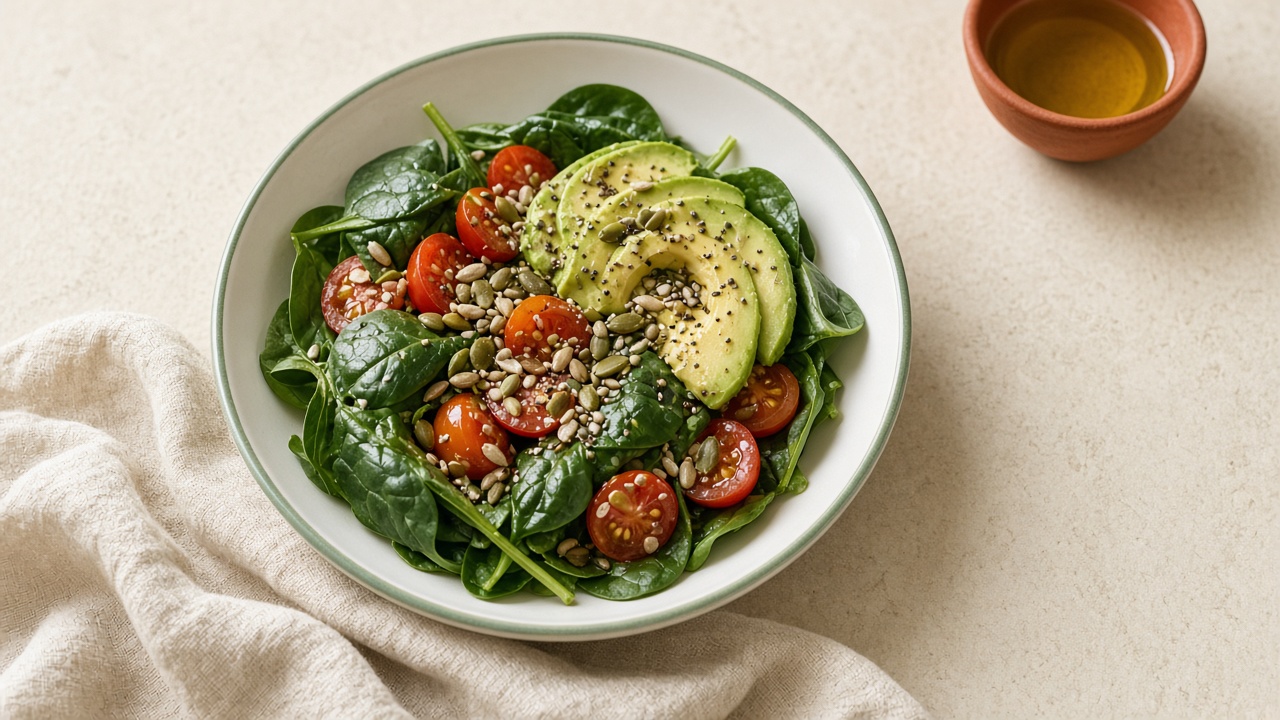
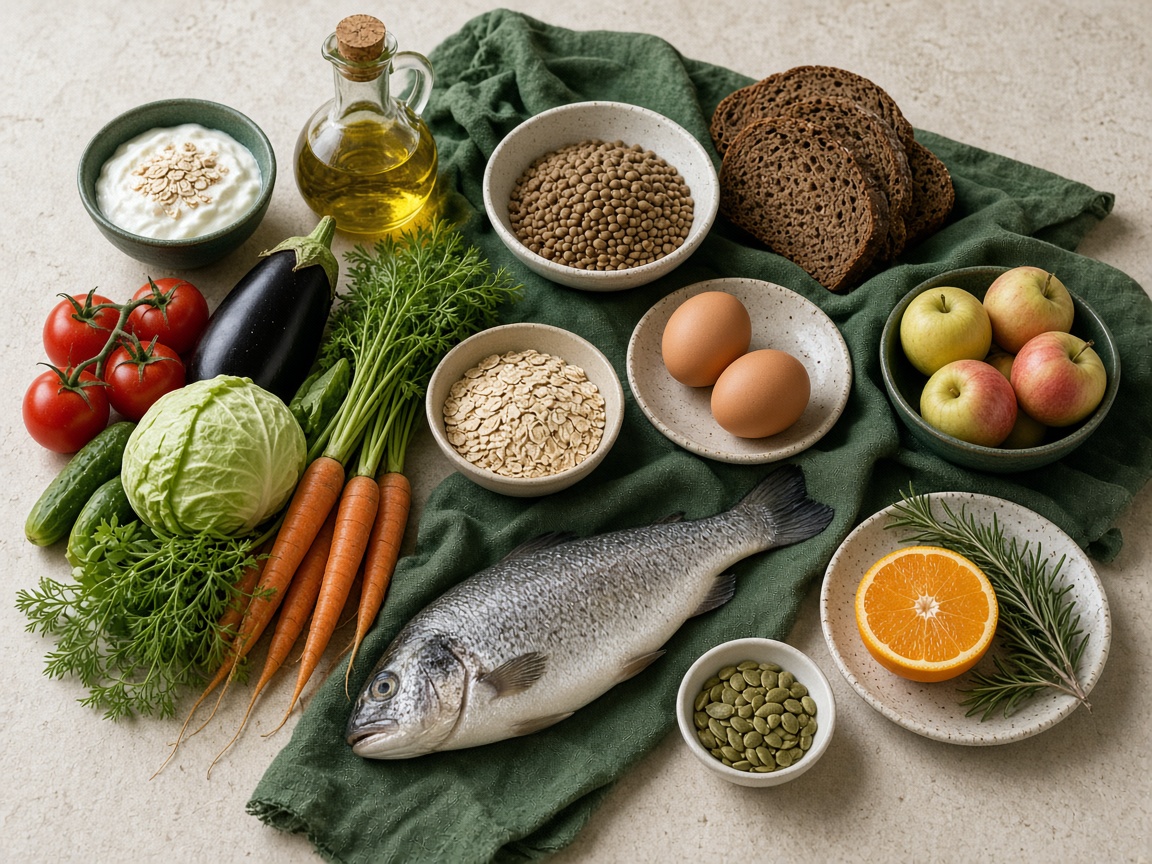
Keeping weight continues the pattern of food, movement, and a log
Weight stays put while the same pattern continues: the plate, the week of movement, and the log. CDC ties a result you can keep to the habits of a gradual pace, about 1 to 2 pounds a week, not to the day a diet is declared finished. Free sugars and added sugars stay inside the limits in that pattern. Grain stays on the plate.

The habit does not close on a date
The CDC page on steps for losing weight describes habits a person can repeat. It is the gradual pace, about 1 to 2 pounds a week, that the page treats as the one more likely to be kept. Keeping weight is that same bundle after a comfortable number is already there: how food is built, what activity sits in the week, and whether the log continues. A date on the calendar does not cancel the bundle.
The log CDC asks for includes food, drinks, activity, sleep, and stress. A specific goal for the week is clearer than a general “I can relax now.” The reward in their text is not food. A walk, a visit, or a quiet evening marks a week that followed the plan. A formula such as Mifflin can estimate resting expenditure, but it does not measure what landed on the plate, and it does not close the diary.
Sugar stays limited, grain stays on the plate
The WHO fact sheet does not issue a separate “after the diet” menu. It describes a stable weight as intake in balance with expenditure. The same limits sit beside that sentence: fruit and vegetables at least 400 g a day, free sugars under 10% of energy, with a cut below 5% called a further benefit, fat under 30%, saturated fat under 10%, trans fat under 1%, salt under 5 g. A sugary drink and a dessert “because the diet is over” spend the free-sugar share first.
The 2020–2025 Dietary Guidelines ask for a nutrient-dense pattern you can keep for years. Added sugars under 10% of calories, saturated fat under 10%, sodium under 2,300 mg. MyPlate still gives half the plate to fruits and vegetables, many of the grains whole, protein varied, dairy low-fat or fat-free, or fortified soy. Whole bread and grain stay in that pattern. The lean of this page is fewer sugary foods, not a week without grain. Fitting food to culture, budget, and taste is part of the guidelines. Salt grams and sodium milligrams stay on separate lines.
Movement stays in the same week
CDC’s adult guidance describes at least 150 minutes of moderate aerobic activity a week and muscle-strengthening of the major groups on two or more days. For keeping weight this is the same floor, not a new sum of “how many calories maintenance grants.” Walking covers the minutes. A squat, a pull, a press, or a home version with resistance covers the strength days when legs, back, chest, shoulders, and trunk show up in the week.
Walking minutes do not replace the plate. WHO still ties a stable weight to energy balance, not to a workout that “allows” cake. If the strength days and the walks disappear in the same week the food log goes empty, the plan has already changed, even if the person calls it a rest from the diet.
The plan is revised while it is still alive
CDC says to watch progress and change the plan when part of it is not getting done. Setbacks in that text are expected. An expected setback is a reason to replace a vague goal with a short one and to keep what already happens: an ordinary breakfast, two strength days, water instead of a sugary drink. The CDC text does not suggest closing the log because one Saturday was hard.
Medicines, illness, stress, genes, hormones, environment, and age still affect weight. If the number moves with no readable reason in the log, or medicines raise a question, CDC points to a clinician. An article does not prescribe personal calories, and it does not declare the pattern complete.
What this text draws on
- WHO Healthy diet fact sheet: energy intake in balance with expenditure keeps weight stable; fruit and vegetables ≥400 g/day; free sugars <10% of energy (below 5% for further benefit); fat <30%; saturated fat <10%; trans fat <1%; salt <5 g/day.
- CDC, Steps for Losing Weight (January 17, 2025): habits that produce a gradual loss of about 1 to 2 pounds a week are more likely to be kept; monitor progress and revise the plan; setbacks are expected; track food, drinks, activity, sleep, and stress; use specific goals; rewards are not food; medicines, illness, stress, genes, hormones, environment, and age affect weight; talk with a clinician.
- Dietary Guidelines for Americans, 2020–2025, and USDA MyPlate: a nutrient-dense pattern you can keep; added sugars <10% of calories; saturated fat <10%; sodium <2,300 mg/day; half the plate fruits and vegetables, half of grains whole, varied protein foods, low-fat or fat-free dairy or fortified soy. Customizing to culture, budget, and preference is part of the guidelines. Salt grams and sodium milligrams are not one line.
- CDC, Adult Activity: An Overview: at least 150 minutes of moderate aerobic activity a week and muscle-strengthening on 2 or more days. For keeping weight this is the same activity floor, not a separate calorie formula.
- A formula such as Mifflin estimates resting expenditure. It is not a measurement of what a person ate. Maintenance is checked by average weight over weeks of an honest log, not by one morning on the scale.
A short paraphrase of open guides and reviews (WHO, national recommendations, peer‑reviewed summaries). Not a quotation and not a treatment protocol.
Short answers
Does maintenance start the day the weight goal is reached?
That day you continue the food, the movement, and the log. CDC ties a kept result to habits, not to announcing that the diet is over.
Do you have to drop grain to keep the weight?
MyPlate keeps grains, half of them whole. The cut is free sugars and added sugars, not bread as a class.