One's own cuisine
The American guidelines ask for a nutrient-dense pattern shaped by one's own culture and budget, not for a home table replaced by someone else's menu. The limits stay: added sugar, saturated fat, sodium, and the geometry of the plate are not cancelled by the name of favorite dishes.
Shape the pattern, keep the foods
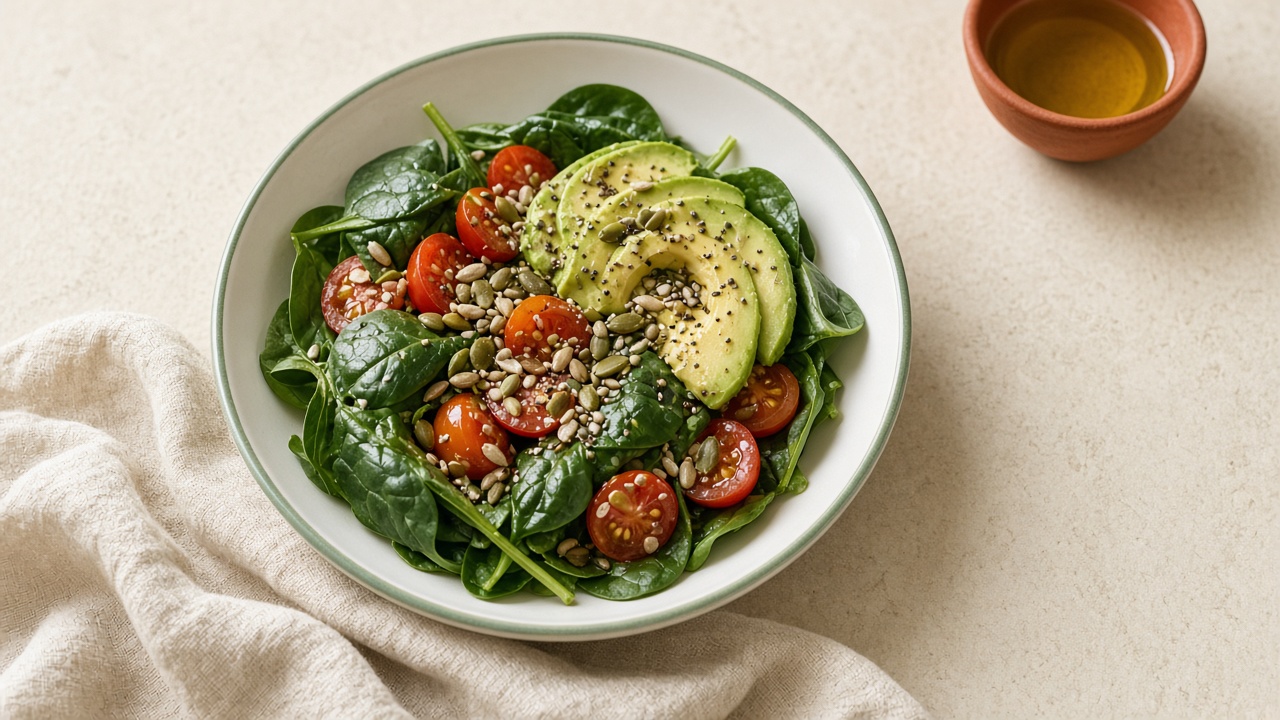
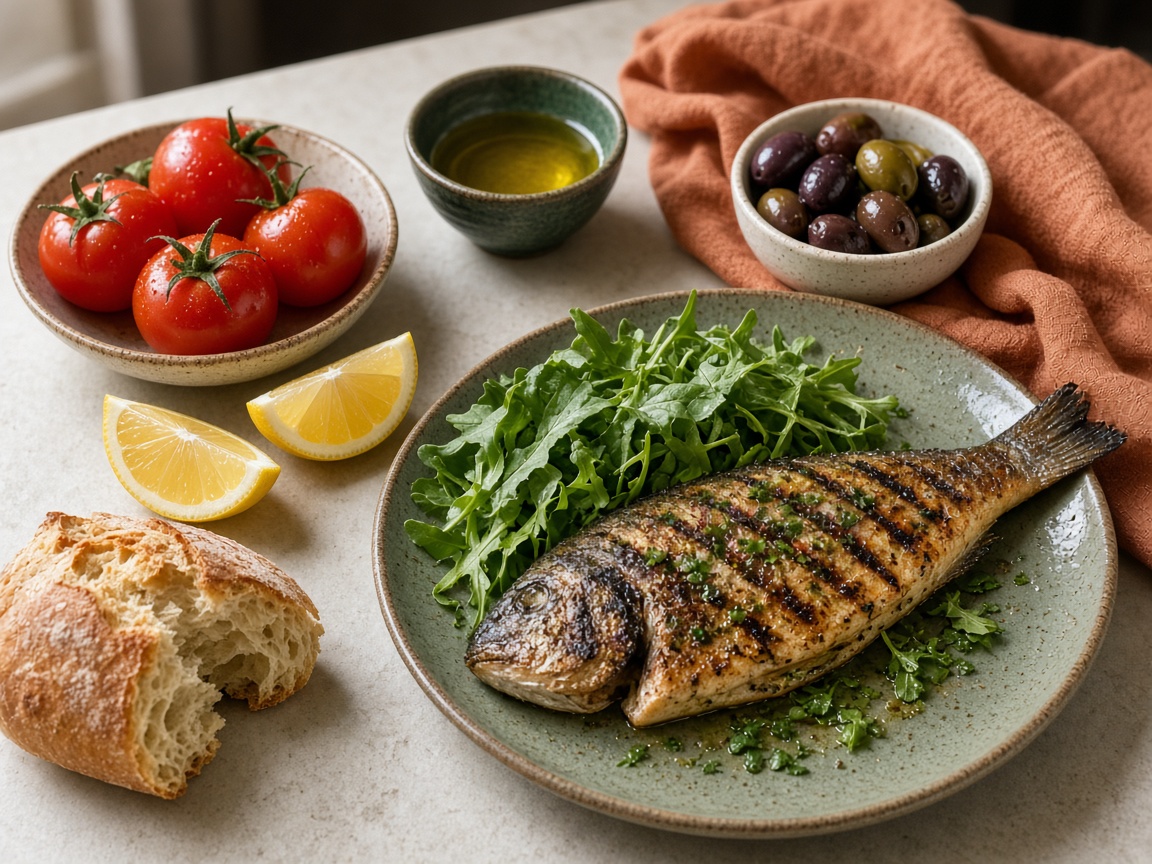
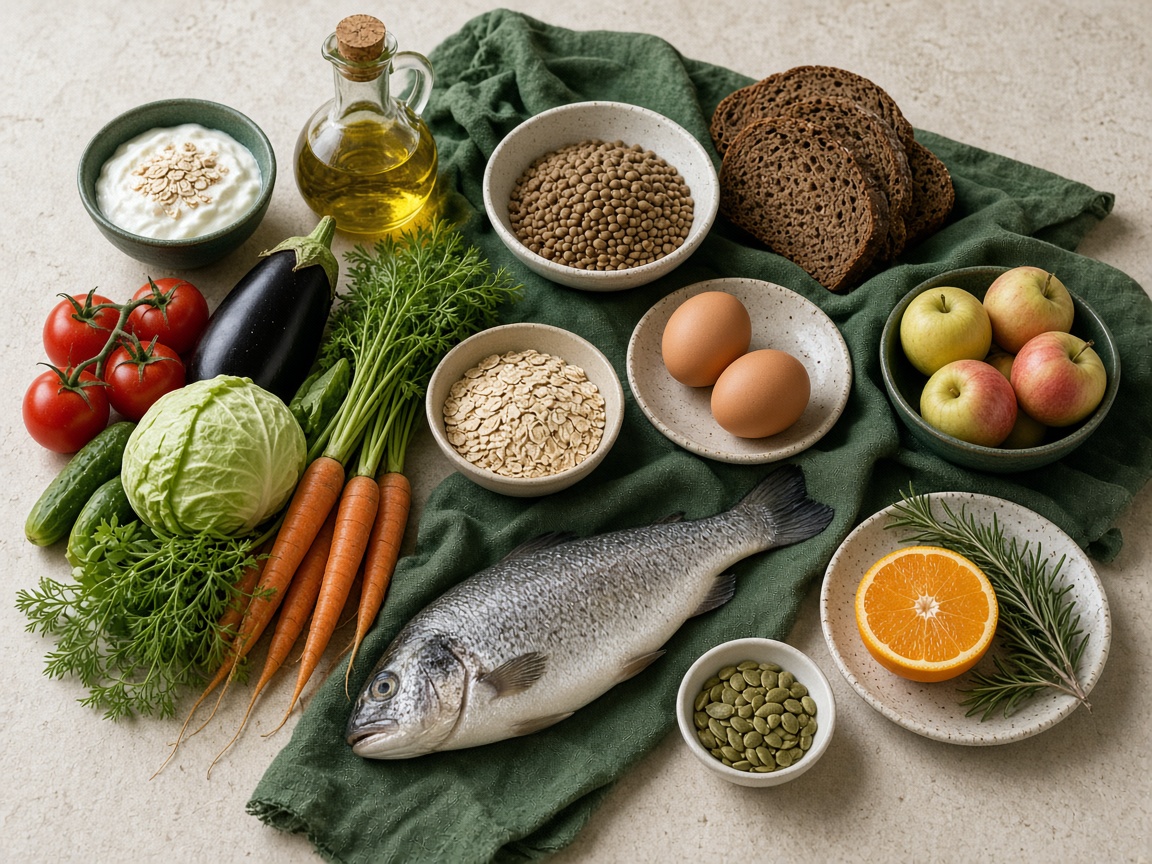
A home cuisine might be a bean soup, a porridge of whole grain, fish with vegetables, or a stew cooked in vegetable oil. Those dishes already meet the MyPlate groups when fruits and vegetables take half the plate, half of grains are whole, protein is varied, and dairy is low-fat or fat-free or replaced by fortified soy. The document does not rank countries and does not demand a tourist set of foods.
Budget is named in the same sentence as part of the shaping: oats, beans, seasonal or frozen vegetables, and ordinary vegetable oil can hold the pattern without an expensive list. The habit of cooking a familiar dish is stronger than an attempt to start a second, punishing menu. A week log shows whether the home food stayed inside the limits or the name of a cuisine covered a sugary drink and extra salt.
Which limits do not move house
From age 2, added sugars stay under 10% of calories, saturated fat under 10%, and sodium under 2300 mg a day. A sugary drink, a dessert every evening, and a very salty snack spend those lines whether or not the recipe is a family one. Drinking less is better than drinking more, and not drinking is an option: a cultural habit of alcohol does not cancel that sentence of the guidelines.
The WHO fact sheet adds its own shares, and they also stay with any cuisine: free sugars under 10% of energy, below 5% for further benefit, fat under 30%, saturated fat under 10%, trans fat under 1%, and salt under 5 g a day. Fruit and vegetables at or above 400 g a day can be the ones that grow nearby and cost less, not only the ones on a cover. Unsaturated fat, fish, avocado, nuts, and vegetable oil, is preferable to saturated fat and industrial trans fat, however familiar a fatty cut may be.
The salt in familiar dishes
Many home cuisines salt, smoke, or pickle food, and that habit shows up in sodium and in salt rather than being cancelled by love of the recipe. The DASH plan, built for blood pressure, also places vegetables, fruit, whole grains, and a less salty logic beside sodium of 2300 mg or a 1500 mg version. This article does not choose between those milligrams for a person who is already treated.
If blood pressure or another illness is already under treatment, the home cuisine is not rebuilt from a paragraph. The clinician remains the person who says whether salt changes on top of medicines. The pattern of vegetables, grain, and less fatty protein can still be discussed as food, not as a homemade prescription.
Two or three habits, not a new personality
CDC suggests specific goals and asks that they be taken two or three at a time, not that a whole identity change over a weekend. Examples from that text, water instead of a sugary drink, a 15-minute walk, a vegetable with supper, land on a home cuisine without renaming supper. A setback is expected, and a return to a familiar dish with a vegetable is more honest than shame and a new list of bans.
The reward is not food, or the prize breaks the very habit one hoped to keep. Sleep, stress, and medicines also affect weight, so one week of the family table does not have to explain every swing of the scale. Fiber of at least 25 g a day from food often arrives from one's own porridge, one's own soup, and one's own fruit, if they were not thrown out for someone else's plan.
What this text draws on
- Dietary Guidelines for Americans, 2020–2025, and USDA MyPlate: a nutrient-dense pattern shaped by culture and budget; added sugars <10% of calories from age 2; saturated fat <10%; sodium <2,300 mg/day; half the plate fruits and vegetables; half of grains whole; varied protein foods; low-fat or fat-free dairy or fortified soy. Drinking less is better than drinking more; not drinking is an option.
- WHO Healthy diet fact sheet: energy intake in balance with expenditure; fruit and vegetables ≥400 g/day; free sugars <10% of energy (below 5% for further benefit); fat <30%; saturated fat <10%; trans fat <1%; salt <5 g/day; unsaturated fats (fish, avocado, nuts, vegetable oils) preferred to saturated and industrial trans fats.
- CDC, Steps for Losing Weight (January 17, 2025): a gradual pace of about 1 to 2 pounds a week is more likely to be kept than quicker loss; losing 20 pounds in 2 weeks is the example of an unrealistic goal. Modest loss, CDC’s example: 5% of 200 pounds is 10 pounds, can improve blood pressure, cholesterol, and blood sugar and could lower risk of heart disease, prediabetes, and type 2 diabetes — not a personal guarantee. Log food and drinks, activity, sleep, and stress. Goals are specific, two or three at a time; examples include water instead of a sugary drink, a 15-minute walk, a vegetable with supper. Setbacks are expected. Rewards are not food. Medicines, illness, stress, genes, hormones, environment, and age affect weight. Weight and medicine questions go to a clinician. Medicines and bariatric surgery are clinical options, not DIY.
- WHO carbohydrate guideline, 2023: at least 25 g of fiber a day for adults, from food.
- NHLBI DASH Eating Plan: vegetables, fruits, whole grains, low-fat dairy, fish, poultry, beans, nuts, vegetable oils; less fatty meat, sweets, and sugary drinks; sodium 2,300 mg or a 1,500 mg version. Studied for blood pressure, not as a crash plan and not as permission to eat everything.
A short paraphrase of open guides and reviews (WHO, national recommendations, peer‑reviewed summaries). Not a quotation and not a treatment protocol.
Short answers
Does a national cuisine have to be replaced to meet the guidelines?
No. The American guidelines explicitly ask that culture and budget shape the pattern. What changes is not the name of the cuisine but the shares of sugar, saturated fat, and sodium, and the share of vegetables, fruit, and whole grains.
Does a family recipe automatically fit the salt and sugar limits?
No. Familiarity does not cancel sodium under 2300 mg, salt under 5 g, and free sugars under 10% of energy. The dish can stay, and the drink, the dessert, and the salty part can still be seen.