Treats at the office
Treats that coworkers put on a shared table are part of the environment, and CDC includes environment among the things that change weight. The reply in the spirit of that page is an option brought ahead of time, not a test of will once the box is already open.
The office is the environment, not character
CDC lists environment beside medicines, illness, stress, genes, hormones, and age. A shared table, someone else’s schedule, and the habit of marking small occasions with food are that kind of environment. A sweet that was eaten in this frame does not prove a weak character and does not cancel the rest of the week.
The page calls setbacks expected. A day when the box was opened anyway does not call for punitive hunger and is not repaired with a reward of still more food: at CDC the reward is not food. The next move is a return to two or three specific goals, not a story about oneself as a person without discipline.
Your own option instead of someone else’s box
Goals on the page are specific, and there are two or three at a time. For the shared table, such a goal is simple: bring an option that was already chosen at home. It is the same kind of move as water instead of a sugary drink or a vegetable with supper, carried to the place where sweets appear unasked.
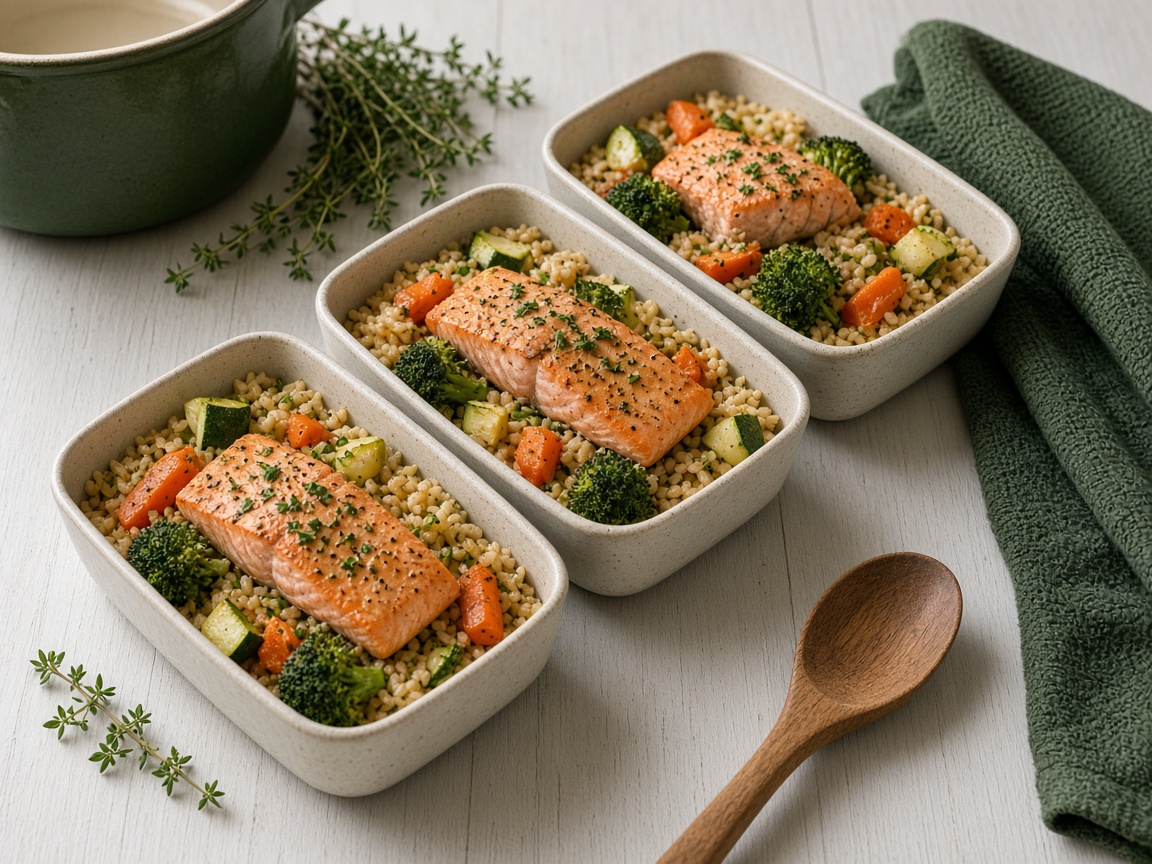
The option can be a piece of fruit toward at least 400 g of fruit and vegetables a day, or an ordinary meal from home that the person was going to eat anyway. It does not have to be a special “diet” product. The point is that the choice was made before the box, not in the second when the treat is already smelling.
Sweets still sit inside the limits
WHO keeps free sugars under 10% of energy and calls a level below 5% a further benefit. A sweet and a piece of baking from the shared table enter that share together with drinks, and they do not live in a separate “office” category. Added sugars in the Dietary Guidelines are also under 10% of calories from age 2.
Fat under 30% of energy and saturated fat under 10% apply to biscuits and cream no less than to supper at home. Logging the treat under its own name is more useful than hiding it as “it does not count, it was someone else’s.” Energy balance compares all intake with expenditure, including what was eaten standing by the printer.
One box does not wreck the week
A gradual pace of about 1 to 2 pounds a week is more likely to be kept than a quicker loss, and it is not erased by one sweet. Losing 20 pounds in 2 weeks remains the example of an unrealistic goal, not a punishment to assign after the office table. The day’s log shows the treat beside the rest of the food, and that is enough for the week to be visible.
If the table of food is tied to a medicine, to stress the person is already logging, or to a question that shame only muddles, a clinician is more fitting than a new ban on going to work. The page does not hand medicines over to do-it-yourself use. Two or three goals can be gathered again on the next ordinary day, without waiting for a “clean Monday.”
What this text draws on
- CDC, Steps for Losing Weight (January 17, 2025): a gradual pace of about 1 to 2 pounds a week is more likely to be kept than quicker loss; losing 20 pounds in 2 weeks is the example of an unrealistic goal. Modest loss, CDC’s example: 5% of 200 pounds is 10 pounds, can improve blood pressure, cholesterol, and blood sugar and could lower risk of heart disease, prediabetes, and type 2 diabetes — not a personal guarantee. Log food and drinks, activity, sleep, and stress. Goals are specific, two or three at a time; examples include water instead of a sugary drink, a 15-minute walk, a vegetable with supper. Setbacks are expected. Rewards are not food. Medicines, illness, stress, genes, hormones, environment, and age affect weight. Weight and medicine questions go to a clinician. Medicines and bariatric surgery are clinical options, not DIY.
- WHO Healthy diet fact sheet: energy intake in balance with expenditure; fruit and vegetables ≥400 g/day; free sugars <10% of energy (below 5% for further benefit); fat <30%; saturated fat <10%; trans fat <1%; salt <5 g/day; unsaturated fats (fish, avocado, nuts, vegetable oils) preferred to saturated and industrial trans fats.
- Dietary Guidelines for Americans, 2020–2025, and USDA MyPlate: a nutrient-dense pattern shaped by culture and budget; added sugars <10% of calories from age 2; saturated fat <10%; sodium <2,300 mg/day; half the plate fruits and vegetables; half of grains whole; varied protein foods; low-fat or fat-free dairy or fortified soy. Drinking less is better than drinking more; not drinking is an option.
A short paraphrase of open guides and reviews (WHO, national recommendations, peer‑reviewed summaries). Not a quotation and not a treatment protocol.
Short answers
What helps when coworkers bring sweets?
The office environment is among the things CDC says change weight. A specific goal is to bring an option chosen ahead of time, in the same spirit as water instead of a sugary drink. One sweet that was eaten does not call for a punishment day.
Does every treat have to be refused for the week to count?
No. The free-sugar limit is a share of energy, not a vow never to touch a piece. The treat is logged, goals stay at two or three, and a setback is expected and is not treated with hunger.