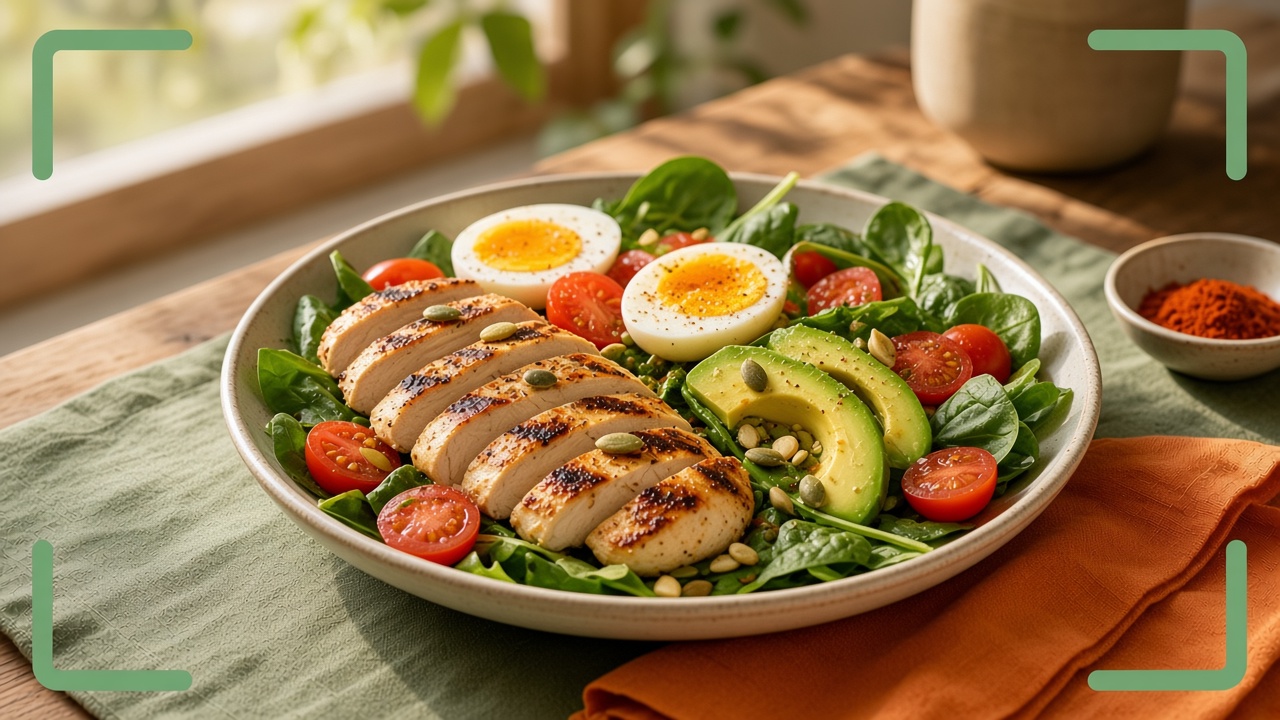
Water instead of a sugary drink is an example of a goal, not a treatment
Among the CDC’s specific goals is water instead of a sugary drink. It is one of two or three goals, beside 15 minutes of walking and a vegetable with supper. It is not a treatment for diabetes and not a quota of liters.
What is replaced
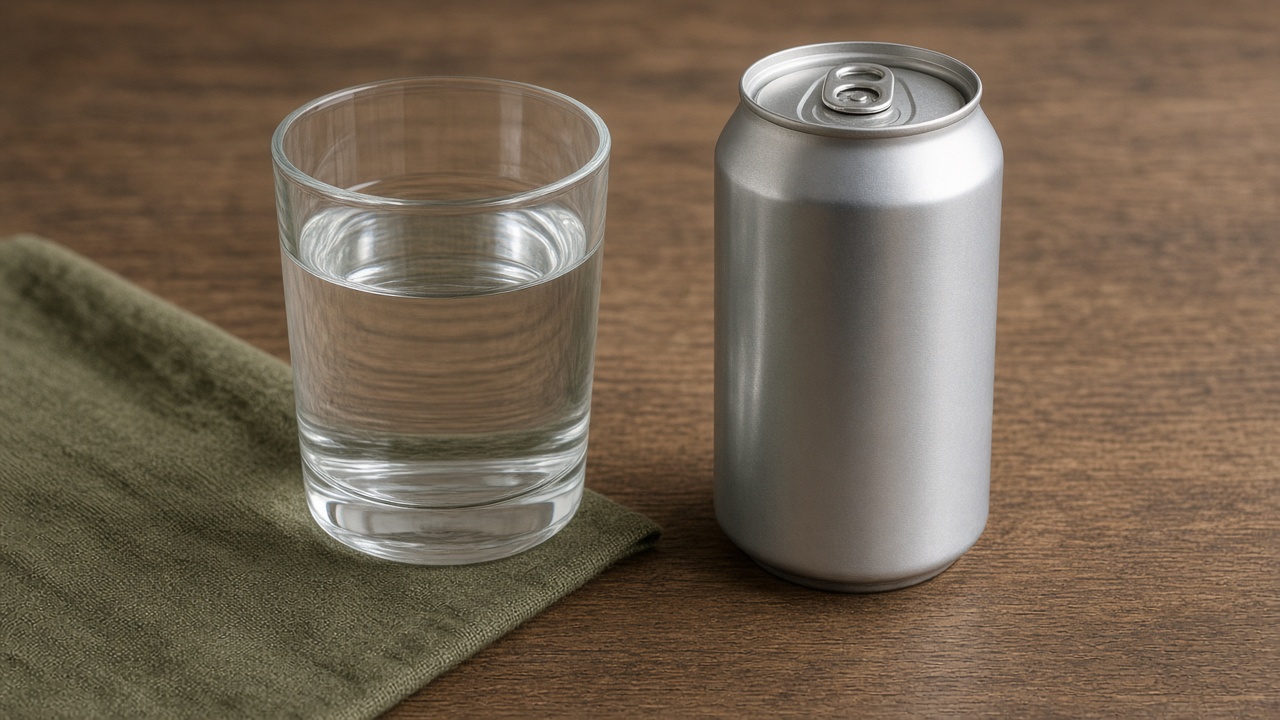
What is replaced is a sugary drink, not the whole day’s food. Free sugars at WHO are limited to 10 percent of energy, and below 5 percent there is additional benefit. Water helps not to fill that share from a glass. It does not zero the sugar already in food, and it does not replace 400 g of vegetables.
WHO does not advise a sweetener instead of sugar for weight control. The CDC goal is water, not a packet. The conditional recommendation on sweeteners does not apply to people with existing diabetes. This article does not prescribe them a swap.
There are no liters in the example
The source does not say “eight glasses.” It speaks of a swap inside a specific goal. Adding a liter quota would be an invention. If a person drinks water and the sugary drink remains, the swap did not happen, however full the jug is.
Alcohol is not named as this goal. “Drink less” in the Dietary Guidelines is about alcohol, and not drinking is an option. Water instead of something sugary is about a sugary drink. The two sentences do not trade places.
A drink in the record is food, if it is not the water counter
In ScanDish, juice, a sugary drink, and alcohol go as food, not as the water counter. A photo of such a glass is a draft of a meal until the person confirms the day. Water as a swap can be a note of a goal, not a calorie line, if that is how the person keeps it.
A draft does not know whether it was “instead.” The word “instead” appears only if the person sees that the sugary glass was absent. A picture of water alone does not prove the swap.
The goal does not pay for the rest of the sugar
One day of water does not raise the ceiling of free sugars. 10 percent stays a ceiling, not a reward. The CDC reward is not food. A setback is expected: if the sugary drink returns, that is a missed goal, not a reason to tighten hunger.
15 minutes of walking do not fulfill this swap. A vegetable does not either. The three examples stand apart so they are not glued into “I did well today” with no trace.
What this text draws on
- CDC, Steps for Losing Weight (January 17, 2025): a gradual pace of about 1 to 2 pounds a week is more likely to be kept than quicker loss; losing 20 pounds in 2 weeks is the example of an unrealistic goal. Modest loss, CDC’s example: 5% of 200 pounds is 10 pounds, can improve blood pressure, cholesterol, and blood sugar and could lower risk of heart disease, prediabetes, and type 2 diabetes — not a personal guarantee. Log food and drinks, activity, sleep, and stress. Goals are specific, two or three at a time; examples include water instead of a sugary drink, a 15-minute walk, a vegetable with supper. Setbacks are expected. Rewards are not food. Medicines, illness, stress, genes, hormones, environment, and age affect weight. Weight and medicine questions go to a clinician. Medicines and bariatric surgery are clinical options, not DIY.
- WHO Healthy diet fact sheet: energy intake in balance with expenditure; fruit and vegetables ≥400 g/day; free sugars <10% of energy (below 5% for further benefit); fat <30%; saturated fat <10%; trans fat <1%; salt <5 g/day; unsaturated fats (fish, avocado, nuts, vegetable oils) preferred to saturated and industrial trans fats.
- WHO non-sugar sweeteners guideline, 15 May 2023: conditional recommendation not to use NSS to control weight or reduce NCD risk. The review found no long-term benefit for body fat in adults or children. Possible undesirable links with type 2 diabetes, cardiovascular disease, and mortality may be confounded. Does not apply to people with existing diabetes, to polyols, or to toothpaste, creams, and medicines. The list includes acesulfame K, aspartame, stevia, sucralose, and other NSS.
A short paraphrase of open guides and reviews (WHO, national recommendations, peer‑reviewed summaries). Not a quotation and not a treatment protocol.
Short answers
How many liters of water are required?
There are no liters in this CDC example. There is a swap: water instead of a sugary drink, as one specific goal.
Does a sweetener do instead of water?
The goal in the example is water. WHO does not advise non-sugar sweeteners for weight control. A packet is not prescribed by this page.