Activity in the day’s log is a separate line from the plate
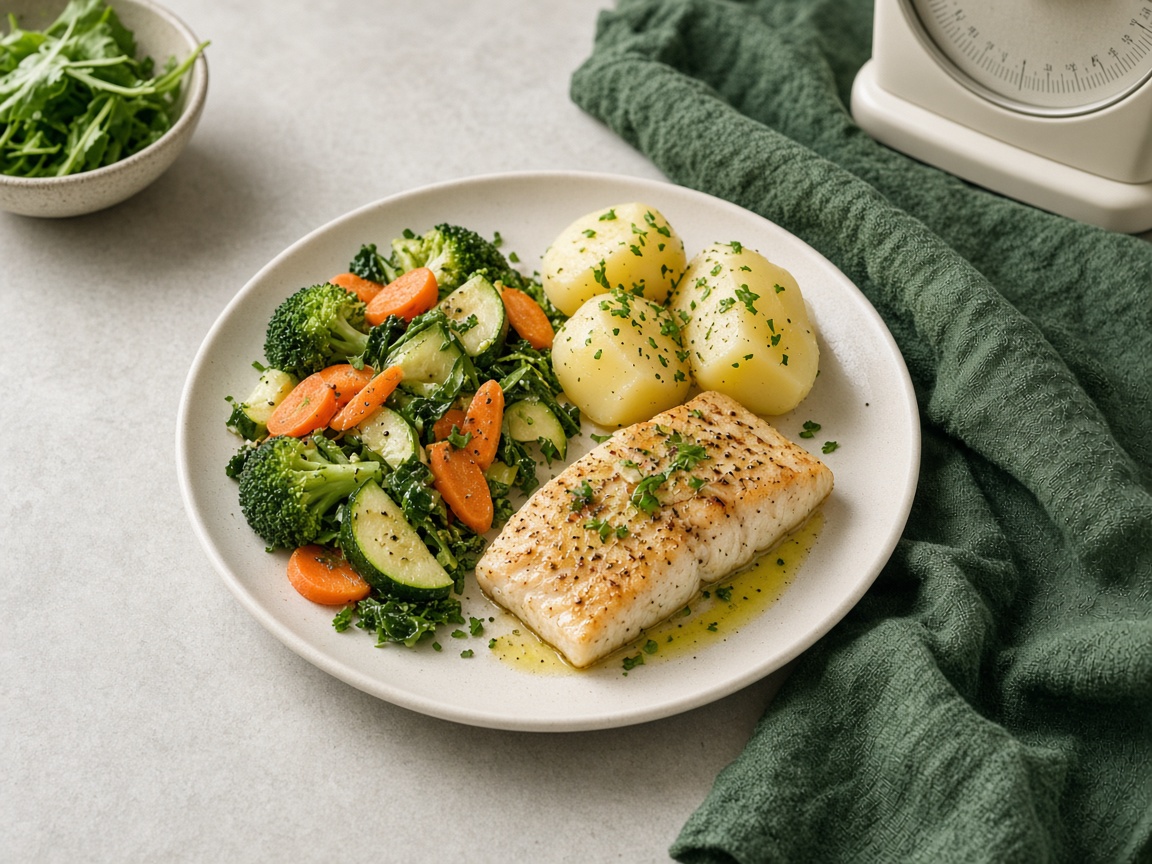
CDC puts food and drinks, activity, sleep, and stress in one week, and does not stir them into one figure. A photo of food answers only for the plate. Minutes of walking, a strength day, and balance work from age 65 do not fit in that photo, and the bot does not pull them out of the picture.

What the person confirms, and what they do not
In ScanDish a photo, text, or voice becomes a draft of calories and macros. A food line enters the diary when the person chooses the meal and the day. Before that choice it is not yet an entry. Water goes to its own counter, not a food line.
None of those steps has a field for “minutes of walking” inside the plate’s calories. Activity, if it is written, is written as your own note on the day: whether it happened, how long it lasted, whether it was moderate work, vigorous work, or strength. The note does not shrink the draft.
Which words in the note match the source
What matches is duration and the kind of line: moderate minutes toward the range of 150–300 a week, vigorous minutes toward 75–150, strength toward two or more days. From age 65 the note may also hold balance and coordination, on three or more days, and that is not a fourth calorie figure for supper.
What does not match the source is a pulse, a step count as a quota, and “calories burned.” They do not have to be invented for the sake of completeness. CDC’s example of a specific goal — 15 minutes of walking — is exactly that kind of note: short and checkable. Two or three goals at a time, not a rebuild of a whole life on Monday.
Sleep and stress are not food either
CDC includes them in the same picture of the week. A bad night does not prove that the plate “failed,” and it is not a reason to cross out supper. Stress on that line is part of the picture, not a verdict on character. Goals stay specific: water instead of a sugary drink, a walk, a vegetable with supper.
A setback is expected in food and in movement separately. A missed walk is not paid for with a missed supper. The reward is not food. If tracking weight or food is already doing harm, the CDC page talks about support from another person or a clinician.
Why have two lines at all
So the week can be read. One column shows whether food was logged honestly, including oil and a drink. The other shows whether the days are closer to the WHO and CDC minutes or whether the day was spent sitting. Together they do not add up to one “score for the person.”
The resting equation and the product’s factor stay a third conversation: a draft of a target, not a measurement of the plate or of the walk. Mixing the three conversations is the usual mistake, which is why they are kept side by side and not in one cell.
What this text draws on
- CDC, Steps for Losing Weight (January 17, 2025): a gradual pace of about 1 to 2 pounds a week is more likely to be kept than quicker loss; losing 20 pounds in 2 weeks is the example of an unrealistic goal. Modest loss, CDC’s example: 5% of 200 pounds is 10 pounds, can improve blood pressure, cholesterol, and blood sugar and could lower risk of heart disease, prediabetes, and type 2 diabetes — not a personal guarantee. Log food and drinks, activity, sleep, and stress. Goals are specific, two or three at a time; examples include water instead of a sugary drink, a 15-minute walk, a vegetable with supper. Setbacks are expected. Rewards are not food. Medicines, illness, stress, genes, hormones, environment, and age affect weight. Weight and medicine questions go to a clinician. Medicines and bariatric surgery are clinical options, not DIY.
- WHO Physical activity fact sheet: adults 18–64 at least 150–300 minutes of moderate aerobic activity a week, or 75–150 minutes vigorous, plus muscle-strengthening on 2 or more days; some activity is better than none; sedentary time should be limited. From age 65, the same plus balance and coordination on 3 or more days.
A short paraphrase of open guides and reviews (WHO, national recommendations, peer‑reviewed summaries). Not a quotation and not a treatment protocol.
Short answers
Does the bot log a workout from a photo of food?
No. The photo becomes a draft of the plate. Minutes of activity do not enter that draft’s calories and are not read from the picture.
What should you write about activity if you have no pulse and no steps?
Whether it happened, how many minutes it lasted, and which of the source’s lines it is closer to: moderate, vigorous, or strength. That is enough to check against the week.