These sources do not set a before-and-after workout window
The pages used here judge energy by the balance of intake and expenditure, and protein by a daily figure for adults. They contain no window in minutes before a session and after it, and this article does not assign one.

The protein figure the source does contain
FAO/WHO/UNU, 2007, names a safe protein level for adults of 0.83 g per kg of body weight per day. That is a population figure. The text sets it apart from a muscle-gain plan. Kidney disease changes the conversation through a clinician, and this article does not prescribe a supplement dose.
The figure is for the day. This page does not split it into “a portion 30 minutes before” and “a portion right after.” If such a timetable exists in other books, it is not on the sheets this paraphrase stands on.
Energy is not counted in half-hours either
WHO speaks of energy in balance with expenditure for a stable weight, and of limits on the share of fat, free sugars, and salt. A sugary drink taken “because there was a workout” still occupies the free-sugar share. The fact sheet does not make an exception for it during a session.
CDC asks for both food and activity to be written down. The log answers what was eaten. It does not excuse what was eaten by how close it sat to a workout. The reward for a session should not be food: that is a separate sentence on the same page.
Strength days do not create a special menu
Two or more strength days a week are a WHO and CDC line. The line has no exercise name, no barbell weight, and no grams of food for that day. A day with strength work stays a day under the same limits on sugar, salt, and fat as a day without it.
The Mifflin estimate of rest does not see whether there was a gym today either. It gathers weight, height, age, and the profile constant. The 1990 paper does not allow it to be confused with “an add-on for training”: it is not a measurement of what was eaten and not a prescription.
What you can do without a window
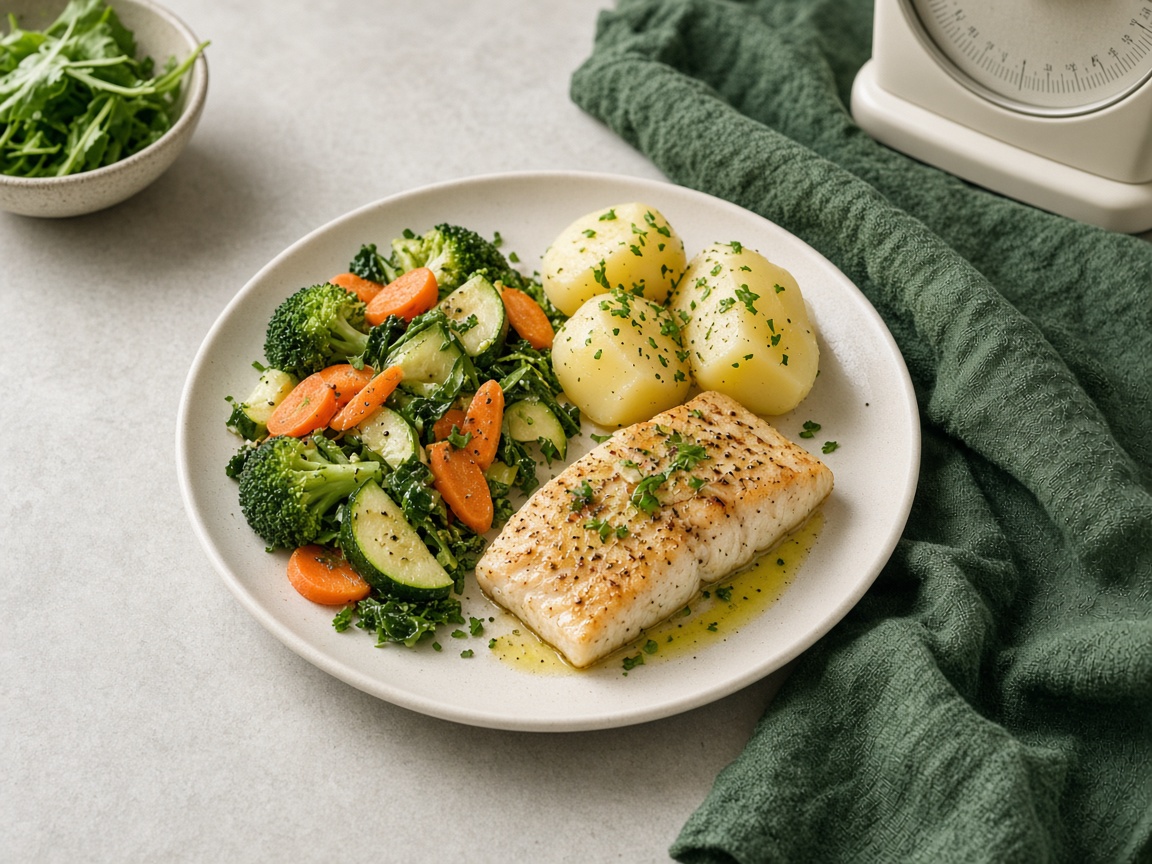
Eat an ordinary plate that has a protein food and vegetables, and log it as it was, including oil and a drink. Separately log whether there was strength or aerobic work and how long it lasted. That is enough for the week to be readable.
If appetite, kidneys, pregnancy, or a limit already set change what you eat, that is a conversation with a clinician, not a reason to build a window out of this article. Teens do not copy an adult timetable from here: CDC keeps youth weight questions apart from the adult page.
What this text draws on
- FAO/WHO/UNU, 2007: the safe protein level for adults is 0.83 g per kg body weight per day. A population figure, not a muscle-gain plan. Kidney disease changes it through a clinician.
- WHO Healthy diet fact sheet: energy intake in balance with expenditure; fruit and vegetables ≥400 g/day; free sugars <10% of energy (below 5% for further benefit); fat <30%; saturated fat <10%; trans fat <1%; salt <5 g/day; unsaturated fats (fish, avocado, nuts, vegetable oils) preferred to saturated and industrial trans fats.
- CDC, Steps for Losing Weight (January 17, 2025): a gradual pace of about 1 to 2 pounds a week is more likely to be kept than quicker loss; losing 20 pounds in 2 weeks is the example of an unrealistic goal. Modest loss, CDC’s example: 5% of 200 pounds is 10 pounds, can improve blood pressure, cholesterol, and blood sugar and could lower risk of heart disease, prediabetes, and type 2 diabetes — not a personal guarantee. Log food and drinks, activity, sleep, and stress. Goals are specific, two or three at a time; examples include water instead of a sugary drink, a 15-minute walk, a vegetable with supper. Setbacks are expected. Rewards are not food. Medicines, illness, stress, genes, hormones, environment, and age affect weight. Weight and medicine questions go to a clinician. Medicines and bariatric surgery are clinical options, not DIY.
A short paraphrase of open guides and reviews (WHO, national recommendations, peer‑reviewed summaries). Not a quotation and not a treatment protocol.
Short answers
Is there a protein target before and after a workout here?
No. There is a daily figure of 0.83 g per kg for adults, and it is not a muscle-gain plan and it is not split into minutes around a session.
Does a sugary drink after training not count?
It counts. Free sugars sit in the share of energy, and the source makes no exception because the drink followed a session.