
A photo does not replace a scale
In ScanDish a photo stays a draft, not grams, until the person confirms both the meal and the day. The picture has no accuracy percent, and this article does not assign one.
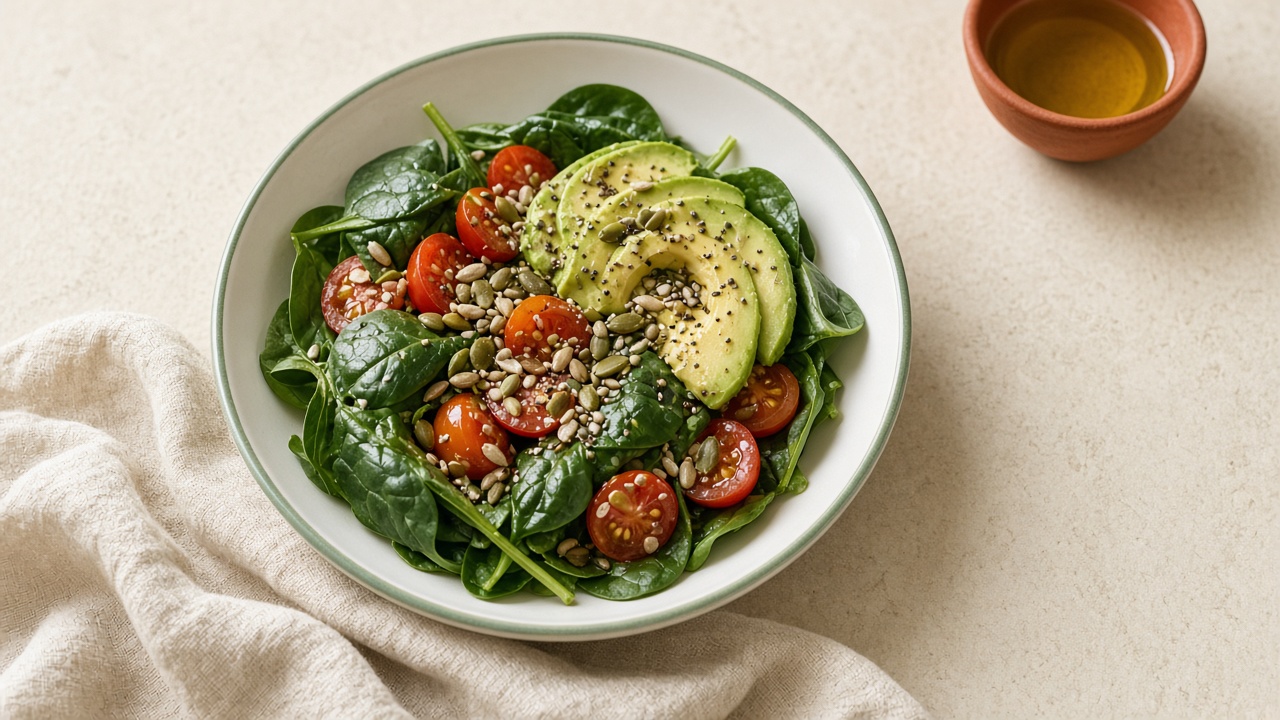
A picture does not weigh
A photo shows how the plate looks, not its mass. A FoodData Central guide starts from 100 g and from a real weight, which the picture does not contain. Until there is a weight, there is no honest transfer of a row into the day’s record. Calling the image grams pretends the scale has already done its work.
Sauce, oil, and a drink are easy to lose in a picture: oil can be transparent, the drink can sit outside the frame, sauce can blend with the color of the plate. CDC wants food and drinks written down, because the log catches what happened, not a flattering look. A frame of vegetables does not prove there was no spoon of oil. That is another reason not to take the draft for a fact.
Confirming the meal
A ScanDish draft may suggest names, but a suggestion is not the same as what was eaten. The person confirms the meal: what it was, what the picture does not show, what stayed on the plate. Without that step the draft is still called a draft. Confirmation is the boundary between a guess and a record, not a decoration on the screen.
If the draft named the dish wrong, the name is corrected before the day is treated as closed. If a weight appeared in the draft without a scale, it is not kept out of politeness to the program. Grams come from weighing, or from a clear labeled serving where a package really was there. A picture does not replace a label, and a labeled serving is not always 100 g anyway.
Confirming the day
A single dish is not enough. The day includes other meals, drinks, and whatever happened with no photo. Until the person has confirmed the day, a set of pictures is not a diary. One confirmed breakfast does not close an unphotographed supper. ScanDish therefore keeps confirmation of both the meal and the day, not of one successful photograph.
An unconfirmed day cannot be quoted as a firm “this is what I ate.” The list has not yet received the person’s agreement. Agreement does not add a hidden accuracy the method does not have. It only says the person has accepted the list as their own or has corrected it.
Why there is no percent
The fact sheet contains no share of correct guesses from photos, and such a share must not be invented. Any accuracy figure would look like a measurement, when the measurement would have been a weight. This article will not say the draft is “usually close.” Closeness without a number is the same hint of a share, only in words.
The use of the picture is different. It reminds you that a plate was there, and it helps you not forget the sauce if you name the sauce yourself. A reminder is not a gram. A gram appears when the person has confirmed the contents and the amount, and the day is assembled as a whole. Until that minute the product’s record is a draft, and it is read as a draft.
What this text draws on
- CDC, Steps for Losing Weight (January 17, 2025): a gradual pace of about 1 to 2 pounds a week is more likely to be kept than quicker loss; losing 20 pounds in 2 weeks is the example of an unrealistic goal. Modest loss, CDC’s example: 5% of 200 pounds is 10 pounds, can improve blood pressure, cholesterol, and blood sugar and could lower risk of heart disease, prediabetes, and type 2 diabetes — not a personal guarantee. Log food and drinks, activity, sleep, and stress. Goals are specific, two or three at a time; examples include water instead of a sugary drink, a 15-minute walk, a vegetable with supper. Setbacks are expected. Rewards are not food. Medicines, illness, stress, genes, hormones, environment, and age affect weight. Weight and medicine questions go to a clinician. Medicines and bariatric surgery are clinical options, not DIY.
- USDA FoodData Central: guides per 100 g; brands differ. A dry-food row is not a cooked portion, because water changes the weight. Do not use a “rice triples” factor.
- FDA Nutrition Facts: energy is stated per labeled serving; a package can contain several servings. A labeled serving is not always 100 g.
A short paraphrase of open guides and reviews (WHO, national recommendations, peer‑reviewed summaries). Not a quotation and not a treatment protocol.
Short answers
Has the photo already counted the grams?
No. In ScanDish it is a draft until you have confirmed the meal and the day. The photo has no accuracy percent.
Is confirming one dish enough?
No. Both the meal and the day are confirmed. Other meals and drinks do not enter the record by themselves.


