A glass instead of food
A glass used in place of food does not assemble the shares of the plate: it is not a vegetable, not a grain, not a protein food, and not dairy. The Dietary Guidelines say it plainly: drinking less is better than drinking more, and not drinking is an option.

What does not appear on the plate
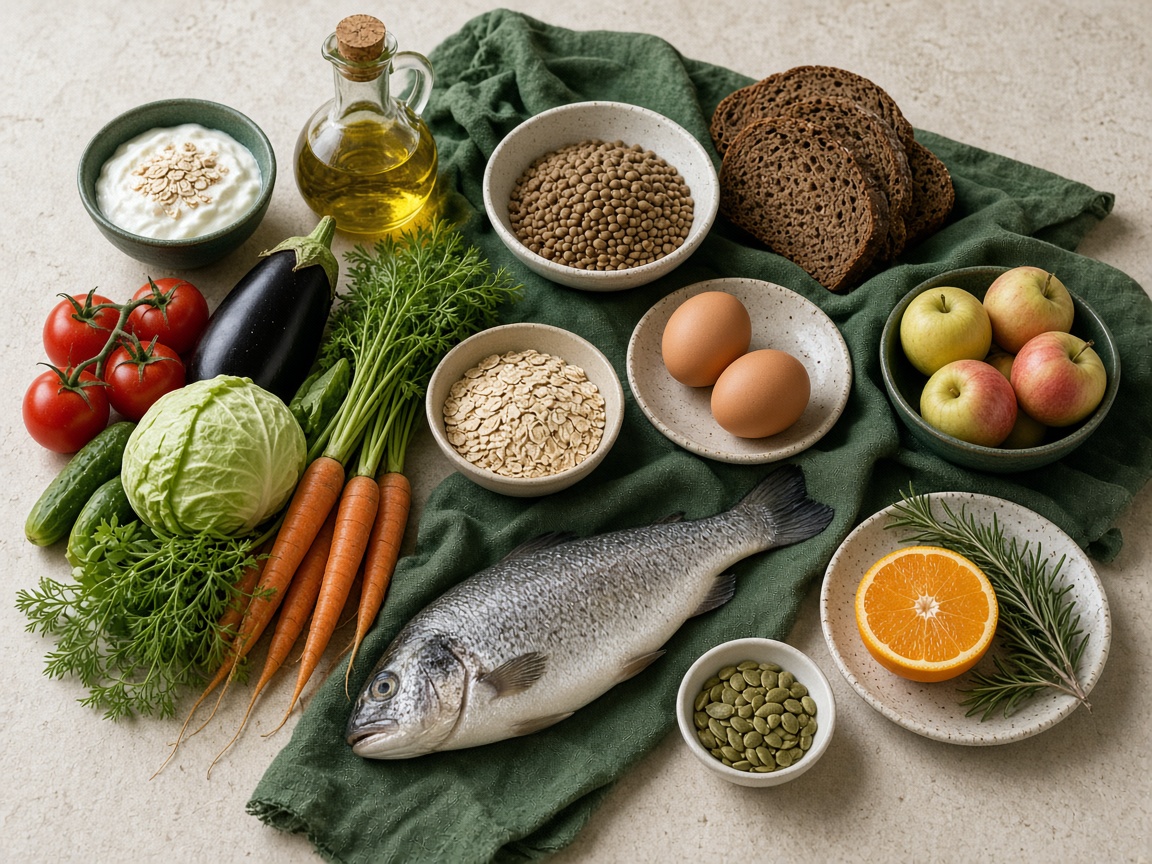
MyPlate keeps half the plate as fruits and vegetables, half of grains whole, protein foods varied, and dairy low-fat or fat-free or as fortified soy. A glass closes none of those parts. If it took the place of supper, the day simply did not receive the groups the guidelines have already listed.
The WHO fact sheet keeps fruit and vegetables at least at 400 g a day. A drink does not gather that sum. Fiber of at least 25 g for adults also comes from food, not from a glass. An evening that held only a drink leaves both lines empty, however familiar that looks.
Sugar beside the glass, and the drink itself
A sweet mixer, juice, or soda with the drink spends free sugars: under 10% of energy, under 5% for further benefit. Added sugars in the Dietary Guidelines stay under 10% of calories from age two. A glass with a sweet addition therefore touches two themes at once, and neither of them is a plate group.
This article does not prescribe an allowed volume and does not turn a serving into calories: those numbers are not in the texts cited here. What is said is different. Drinking less is better than drinking more, and skipping the drink is a normal option, not an unfinished diet. The CDC log includes drinks alongside food, so the glass does not remain a spoken aside.
The staying power a glass does not give
The safe protein level for adults is 0.83 g per kg of body weight per day, from food, not from a drink. That is a population guide, not a muscle plan. An evening without a protein food does not become light and correct because energy arrived as liquid. The next morning the plate still has to contain food.
If appetite after a glass is small, the vegetable and the grain are still not replaced with another drink. Among short goals, CDC names water instead of a sugary drink and a vegetable with supper. Those gestures return the groups the glass skipped. Hunger closed only with liquid is not described as a meal in the healthy-diet fact sheet.
One glass and the shape of the week
One drink at supper does not erase the week and does not repair it. If a glass often stands in place of food, a log of several days will show that better than the impression that one barely eats. CDC asks for a log of food, drinks, activity, sleep, and stress, and says setbacks are expected. The return is an ordinary next meal with food, not a penalty day.
Medicines, illness, stress, genes, hormones, environment, and age affect weight, and weight and medicine questions go to a clinician. A glass is not explained from this article by hormones and is not prescribed as a remedy. Salt and fat in the snack beside the drink still enter the daily limits: salt under 5 g, saturated fat under 10%. The snack does not become invisible because the main thing in the hand is a glass.
What this text draws on
- Dietary Guidelines for Americans, 2020–2025, and USDA MyPlate: a nutrient-dense pattern shaped by culture and budget; added sugars <10% of calories from age 2; saturated fat <10%; sodium <2,300 mg/day; half the plate fruits and vegetables; half of grains whole; varied protein foods; low-fat or fat-free dairy or fortified soy. Drinking less is better than drinking more; not drinking is an option.
- WHO Healthy diet fact sheet: energy intake in balance with expenditure; fruit and vegetables ≥400 g/day; free sugars <10% of energy (below 5% for further benefit); fat <30%; saturated fat <10%; trans fat <1%; salt <5 g/day; unsaturated fats (fish, avocado, nuts, vegetable oils) preferred to saturated and industrial trans fats.
- WHO carbohydrate guideline, 2023: at least 25 g of fiber a day for adults, from food.
- FAO/WHO/UNU, 2007: the safe protein level for adults is 0.83 g per kg body weight per day. A population figure, not a muscle-gain plan. Kidney disease changes it through a clinician.
- CDC, Steps for Losing Weight (January 17, 2025): a gradual pace of about 1 to 2 pounds a week is more likely to be kept than quicker loss; losing 20 pounds in 2 weeks is the example of an unrealistic goal. Modest loss, CDC’s example: 5% of 200 pounds is 10 pounds, can improve blood pressure, cholesterol, and blood sugar and could lower risk of heart disease, prediabetes, and type 2 diabetes — not a personal guarantee. Log food and drinks, activity, sleep, and stress. Goals are specific, two or three at a time; examples include water instead of a sugary drink, a 15-minute walk, a vegetable with supper. Setbacks are expected. Rewards are not food. Medicines, illness, stress, genes, hormones, environment, and age affect weight. Weight and medicine questions go to a clinician. Medicines and bariatric surgery are clinical options, not DIY.
A short paraphrase of open guides and reviews (WHO, national recommendations, peer‑reviewed summaries). Not a quotation and not a treatment protocol.
Short answers
Can a glass replace supper?
No. It is not a vegetable, not a grain, not a protein food, and not dairy. The plate of groups is not assembled.
Does a person have to drink for the pattern to be complete?
No. In the Dietary Guidelines, drinking less is better than drinking more, and not drinking is an option. The pattern is completed by food, not by a glass.