Sauce and salt
Sauce often carries more salt than the shaker a person touches on purpose. The WHO salt limit is less than 5 g a day, and the sodium limit in the American guidelines is less than 2,300 mg a day, and this article does not translate those lines into each other.
The sauce is louder than the shaker
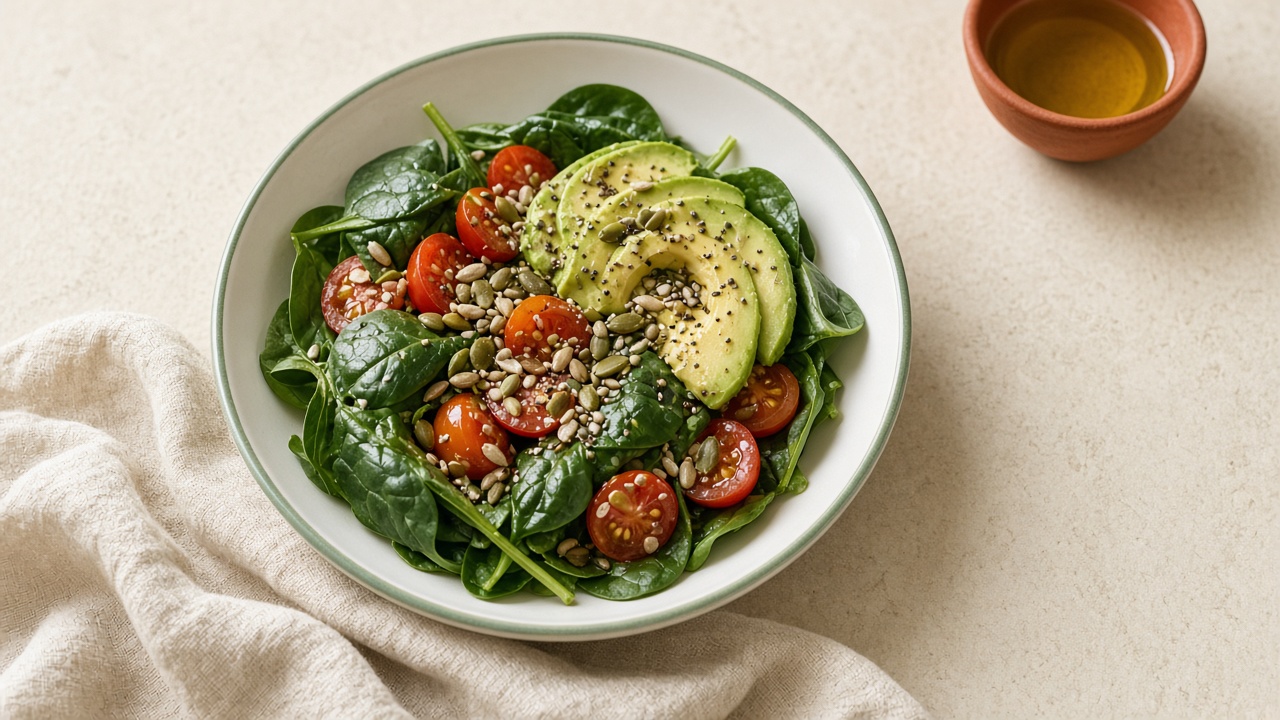
The shaker is visible, so it feels as if the day's salt begins there. In practice, sauce, brine, broth, bread, cheese, and a ready-made dish often bring salt before a person reaches for the shaker. The vegetable half can look exemplary at the same time: the greens are in place, and the salt is already in the dressing. MyPlate does not declare a sauce a vegetable merely because it covers a vegetable.
Logging the salad and forgetting the name of the dressing means describing a different plate. CDC asks for food and drinks to be logged, and sauce is food, even if it was poured by the spoon rather than served as its own side. A specific goal from those same steps can be narrow: name the sauce at lunch, rather than promising "less salt in general. " Two or three goals are kept at a time, not a dozen.
Grams of salt and milligrams of sodium
The WHO fact sheet speaks about salt: less than 5 g a day. The American guidelines speak about sodium: less than 2,300 mg a day. DASH names sodium at 2,300 mg or a 1,500 mg version. These are different wordings in different texts, in different units; the article does not treat grams of salt as milligrams of sodium and does not run the conversion the other way.
A salty sauce takes part in the WHO salt line as salt. The sodium line in the American guidelines lives separately and does not become "the same number in other words. " Adding 5 g and 2,300 mg into one sum is not possible: that creates a false precision the sources do not have. On a label, a person reads the quantity that is written there and does not replace it with the neighboring quantity from another document.
A plan studied for blood pressure
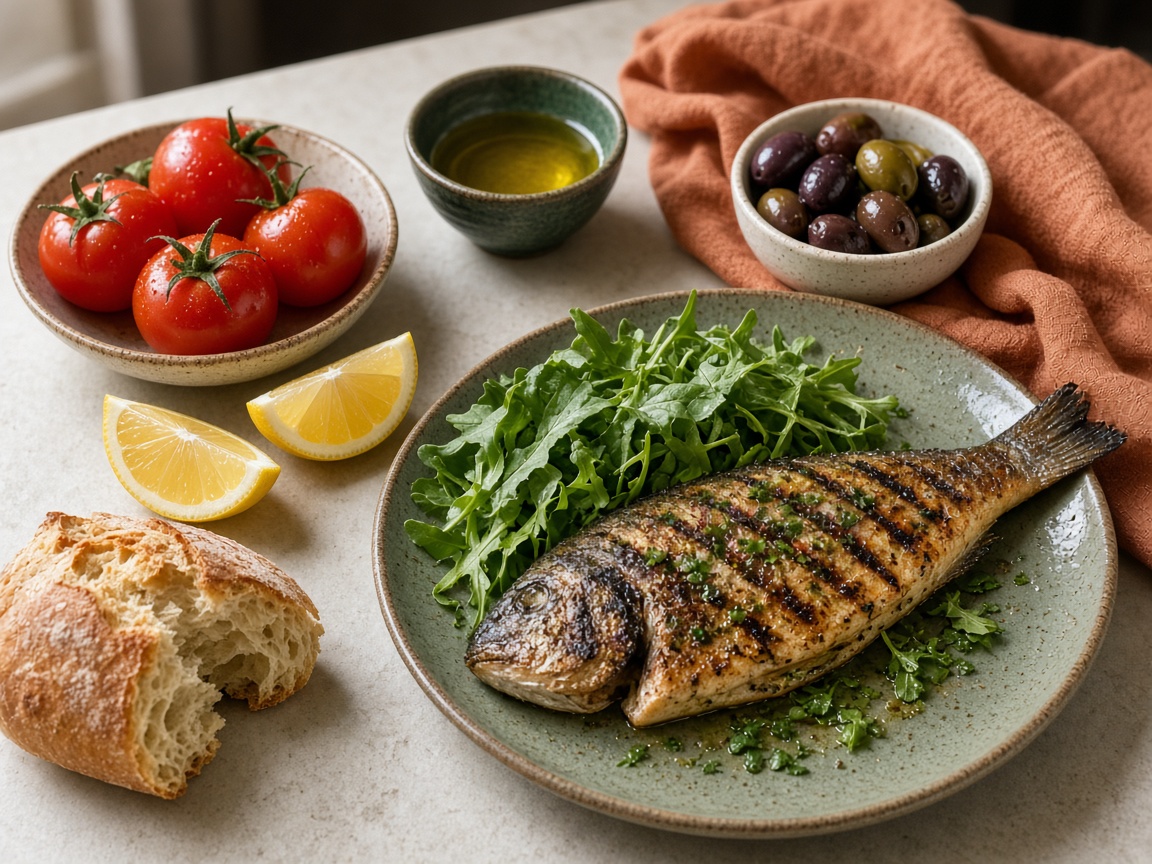
The DASH plan is built from vegetables, fruit, whole grains, low-fat dairy, fish, poultry, beans, nuts, and vegetable oils. It has less fatty meat, fewer sweets, and fewer sugary drinks. It was studied for blood pressure, not as a crash plan for weight and not as permission to eat everything. Sodium in the plan is 2,300 mg or a 1,500 mg version, and that is sodium again, not a retelling of five grams of salt.
In the DASH trial, a pattern higher in vegetables, fruit, and low-fat dairy and lower in saturated fat lowered blood pressure compared with a typical American control diet. This article does not give millimeters of mercury. The lowering in that comparison is not a personal guarantee and does not cancel the sauce on today's plate. The sauce still has to be named, or the plan and the lunch live in different worlds.
Write down what was poured
One heavily dressed meal can take a noticeable part of the day's salt, even if the shaker stayed shut. The article does not assign how many milligrams were in the spoon: without a label that figure is not known. What is known is that hidden salt counts together with the salt a person can see. A weekend of restaurant sauce and weekdays of home porridge cannot be described as one phrase, "I eat food that is not salty; "
Medicines, illness, stress, genes, hormones, environment, and age also affect weight, blood pressure, and how a person feels. Questions about weight, blood pressure, and medicines go to a clinician. Medicines and surgery are clinical options, not a do-it-yourself project with the sauce boat. A food log is material for a clear picture, not a substitute for a clinical conversation.
What this text draws on
- WHO Healthy diet fact sheet: energy intake in balance with expenditure; fruit and vegetables ≥400 g/day; free sugars <10% of energy (below 5% for further benefit); fat <30%; saturated fat <10%; trans fat <1%; salt <5 g/day; unsaturated fats (fish, avocado, nuts, vegetable oils) preferred to saturated and industrial trans fats.
- Dietary Guidelines for Americans, 2020–2025, and USDA MyPlate: a nutrient-dense pattern shaped by culture and budget; added sugars <10% of calories from age 2; saturated fat <10%; sodium <2,300 mg/day; half the plate fruits and vegetables; half of grains whole; varied protein foods; low-fat or fat-free dairy or fortified soy. Drinking less is better than drinking more; not drinking is an option.
- NHLBI DASH Eating Plan: vegetables, fruits, whole grains, low-fat dairy, fish, poultry, beans, nuts, vegetable oils; less fatty meat, sweets, and sugary drinks; sodium 2,300 mg or a 1,500 mg version. Studied for blood pressure, not as a crash plan and not as permission to eat everything.
- DASH, Appel et al., NEJM 1997: a pattern higher in vegetables, fruit, and low-fat dairy and lower in saturated fat lowered blood pressure compared with a typical American control diet. Do not give millimeters of mercury.
- CDC, Steps for Losing Weight (January 17, 2025): a gradual pace of about 1 to 2 pounds a week is more likely to be kept than quicker loss; losing 20 pounds in 2 weeks is the example of an unrealistic goal. Modest loss, CDC’s example: 5% of 200 pounds is 10 pounds, can improve blood pressure, cholesterol, and blood sugar and could lower risk of heart disease, prediabetes, and type 2 diabetes — not a personal guarantee. Log food and drinks, activity, sleep, and stress. Goals are specific, two or three at a time; examples include water instead of a sugary drink, a 15-minute walk, a vegetable with supper. Setbacks are expected. Rewards are not food. Medicines, illness, stress, genes, hormones, environment, and age affect weight. Weight and medicine questions go to a clinician. Medicines and bariatric surgery are clinical options, not DIY.
A short paraphrase of open guides and reviews (WHO, national recommendations, peer‑reviewed summaries). Not a quotation and not a treatment protocol.
Short answers
Are five grams of salt and 2,300 mg of sodium the same limit?
No. WHO speaks about salt in grams. The American guidelines and DASH speak about sodium in milligrams. This article neither translates nor adds those quantities.
If the shaker stayed shut, was the day without salt?
Not necessarily. Sauce, broth, bread, and cheese carry salt before the shaker does. The log names those as well, not only a pinch on top.