
How cooking changes calories
Boiling and baking add almost no energy. Frying, breading, and a sweet sauce add more than swapping one grain for another.
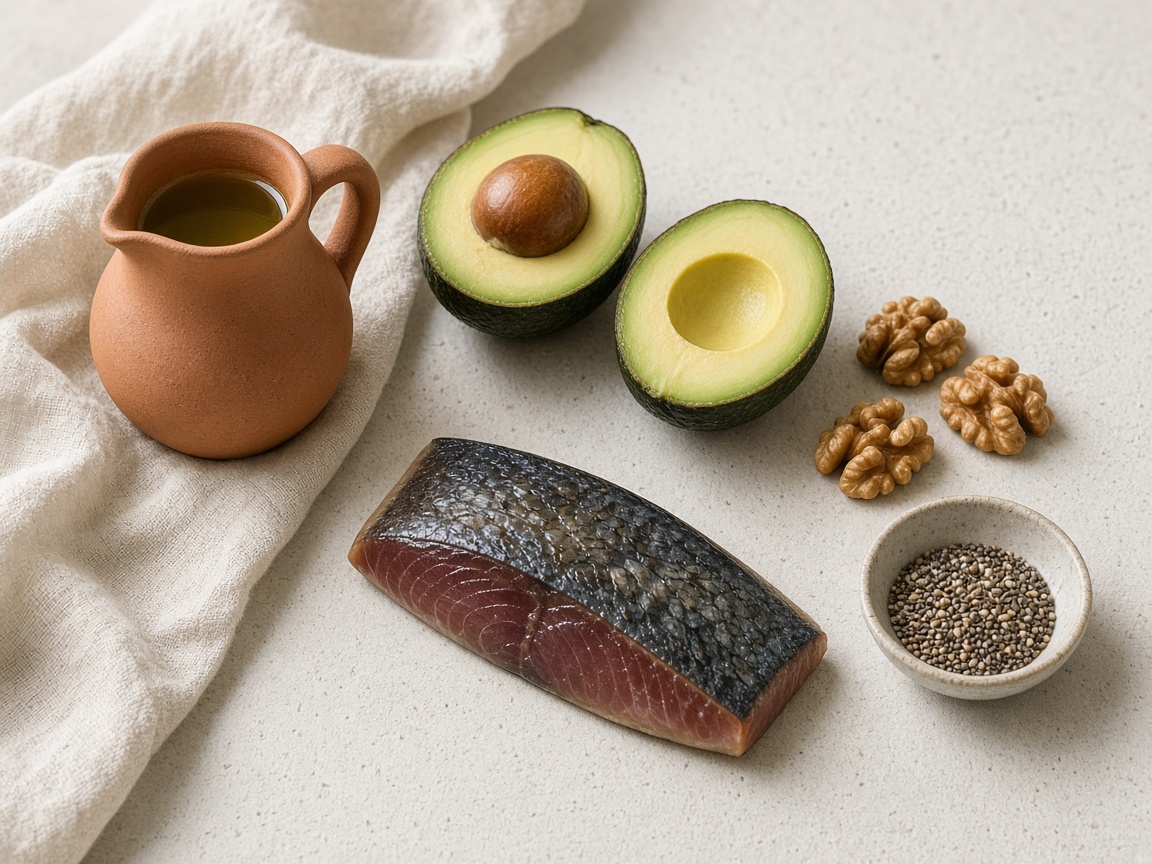
Almost no addition
Water, steam, baking without oil, a grill with a drop of oil. Vegetables stay light. Meat loses water and becomes denser per 100 g cooked, but the whole piece did not gain calories if there was no oil. A water-based soup is volume.
Boiled potato and fries are different foods. A table for boiled potato does not cover fries.
Where the calories appear
A spoon of oil in the pan, breading, a cap of cheese, cream in the sauce, sugar in a glaze. Write them into the whole recipe and divide by portions. “I barely fry” over a shiny pan is a common hole. A photo before the oil is wiped up with bread is more honest. The bread is food too.
What this text draws on
- WHO: Healthy diet fact sheet — sugars <10% energy, fat ≤30%, salt <5 g/day, vegetables and fruit.
- WHO carbohydrate guideline, 2023 (NCBI Bookshelf NBK594788) — fiber ≥25 g/day for adults.
- USDA and HHS: Dietary Guidelines for Americans (periodic editions).
A short paraphrase of open guides and reviews (WHO, national recommendations, peer‑reviewed summaries). Not a quotation and not a treatment protocol.
Short answers
A slow cooker or a frying pan?
The appliance does not decide it. Whether oil, sugar, or cream went in does.


