Waist as a reason to talk
NHLBI links a waist above 102 cm in men and above 88 cm in women with higher risk and explicitly leaves this short of a diagnosis. That circumference is a reason to talk with a clinician, not a reason to start a self-made rapid loss.

What the measurement says
The NHLBI waist assessment is simple: above 102 cm, or 40 inches, in men and above 88 cm, or 35 inches, in women is linked with higher risk. This is a marker for a conversation, not the name of a disease and not a sentence. The article adds no third threshold to these two and does not convert centimeters into a body-fat percent.
One centimeter under the threshold is not declared “health,” and one centimeter over is not declared a diagnosis. The threshold describes a link with risk in a population assessment. A person does not diagnose a disease from a tape and does not cancel a diagnosis already known because the tape read lower.
A conversation, not a race
The practical step after such a circumference is to take the question to a clinician, not to open a hungry week. CDC gives losing 20 pounds in 2 weeks as an example of an unrealistic goal, and a waist does not make that picture realistic. If loss is even discussed, a gradual pace of about 1 to 2 pounds a week is described as more likely to be kept than a fast one, and that is not a personal prescription from a centimeter.
Modest loss in the CDC example, 5% of 200 pounds, that is 10 pounds, can improve blood pressure, cholesterol, and blood sugar, and that is not a guarantee and not an assignment to “remove the waist.” The example about weight does not measure circumference and does not replace a visit. Medicines, illness, and age affect weight, so the question about the waist and about medicines goes to one place, a clinician.
The tape replaces neither the plate nor the treatment
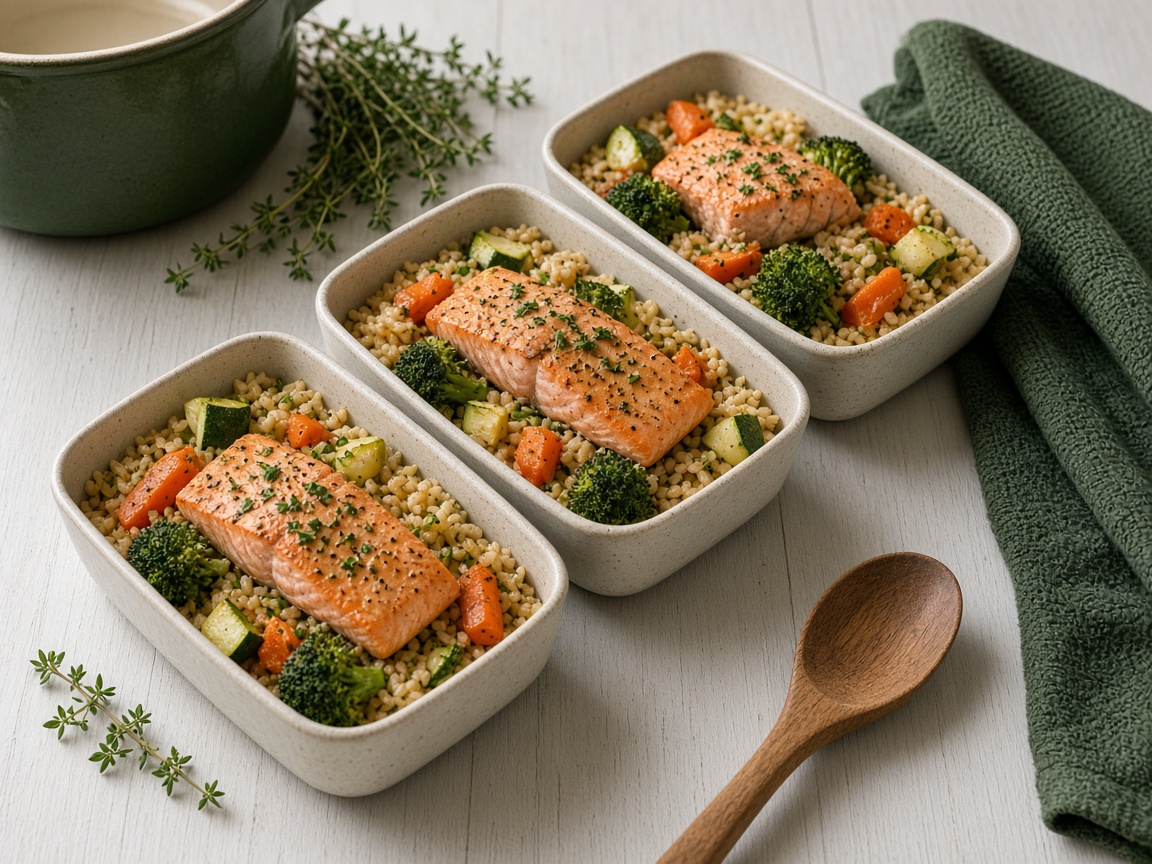
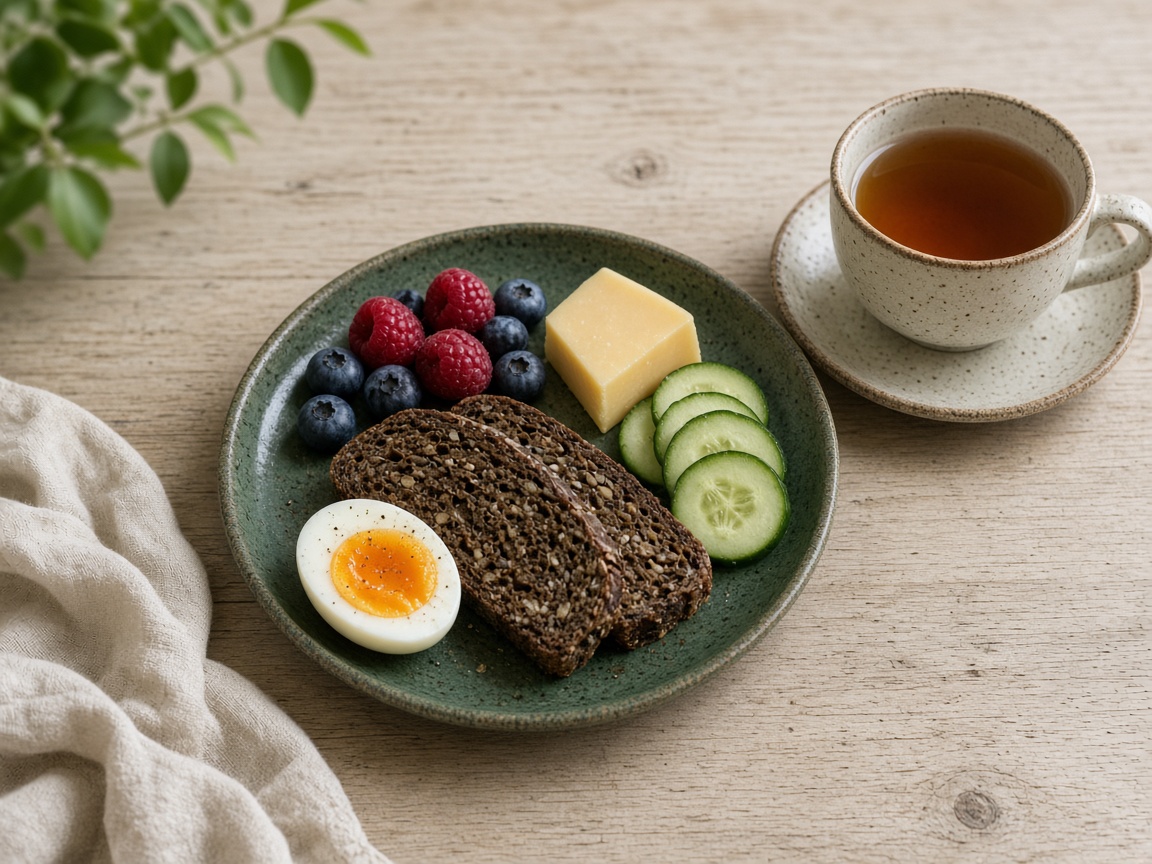
The food background, if it is kept nearby, stays the fact sheet: fruit and vegetables, and the limits on sugar, fat, and salt. Those limits do not become treatment because of a number on the tape, and the number does not cancel them. DASH, if blood pressure is already in the conversation, is not started silently on top of treatment either: the plan was studied for blood pressure, not as an emergency answer to a centimeter.
Medicines already prescribed are not stopped because the waist “was not pleasing.” CDC sends such questions to a clinician and separately places medicines among clinical options, not do-it-yourself projects. The tape can sit in the bag for the visit beside the question, and it does not write the regimen.
How not to turn a centimeter into surveillance
A daily waist measurement with a punishment for every shift is not described by NHLBI. The marker is there so that a reason for a conversation is noticed, not so that a court is held every morning. A log of food and activity is more useful than a series of frightened readings: CDC asks you to record food, drinks, activity, sleep, and stress.
If the measurement already shames and pulls toward a rapid cut, that is a reason to stop and talk with a person or a clinician, not to tighten the rule. Setbacks in a weight plan are expected, and a waist does not make them a moral failure. The page keeps the measurement in its place as a risk marker, not a diagnosis and not the start of a race.
What this text draws on
- NHLBI waist assessment: above 102 cm (40 inches) in men and above 88 cm (35 inches) in women is linked with higher risk. Not a diagnosis.
- CDC, Steps for Losing Weight (January 17, 2025): a gradual pace of about 1 to 2 pounds a week is more likely to be kept than quicker loss; losing 20 pounds in 2 weeks is the example of an unrealistic goal. Modest loss, CDC’s example: 5% of 200 pounds is 10 pounds, can improve blood pressure, cholesterol, and blood sugar and could lower risk of heart disease, prediabetes, and type 2 diabetes — not a personal guarantee. Log food and drinks, activity, sleep, and stress. Goals are specific, two or three at a time; examples include water instead of a sugary drink, a 15-minute walk, a vegetable with supper. Setbacks are expected. Rewards are not food. Medicines, illness, stress, genes, hormones, environment, and age affect weight. Weight and medicine questions go to a clinician. Medicines and bariatric surgery are clinical options, not DIY.
- WHO Healthy diet fact sheet: energy intake in balance with expenditure; fruit and vegetables ≥400 g/day; free sugars <10% of energy (below 5% for further benefit); fat <30%; saturated fat <10%; trans fat <1%; salt <5 g/day; unsaturated fats (fish, avocado, nuts, vegetable oils) preferred to saturated and industrial trans fats.
- NHLBI DASH Eating Plan: vegetables, fruits, whole grains, low-fat dairy, fish, poultry, beans, nuts, vegetable oils; less fatty meat, sweets, and sugary drinks; sodium 2,300 mg or a 1,500 mg version. Studied for blood pressure, not as a crash plan and not as permission to eat everything.
A short paraphrase of open guides and reviews (WHO, national recommendations, peer‑reviewed summaries). Not a quotation and not a treatment protocol.
Short answers
A waist above the threshold. Is that a diagnosis?
No. NHLBI links a circumference above 102 cm in men and above 88 cm in women with higher risk and calls this not a diagnosis. It is a reason for a conversation with a clinician.
Do you need to lose weight urgently if the waist is above the threshold?
CDC gives urgency of the 20-pounds-in-2-weeks kind as an unrealistic goal. The threshold is a reason to talk, not the start of a self-made race, and medicines are not stopped on their own.