
Fiber: 25 g a day from food
The WHO carbohydrate guideline of 2023 speaks about dietary fiber for adults: at least 25 g a day, and that figure belongs to food. At least 400 g of fruit and vegetables, half of grains whole, and the legumes on the MyPlate list are the foods that amount is built from. A packet of powder labeled “fiber” does not close that line of the guideline: the guideline is dietary fiber from food, not a claim on a tub.
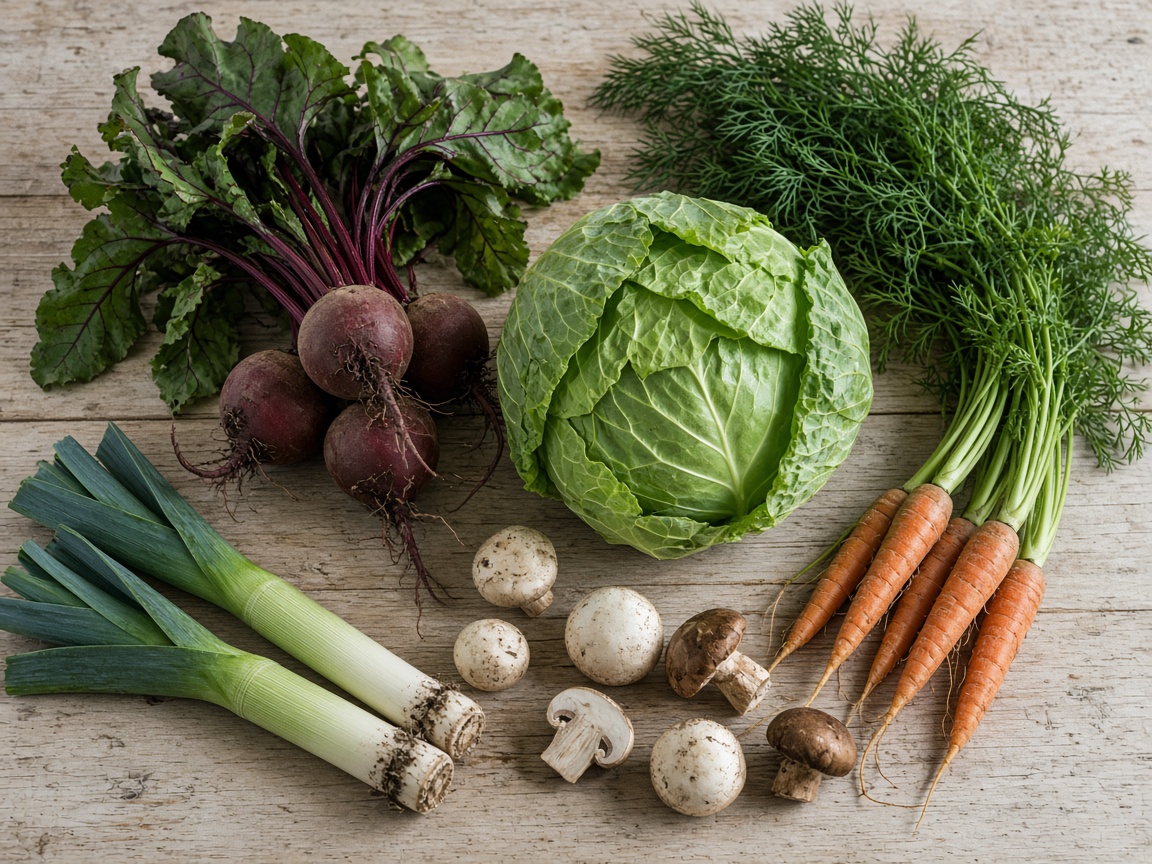
What the guideline actually says
In 2023 the WHO carbohydrate guideline named a figure for adults: at least 25 g of dietary fiber a day. That is fiber that comes with food, not a separate supplement added to an unchanged menu of white bread and sweet tea. The figure is for the day. One plate of cabbage on Sunday does not make the week match the figure if the other days have almost no vegetables, fruit, whole grains, and legumes.
The guideline does not hand out the 25 g food by food in this article, and the page does not invent how many grams sit in a spoon of bran, an apple, or a bowl of lentils. That list would already be a new calculation. The figure stays as it is: at least 25 g for an adult, from food, across the day. A child’s target is not copied from here. The age “from age 2” in the US guidelines belongs to added sugars, not to this fiber line.
Foods the other rules already name
The WHO fact sheet asks for at least 400 g of fruit and vegetables a day. That is an amount of food in which fiber lives together with everything else a fruit or vegetable contains. MyPlate asks that half of grains be whole: oats, whole bread, buckwheat, brown rice, rather than every grain of the day being refined. Whole grain is an ordinary way to keep fiber in the half of the plate that is not vegetables.
Protein foods in the same guidelines include beans, peas, lentils, and soy. A bowl of peas, lentil soup, beans beside vegetables cover both the MyPlate protein line and the food from which fiber is gathered. Fish, eggs, and lean meat are on the protein list too, and it is the legumes on that list that carry fiber. A week in which legumes appear is closer to 25 g from food than a week of one meat and white bread.
Powder and the claim on the tub
A powder, a capsule, or a bar with a large fiber number on the label is a manufacturer’s claim. The 2023 WHO guideline speaks of dietary fiber from food, at least 25 g for adults. The claim on the tub does not replace that text, and it is not added to it by an automatic tick. If the day is still without vegetables, fruit, whole grain, and legumes, the powder does not turn it into the diet the guideline described.
This page does not judge a supplement as a medicine, and it does not declare it harmful. The task is different: do not swap out the figure. Dietary fiber in the guideline comes with the food the neighboring documents already describe. Someone noting the day looks for a vegetable, a fruit, a whole grain, and legumes. The number on the tub is not inserted in place of them.
How 25 g sits beside the rest of the frame
Fiber does not cancel the other limits. Vegetables that make up the 400 g may be dressed with a sweet sauce: the vegetable is still a vegetable, and sugar in the sauce belongs with free and added sugars. Whole grain finished with a large piece of butter is still grain, and the butter belongs in the talk about saturated fat and about total fat under 30%. Canned legumes with salt are still legumes, and the salt still belongs under 5 g, separate from sodium under 2,300 mg in the US guidelines.
The figure is built from ordinary food that can be repeated. Oats in the morning, vegetables at lunch, a fruit, lentils or beans on one day of the week — that is a way toward at least 25 g from food. It matches the MyPlate half-plate and the fruit and vegetables of the fact sheet. A separate spoon of powder does not have to join that way. The day’s energy still meets expenditure: fiber is not permission to eat without that link.
What this text draws on
- WHO carbohydrate guideline, 2023: adults at least 25 g of dietary fiber a day from food.
- WHO Healthy diet fact sheet: energy in balance with expenditure; fruit and vegetables at least 400 g/day; free sugars under 10% of total energy, below 5% for further benefit; total fat under 30%; saturated fat under 10%; industrial trans fat under 1%; salt under 5 g/day, and WHO recommends iodized salt for the salt that is used. Shift toward unsaturated fats (fish, avocado, nuts, sunflower and olive oils) and away from saturated fats (fatty meat, butter, cream, cheese) and industrial trans fats in fried and packaged foods.
- Dietary Guidelines for Americans, 2020–2025, and USDA MyPlate: a nutrient-dense pattern customized to culture, budget, and preference; added sugars under 10% of calories from age 2; saturated fat under 10%; sodium under 2,300 mg/day; half the plate fruits and vegetables; half the grains whole grains; varied protein foods (seafood, eggs, beans, peas, lentils, soy, lean meat, nuts); low-fat or fat-free dairy or fortified soy.
A short paraphrase of open guides and reviews (WHO, national recommendations, peer‑reviewed summaries). Not a quotation and not a treatment protocol.
Short answers
Can a powder cover the 25 g?
The 2023 WHO guideline is about dietary fiber from food: at least 25 g a day for adults. The claim on a tub of powder does not replace that line.
Which foods, if grams per food are not set?
The foods the sources already name: at least 400 g of fruit and vegetables, half of grains whole, and, among protein foods, beans, peas, lentils, and soy. This page does not assign fiber grams per spoon.
