Dairy or soy
On MyPlate the dairy group is low-fat or fat-free milk, yogurt, and cheese, or fortified soy, not a sweet drink with a dairy name. The same plate still holds vegetables, fruit, whole grain, and varied protein foods.

What actually sits in the group
The Dietary Guidelines and MyPlate put low-fat milk, fat-free options, and fortified soy side by side. Soy in that line replaces the dairy group. It is not a reason to take vegetables off the plate. Plain kefir, plain yogurt, or a piece of cheese covers the group more honestly than a drink whose taste is set by sugar.
Fat content here is not a slogan of zero at any cost. WHO keeps total fat under 30% of energy and saturated fat under 10%, and low-fat dairy helps keep that share from being spent on one food. Vegetable oil, fish, and nuts remain the preferred unsaturated fats, and the dairy group does not stand in for them.
A sweet glass does not fulfill the group
From age two, the American guidelines keep added sugars under 10% of calories. WHO separately limits free sugars: under 10% of energy, with further benefit below 5%. A yogurt or a drink that already has sugar as its main flavor claims the dairy line and spends the sugar line at the same time.
The label answers a different question from the word on the lid. FDA states energy per labeled serving, and a package can hold several of those servings. A glass a person drinks in full can be two servings of sugar, even when the package sounds like one wholesome item.
How the group sits on an ordinary plate
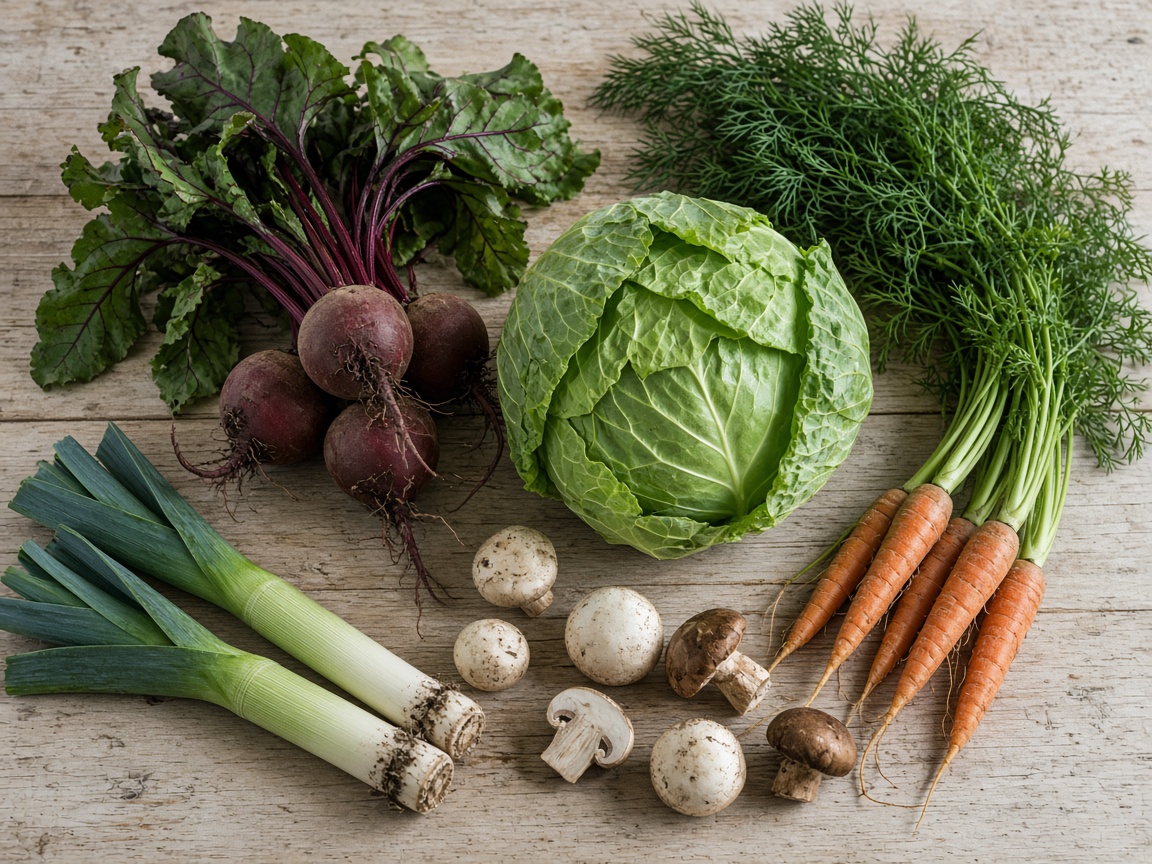
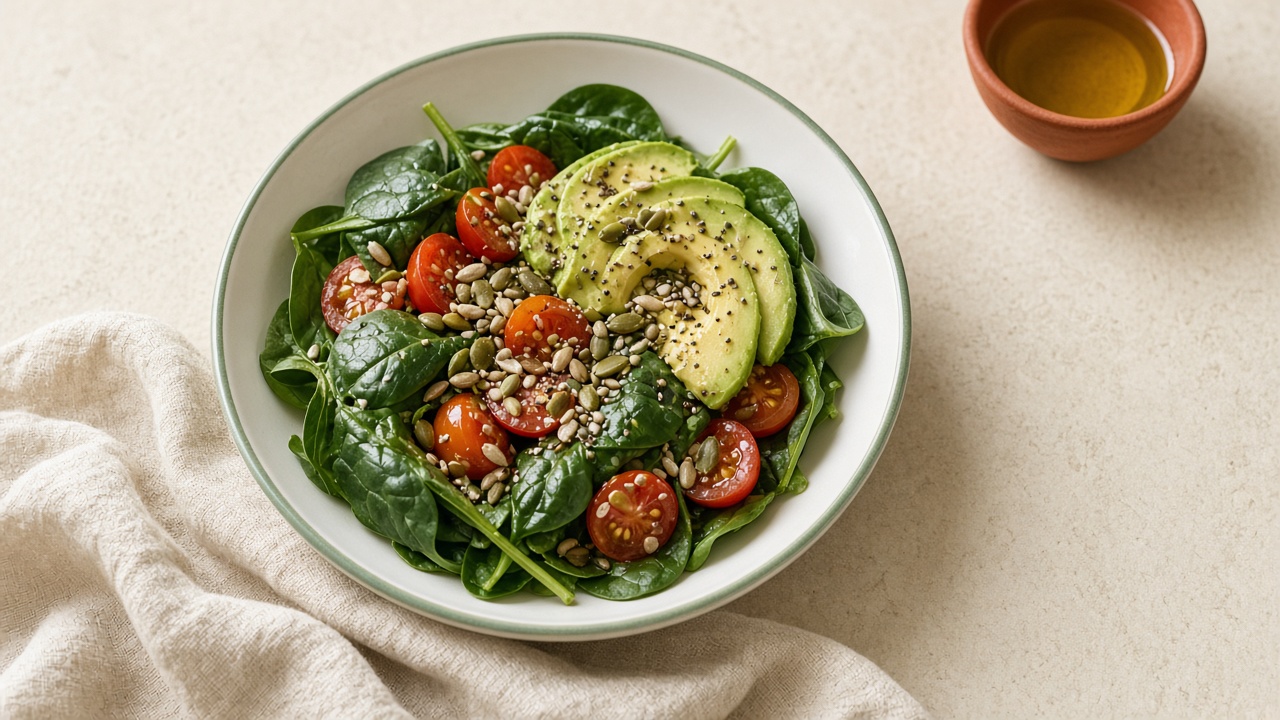
Half the MyPlate plate is vegetables and fruit, and half of the grains are whole. Dairy or soy take their own group and do not push that half aside. A bowl of sweet cereal with milk, refined grain, and a lot of sugar barely covers dairy and almost misses the grain line.
In the DASH plan, low-fat dairy stands in the same row as vegetables, fruit, whole grains, fish, poultry, beans, and nuts. The plan was studied for blood pressure, not as a fast weight-loss scheme. A glass of low-fat milk fits that row. A glass of a sugary drink is exactly what the plan asks people to cut down.
What this page does not prescribe
This sheet does not contain a calcium target in milligrams, and the article does not invent one. Fortified soy is named as the stand-in for the dairy group, not as a dose. If dairy is left out because of illness or a clinician’s decision, the replacement is discussed there, not chosen from the claim on a package.
CDC sends questions about weight and medicines to a clinician. An ordinary plate with low-fat dairy or soy, vegetables, and whole grain remains a description of a diet, not a treatment. Pregnancy, adolescence, and an illness in which food is already prescribed are not copied from this adult page.
What this text draws on
- Dietary Guidelines for Americans, 2020–2025, and USDA MyPlate: a nutrient-dense pattern shaped by culture and budget; added sugars <10% of calories from age 2; saturated fat <10%; sodium <2,300 mg/day; half the plate fruits and vegetables; half of grains whole; varied protein foods; low-fat or fat-free dairy or fortified soy. Drinking less is better than drinking more; not drinking is an option.
- WHO Healthy diet fact sheet: energy intake in balance with expenditure; fruit and vegetables ≥400 g/day; free sugars <10% of energy (below 5% for further benefit); fat <30%; saturated fat <10%; trans fat <1%; salt <5 g/day; unsaturated fats (fish, avocado, nuts, vegetable oils) preferred to saturated and industrial trans fats.
- NHLBI DASH Eating Plan: vegetables, fruits, whole grains, low-fat dairy, fish, poultry, beans, nuts, vegetable oils; less fatty meat, sweets, and sugary drinks; sodium 2,300 mg or a 1,500 mg version. Studied for blood pressure, not as a crash plan and not as permission to eat everything.
- FDA Nutrition Facts: energy is stated per labeled serving; a package can contain several servings. A labeled serving is not always 100 g.
A short paraphrase of open guides and reviews (WHO, national recommendations, peer‑reviewed summaries). Not a quotation and not a treatment protocol.
Short answers
Does a sweet yogurt cover the dairy group?
It can resemble the name of the group, but added sugars from age two are better kept under 10% of calories, and WHO limits free sugars as a share of energy. Plain yogurt or low-fat milk fits the line more closely.
Is milk required if fortified soy is already there?
No. MyPlate places fortified soy beside low-fat dairy as an option in the same group. Vegetables, fruit, and whole grain do not disappear with that swap.