
Half the plate
MyPlate lays an ordinary meal out in shares: half the plate is fruit and vegetables, half of the grains are whole, protein foods vary, and dairy is low-fat or fat-free, or fortified soy. Culture and budget stay inside that picture, not outside it.
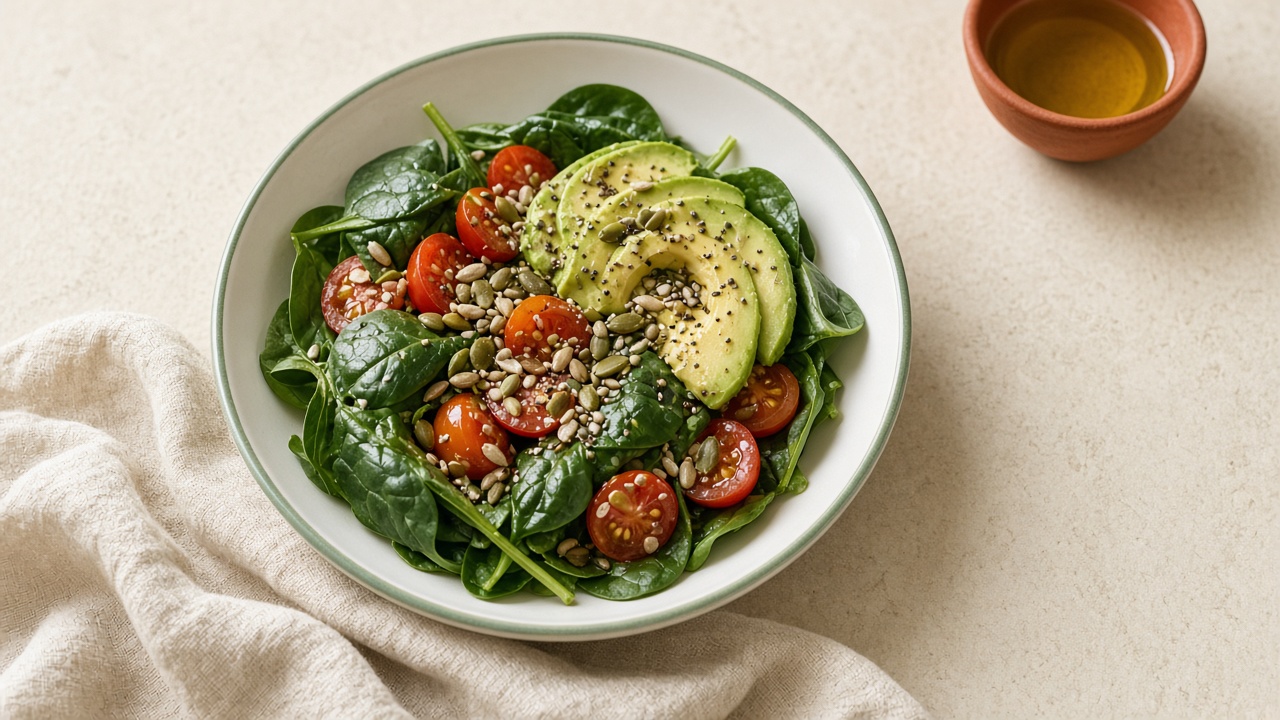
One plate, named shares
The half given to fruit and vegetables is the volume of the meal, not a leaf for a photograph. A vegetable soup, a side of stewed vegetables, or a piece of fruit beside the main dish fills that half as honestly as a salad. The share belongs to this meal and does not have to copy a restaurant arrangement.
The other half of the plate is not empty and is not handed to a single food. Grain and a protein food belong there: a cereal or bread, fish, poultry, beans, or nuts, in the combination the household actually cooks. Low-fat or fat-free dairy, or fortified soy, can sit in the same meal, not only on a separate “correct” menu.
Half the grains, and protein that varies
Of the grain in the meal, half should be whole, not the entire plate and not none. Oats, whole-grain bread, or brown rice can cover that half of the grain. White rice or ordinary bread can remain the other half of the grain: MyPlate does not announce them as a ban.
Protein foods in the same pattern change from meal to meal, rather than the same piece every day. Fish, poultry, beans, and nuts are examples drawn from neighboring descriptions of the pattern, and the list does not have to be exhausted by one of them. Variety here is about a week of ordinary plates, not a collection of rare foods in a single lunch.
Culture and budget do not cancel the shares
The guidelines explicitly build a nutrient-dense pattern with culture and budget in view. A beet soup, rice with beans, lentils with greens, or a rice dish with a large share of vegetables can hold the same shares as a plate with other names. An expensive set of foods is not required.
A budget does not erase the limits that sit beside the plate. Added sugars stay under 10% of calories from age 2, saturated fat under 10%, and sodium under 2,300 mg a day. Salt under 5 g a day is a separate WHO line, and this page does not treat it as the same number as sodium.
A meal inside the day, not instead of the day
MyPlate shares describe a meal. The WHO line for fruit and vegetables, at least 400 g, adds up across several such meals and is not equal to “half” of one plate. This page will not set half a plate equal to 400 g: the documents speak in different measures.
A drink beside a successful plate still enters the day’s energy, and it enters free sugars if it is sweet. The oil the dish was cooked in enters the fat share. A few days of notes, as CDC suggests, show whether the shares repeat, better than a grade for one handsome lunch.
What this text draws on
- Dietary Guidelines for Americans, 2020–2025, and USDA MyPlate: a nutrient-dense pattern shaped by culture and budget; added sugars <10% of calories from age 2; saturated fat <10%; sodium <2,300 mg/day; half the plate fruits and vegetables; half of grains whole; varied protein foods; low-fat or fat-free dairy or fortified soy. Drinking less is better than drinking more; not drinking is an option.
- WHO Healthy diet fact sheet: energy intake in balance with expenditure; fruit and vegetables ≥400 g/day; free sugars <10% of energy (below 5% for further benefit); fat <30%; saturated fat <10%; trans fat <1%; salt <5 g/day; unsaturated fats (fish, avocado, nuts, vegetable oils) preferred to saturated and industrial trans fats.
- CDC, Steps for Losing Weight (January 17, 2025): a gradual pace of about 1 to 2 pounds a week is more likely to be kept than quicker loss; losing 20 pounds in 2 weeks is the example of an unrealistic goal. Modest loss, CDC’s example: 5% of 200 pounds is 10 pounds, can improve blood pressure, cholesterol, and blood sugar and could lower risk of heart disease, prediabetes, and type 2 diabetes — not a personal guarantee. Log food and drinks, activity, sleep, and stress. Goals are specific, two or three at a time; examples include water instead of a sugary drink, a 15-minute walk, a vegetable with supper. Setbacks are expected. Rewards are not food. Medicines, illness, stress, genes, hormones, environment, and age affect weight. Weight and medicine questions go to a clinician. Medicines and bariatric surgery are clinical options, not DIY.
A short paraphrase of open guides and reviews (WHO, national recommendations, peer‑reviewed summaries). Not a quotation and not a treatment protocol.
Short answers
Is half the plate exactly 400 g of vegetables?
No. Half the plate is one meal’s share in MyPlate, and 400 g is a daily amount in the WHO fact sheet. This page does not convert one into the other.
Does the pattern require a particular cuisine?
No. The guidelines explicitly leave room for culture and budget. The shares matter, and the neighboring limits on sugar, fat, and sodium, not the name of the dish.
