Do not invent grams
If the weight of a dish is unknown, the line names a portion in words: a bowl, a slice, a spoon of oil. FoodData Central is useful once the grams are known, and it does not stand in for a number taken by eye.
Words instead of empty precision
An unknown weight does not become known because a digit was typed into a cell. “A bowl of soup,” “two slices,” “a spoon of oil on the plate” is already a record: it shows that the food was there and of what order. CDC asks you to note what was eaten and drunk, not only what happened to sit on a scale.
A portion in words shows the edge of what you know. Later, if the same dish is weighed, the line can be sharpened. Until there was a scale, any sharpening would be fiction, even when the figure looks modest and “about right.”
The database opens after the weight
USDA FoodData Central gives guides per 100 grams. That is a reference for a known weight, not a way to assign a weight after the fact. Brands differ, so even with known grams a general row stays a guide, not the passport of your package.
Weight first, or honest words, and only then the database if the weight exists. The reverse — picking plausible grams from the database and fitting the day — creates precision that was never measured. The day is harder to read for that kind of precision.
A dry row is not the cooked bowl
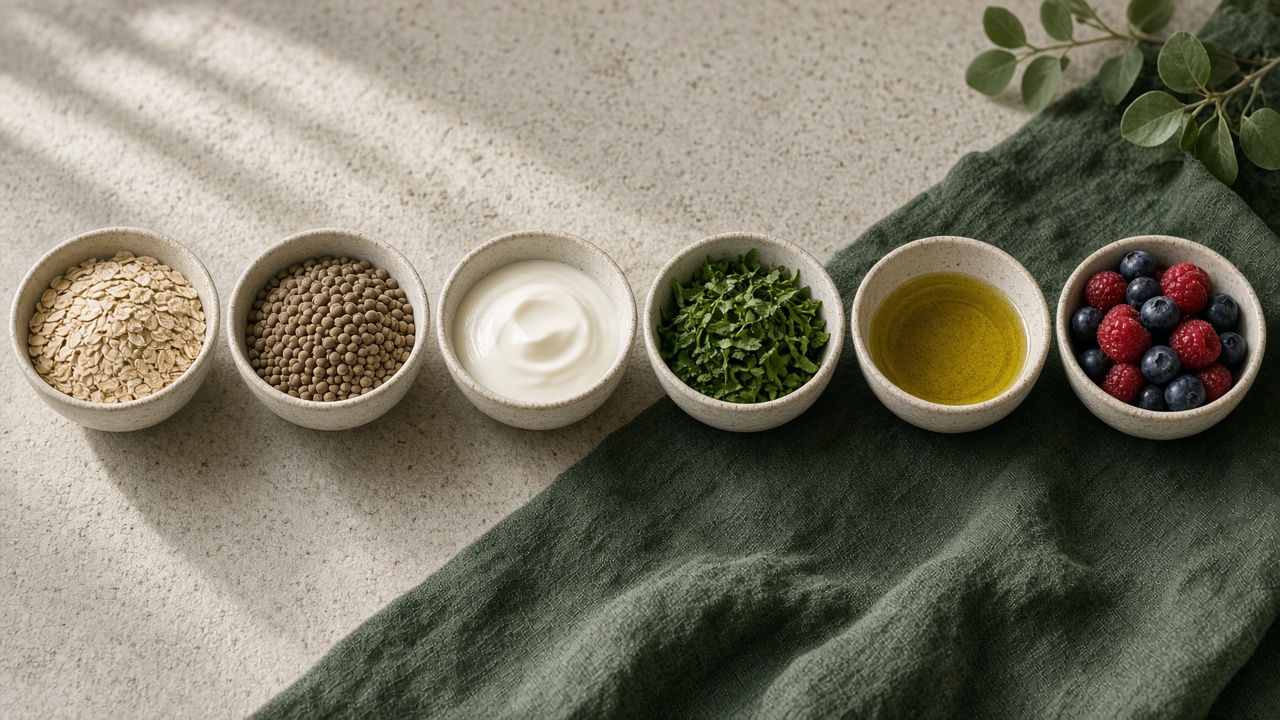
A dry-food row does not describe a cooked portion. Water changes the weight: grain, pasta, and beans on the plate are not the package they came from. A guide per 100 grams of dry grain cannot be laid on a bowl of porridge unless you know what stood on the scale.
A “rice triples” factor is not used for that swap. It is not among the rules of the database, and it hides the question that should stay open: whether the scale was under the dry food or under the cooked food. If it was under neither, the log keeps a bowl in words.
A picture reminds and does not weigh
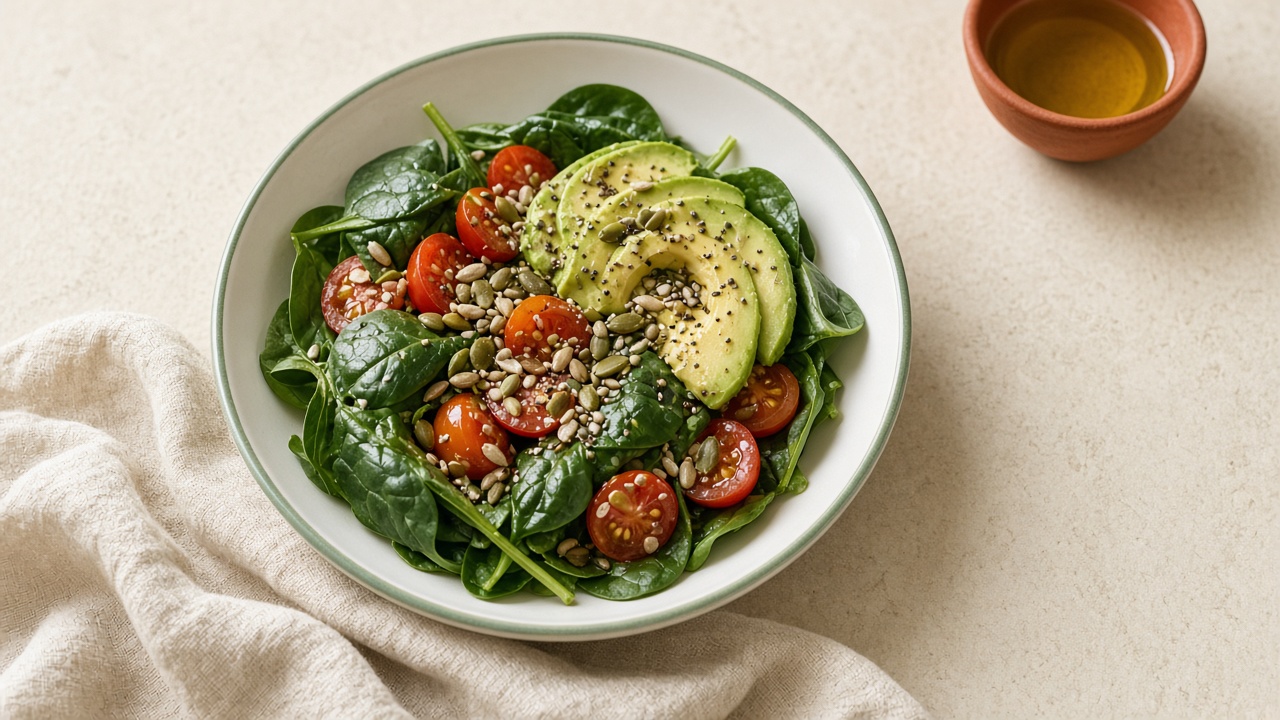
A picture of the plate reminds you what was on it and does not measure grams. In ScanDish that frame stays a draft until the person confirms the meal and the day. Confirmation does not turn a look at the photo into a weighing.
If the picture shows only that there were fish and a side, that is what is written. Grams from the database are not laid on the frame by eye. The day keeps what is known and does not pretend the unknown is known as well.
What this text draws on
- USDA FoodData Central: guides per 100 g; brands differ. A dry-food row is not a cooked portion, because water changes the weight. Do not use a “rice triples” factor.
- CDC, Steps for Losing Weight (January 17, 2025): a gradual pace of about 1 to 2 pounds a week is more likely to be kept than quicker loss; losing 20 pounds in 2 weeks is the example of an unrealistic goal. Modest loss, CDC’s example: 5% of 200 pounds is 10 pounds, can improve blood pressure, cholesterol, and blood sugar and could lower risk of heart disease, prediabetes, and type 2 diabetes — not a personal guarantee. Log food and drinks, activity, sleep, and stress. Goals are specific, two or three at a time; examples include water instead of a sugary drink, a 15-minute walk, a vegetable with supper. Setbacks are expected. Rewards are not food. Medicines, illness, stress, genes, hormones, environment, and age affect weight. Weight and medicine questions go to a clinician. Medicines and bariatric surgery are clinical options, not DIY.
A short paraphrase of open guides and reviews (WHO, national recommendations, peer‑reviewed summaries). Not a quotation and not a treatment protocol.
Short answers
May I enter grams from memory when there was no scale?
Only if you truly remember a measured weight. Otherwise the line stays in words: “about a hundred” is usually the invented number.
Does a per-100-gram row fit any bowl?
No. The guide is for 100 grams of a known food. A dry row is not a cooked portion, because water changes the weight.