How to choose a program
CDC suggests judging a program through the food pattern, movement, behavior, a realistic pace, and whether anything continues after the first week. A promise of speed and one person’s testimonial are not a trial.

First, the food the program leaves in place
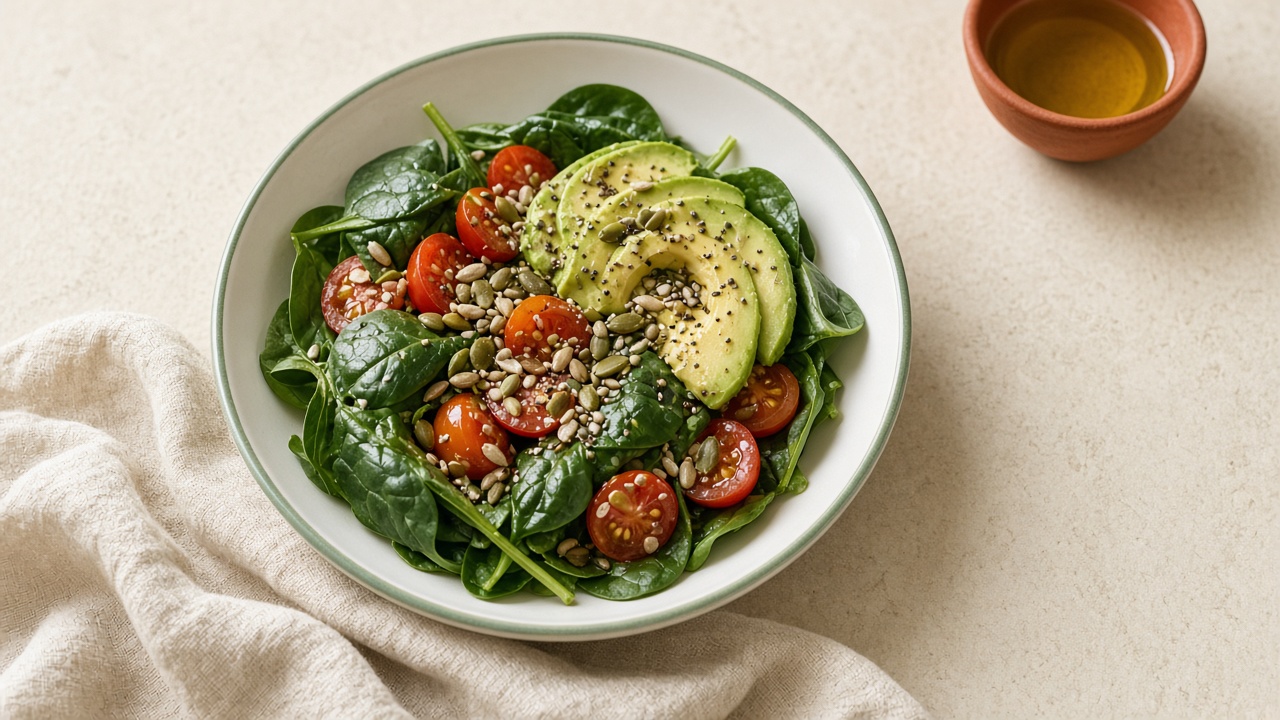
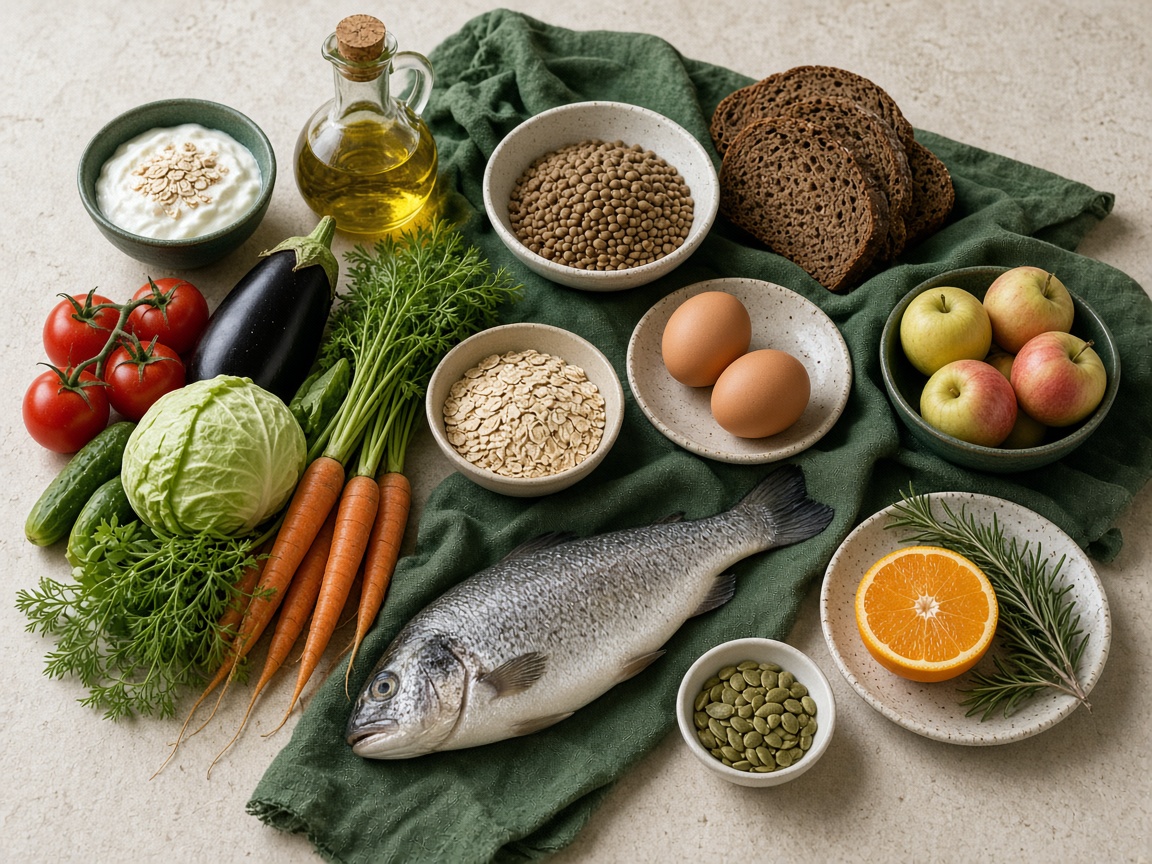
A nutrient-dense pattern in the American guidelines is vegetables and fruit on half the plate, half the grains whole, varied protein foods, and low-fat dairy or fortified soy, shaped by culture and budget. A program that bans all of that food for the sake of one product or one name does not match the text.
The limits without which a diet’s name is empty stand beside it. WHO free sugars under 10% of energy, fat under 30%, saturated fat under 10%, trans fat under 1%, salt under 5 g, vegetables and fruit at least 400 g, adult fiber at least 25 g from food. A program that feeds juice and powder does not meet those lines, even if it promises lightness.
Then the pace that can actually be kept
If a program sells weight loss, CDC compares it with a pace of about 1 to 2 pounds a week. Losing 20 pounds in two weeks is named as an example of an unrealistic goal. Modest loss, in the example 5% of 200 pounds is 10 pounds, can improve blood pressure, cholesterol, and blood sugar and could lower the risk of heart disease, prediabetes, and type 2 diabetes. That is not a personal guarantee and not the program’s promise.
A fast drop that lasts only while a person buys the package fits poorly with the sentence about keeping the loss. The habits that remain after the “course” ends are the content. A testimonial of “minus so much in a week” is not a trial. Who entered the study, what the comparison was, and whether weight was even the outcome are things a program should be able to say. If it cannot, what remains is advertising.
Movement and behavior, not a coupon
For adults, WHO and CDC describe at least 150 minutes of moderate activity a week and strength on two or more days. WHO adds a range up to 300 moderate minutes or 75–150 vigorous, says some activity is better than none, and suggests limiting sedentary time. A program in which a workout “burns off” any supper confuses those minutes with permission to eat.
Behavior in the CDC text is a log of food and drinks, activity, sleep, and stress, two or three specific goals, and an expectation of setbacks. Example goals: water instead of a sugary drink, a fifteen-minute walk, a vegetable with supper. The reward is not food. A program that shames one day and leaves no next step skips that piece of the text. Sleep on the same page is a regular bedtime and waking time, no caffeine in the afternoon and evening, and screens off at least thirty minutes before bed.
Where a program no longer has the right to continue on its own
Medicines and bariatric surgery are clinical options. A very low calorie level, a promise to add a drug, and a scheme for a person whose blood pressure or diabetes is already treated are not chosen from a catalog. Questions of weight and medicines go to a clinician. Illness, stress, genes, hormones, environment, and age affect weight, and a program that denies all of that argues with CDC.
Pregnancy and adolescence are not taken from an adult list of programs. WHO conditionally recommends against sweeteners as a way to control weight as of 15 May 2023, with an exception for existing diabetes, polyols, and products such as toothpaste. Protein at 0.83 g per kg is a population guide, not a muscle plan and not a reason to ignore kidney disease. A sound program names these boundaries itself. A poor one promises kilograms to everyone.
What this text draws on
- CDC, Steps for Losing Weight (January 17, 2025): a gradual pace of about 1 to 2 pounds a week is more likely to be kept than quicker loss; losing 20 pounds in 2 weeks is the example of an unrealistic goal. Modest loss, CDC’s example: 5% of 200 pounds is 10 pounds, can improve blood pressure, cholesterol, and blood sugar and could lower risk of heart disease, prediabetes, and type 2 diabetes — not a personal guarantee. Log food and drinks, activity, sleep, and stress. Goals are specific, two or three at a time; examples include water instead of a sugary drink, a 15-minute walk, a vegetable with supper. Setbacks are expected. Rewards are not food. Medicines, illness, stress, genes, hormones, environment, and age affect weight. Weight and medicine questions go to a clinician. Medicines and bariatric surgery are clinical options, not DIY.
- WHO Healthy diet fact sheet: energy intake in balance with expenditure; fruit and vegetables ≥400 g/day; free sugars <10% of energy (below 5% for further benefit); fat <30%; saturated fat <10%; trans fat <1%; salt <5 g/day; unsaturated fats (fish, avocado, nuts, vegetable oils) preferred to saturated and industrial trans fats.
- Dietary Guidelines for Americans, 2020–2025, and USDA MyPlate: a nutrient-dense pattern shaped by culture and budget; added sugars <10% of calories from age 2; saturated fat <10%; sodium <2,300 mg/day; half the plate fruits and vegetables; half of grains whole; varied protein foods; low-fat or fat-free dairy or fortified soy. Drinking less is better than drinking more; not drinking is an option.
- WHO Physical activity fact sheet: adults 18–64 at least 150–300 minutes of moderate aerobic activity a week, or 75–150 minutes vigorous, plus muscle-strengthening on 2 or more days; some activity is better than none; sedentary time should be limited. From age 65, the same plus balance and coordination on 3 or more days.
- WHO non-sugar sweeteners guideline, 15 May 2023: conditional recommendation not to use NSS to control weight or reduce NCD risk. The review found no long-term benefit for body fat in adults or children. Possible undesirable links with type 2 diabetes, cardiovascular disease, and mortality may be confounded. Does not apply to people with existing diabetes, to polyols, or to toothpaste, creams, and medicines. The list includes acesulfame K, aspartame, stevia, sucralose, and other NSS.
- FAO/WHO/UNU, 2007: the safe protein level for adults is 0.83 g per kg body weight per day. A population figure, not a muscle-gain plan. Kidney disease changes it through a clinician.
A short paraphrase of open guides and reviews (WHO, national recommendations, peer‑reviewed summaries). Not a quotation and not a treatment protocol.
Short answers
Is one person’s report of several kilograms lost proof?
No. It is not a trial. It matters who was studied, what the comparison was, and whether weight was the outcome. The pace CDC treats as more likely to be kept is about 1 to 2 pounds a week, not the race in an advertisement.
Which programs does this page refuse to choose by itself?
Those that need medicines, surgery, a very low calorie level, or treatment of blood pressure and diabetes already underway, and any scheme for pregnancy and adolescents. That is a conversation with a clinician, not a catalog item.