One person's diet in a family
One person's diet in a family does not require a second kitchen or a menu built as a punishment. The US guidelines ask that a shared pattern be shaped to culture and budget, and this person's plate is shifted inside that same table.

A shared table instead of a punishment portion
A separate plate for the person losing weight, deliberately meager and unlike everyone else's food, is not prescribed in the texts. A nutrient-dense pattern is built so that a household can repeat it. Punishment by food also fits poorly with the CDC rule that a reward should not be food, so the penalty does not have to be an empty plate either.
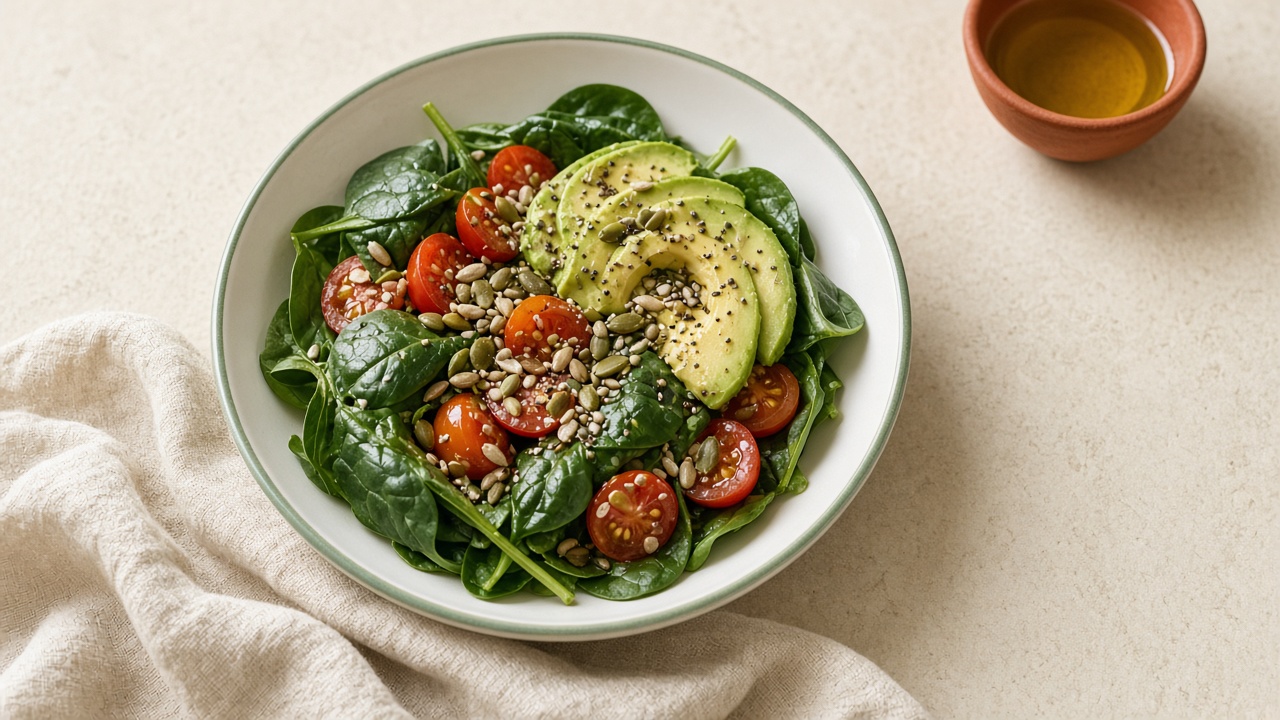
What can shift is one person's share: more vegetables toward half the plate, water instead of that person's sugary drink, fish or beans instead of fatty meat on that person's part of the pan. The others do not have to eat under someone else's diet name. The environment CDC names among the influences on weight is this table, not an abstract willpower.
What changes on one plate without breaking the pot
A shared dish can stay shared if vegetables are already in it and a person can take more of them, closer to the day's 400 g together with fruit. Whole grain on the table covers the whole-grain half for the person who needs that, without forcing everyone to rename supper. Vegetable oil is counted in the fat share of the person who is keeping that aim, rather than declaring the whole family at fault.
Salt under 5 g and sodium under 2,300 mg are counted from what this person ate, sauce included. The free sugars in that person's drink do not become a family examination. If someone else at the table is in different treatment, this article does not rewrite that plate.
A setback at a shared table is expected, not a failure of character
CDC writes that setbacks are expected, and a family supper is a frequent place for one. After it, a person returns to the same two or three goals, for example water and a vegetable, not to a separate punishment menu the next day. The food and the drink that were there get written down, including the celebratory ones, because an unlogged piece does not become nonexistent.
Age, stress, and hormones are also on the list of influences on weight, so one person at the table is not a copy of another. The article is about an adult who wants to change their own plate. It does not hand that adult plan to the children and teenagers at the same table.
Two or three household edits that can be repeated
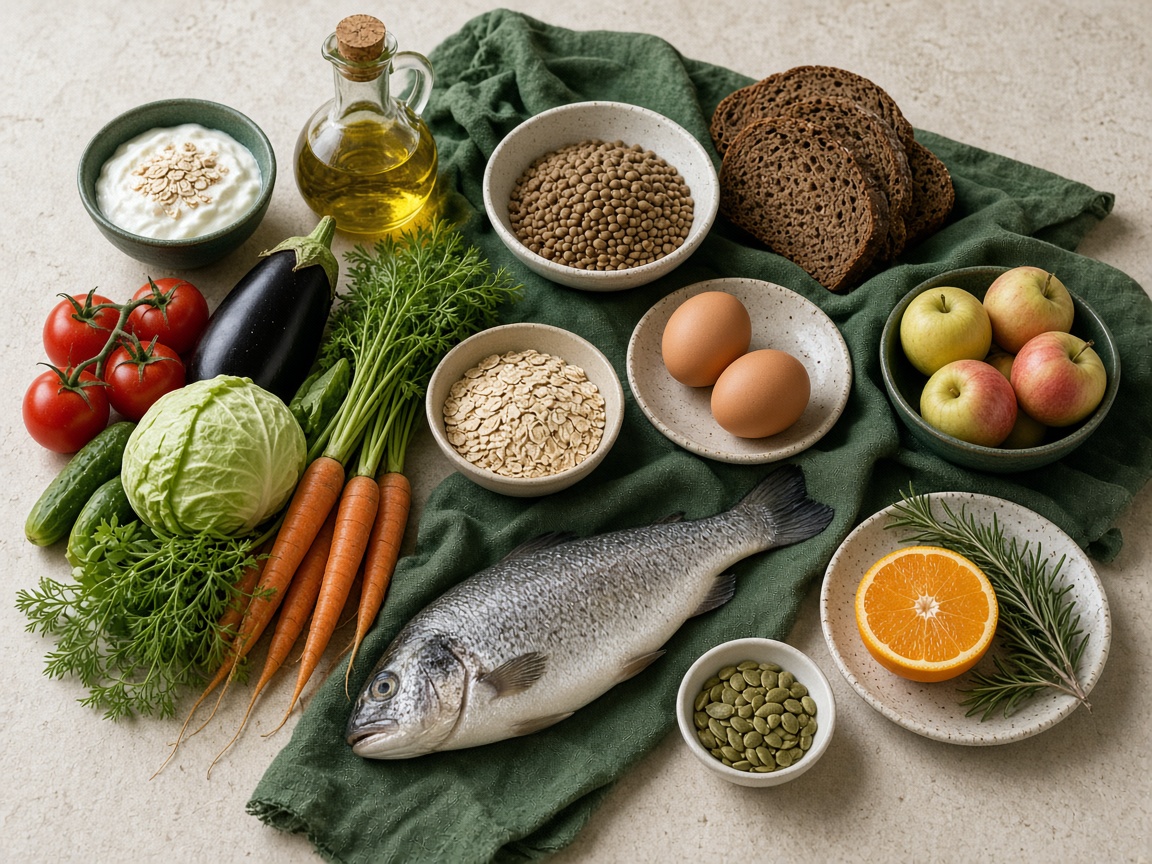
A working set is short: a vegetable in the shared pot, water beside the sugary drink, fish or beans in at least part of the week. Those are the same examples CDC gives and the same swaps WHO and DASH list, only placed on one table. A diet's name on the kitchen door is not required for that.
The pace, if weight is a goal at all, stays about 1 to 2 pounds a week, not a race the family is obliged to serve. Losing 20 pounds in 2 weeks does not become a household project. Questions about medicines and illness still go to a clinician, separately from what is in the pot today.
What this text draws on
- Dietary Guidelines for Americans, 2020–2025, and USDA MyPlate: a nutrient-dense pattern shaped by culture and budget; added sugars <10% of calories from age 2; saturated fat <10%; sodium <2,300 mg/day; half the plate fruits and vegetables; half of grains whole; varied protein foods; low-fat or fat-free dairy or fortified soy. Drinking less is better than drinking more; not drinking is an option.
- CDC, Steps for Losing Weight (January 17, 2025): a gradual pace of about 1 to 2 pounds a week is more likely to be kept than quicker loss; losing 20 pounds in 2 weeks is the example of an unrealistic goal. Modest loss, CDC’s example: 5% of 200 pounds is 10 pounds, can improve blood pressure, cholesterol, and blood sugar and could lower risk of heart disease, prediabetes, and type 2 diabetes — not a personal guarantee. Log food and drinks, activity, sleep, and stress. Goals are specific, two or three at a time; examples include water instead of a sugary drink, a 15-minute walk, a vegetable with supper. Setbacks are expected. Rewards are not food. Medicines, illness, stress, genes, hormones, environment, and age affect weight. Weight and medicine questions go to a clinician. Medicines and bariatric surgery are clinical options, not DIY.
- WHO Healthy diet fact sheet: energy intake in balance with expenditure; fruit and vegetables ≥400 g/day; free sugars <10% of energy (below 5% for further benefit); fat <30%; saturated fat <10%; trans fat <1%; salt <5 g/day; unsaturated fats (fish, avocado, nuts, vegetable oils) preferred to saturated and industrial trans fats.
- NHLBI DASH Eating Plan: vegetables, fruits, whole grains, low-fat dairy, fish, poultry, beans, nuts, vegetable oils; less fatty meat, sweets, and sugary drinks; sodium 2,300 mg or a 1,500 mg version. Studied for blood pressure, not as a crash plan and not as permission to eat everything.
A short paraphrase of open guides and reviews (WHO, national recommendations, peer‑reviewed summaries). Not a quotation and not a treatment protocol.
Short answers
Does a second menu have to be cooked if only one person is on a diet?
No: the shared table is adjusted, rather than a punishment portion being built. That person's vegetable, drink, and protein food can shift inside the same meal.
Does a setback at a family supper cancel the week?
No: setbacks are expected, and after them a person returns to the same two or three goals. The supper is written down, and the texts do not assign a separate punishment for the next day.