The DASH plan: what is on the plate and what the plan does not promise
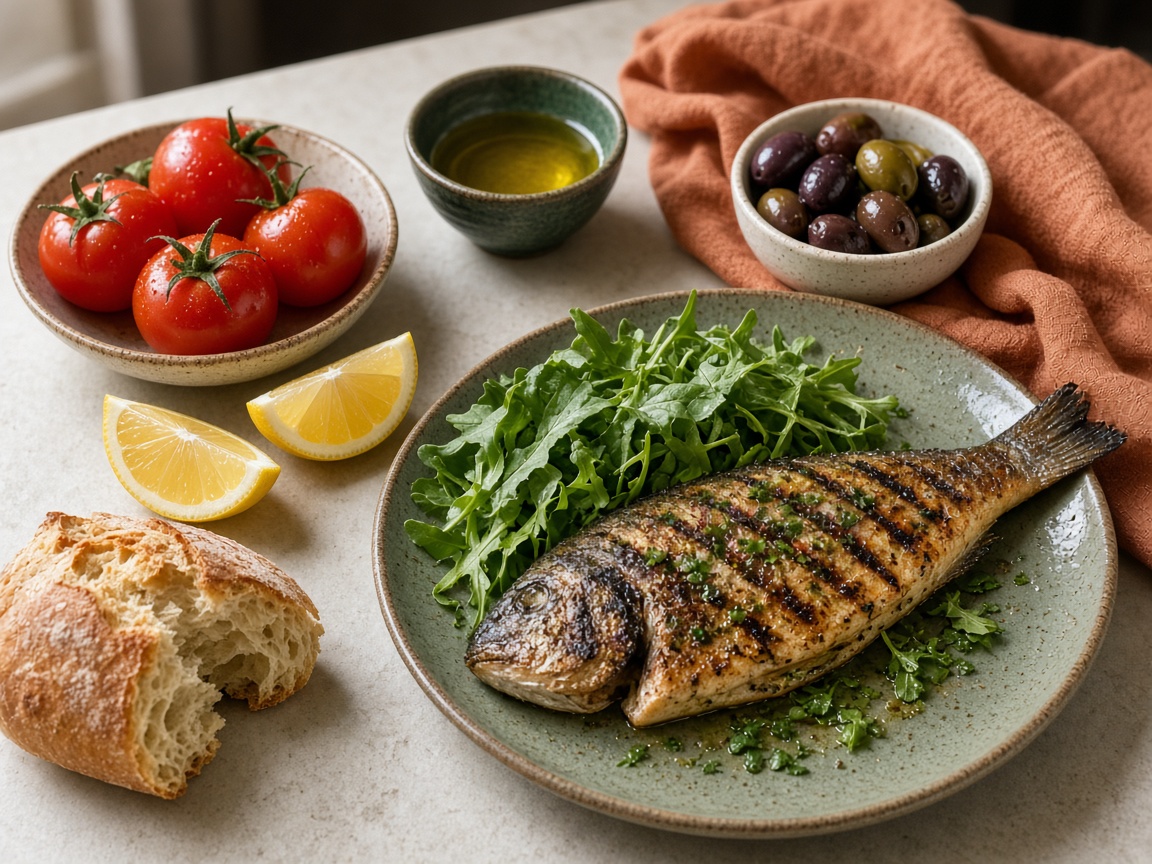
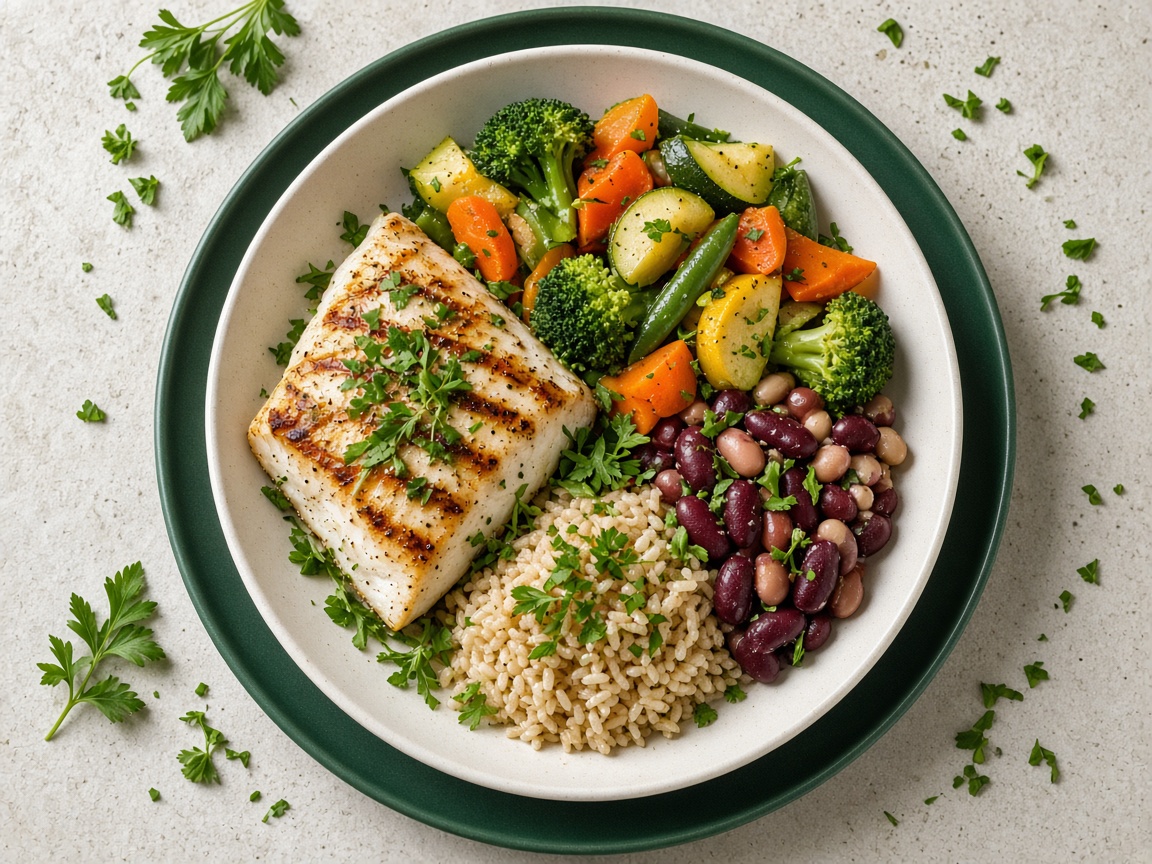
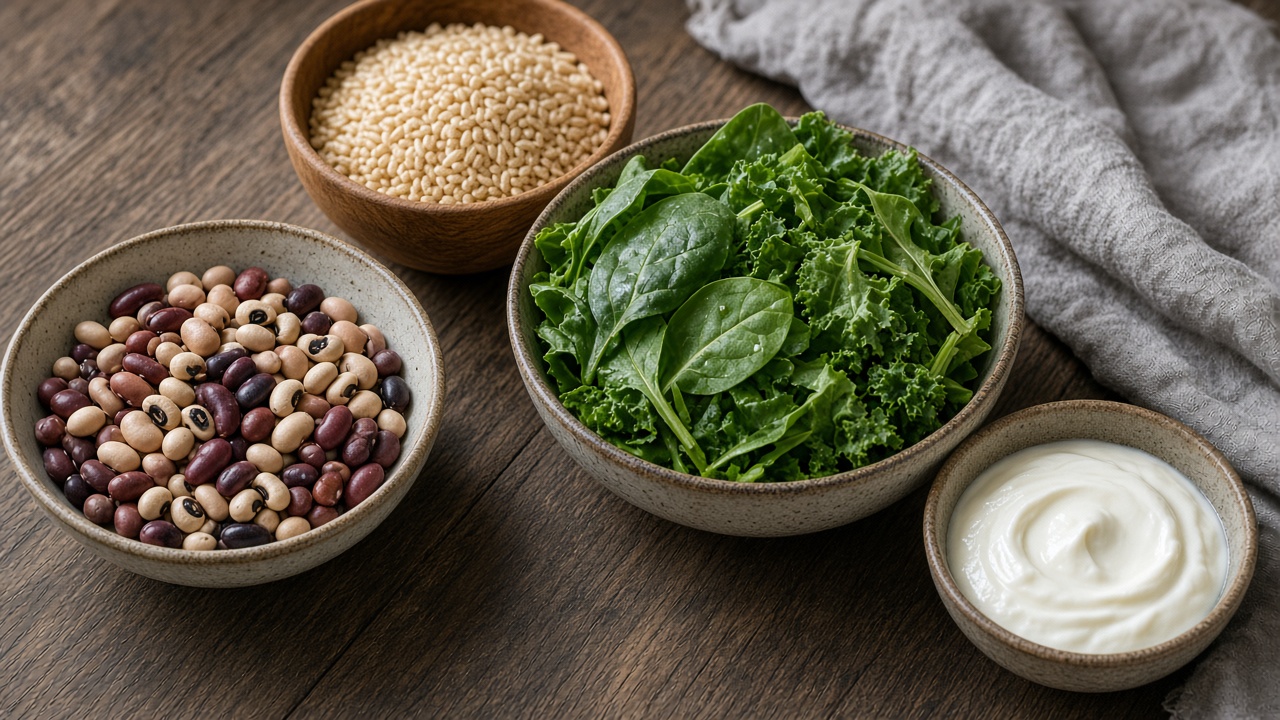
The NHLBI describes the DASH plan as vegetables, fruit, whole grains, low-fat dairy, fish, poultry, beans, nuts, and vegetable oils, and less fatty meat, sweets, and sugary drinks. Sodium is 2,300 mg or a 1,500 mg version. It is not a rapid-loss scheme and not permission to eat everything else.
The picture agrees with neighboring texts and does not copy them word for word
WHO asks for at least 400 g of vegetables and fruit, fat to 30 percent of energy, saturated fat to 10, trans fat to 1, salt to 5 g, and a preference for fish, avocado, nuts, and vegetable oils. DASH speaks of sodium in milligrams, not grams of salt, and does not publish the same fat percents. This page does not glue 5 g of salt and 2,300 mg of sodium with a coefficient.
MyPlate asks for half the plate as vegetables and fruit and half the grains whole. DASH adds an emphasis on low-fat dairy and on fewer sweets. These are close pictures. They do not cancel each other and do not become one diet with one name.
The trial is about blood pressure
Appel and colleagues in NEJM 1997 compared a pattern higher in vegetables, fruit, and low-fat dairy and lower in saturated fat with a typical American control diet. Blood pressure fell. This article does not give millimeters. The fall in pressure is not rewritten as a promise of kilograms.
The plan was studied for blood pressure. A rapid drop in weight, minus 20 pounds in two weeks, is the example of an unrealistic goal from another page, the CDC, and is not attached to DASH. A pace of 1 to 2 pounds a week is not a DASH line either.
1,500 mg does not cancel 2,300 and does not become a law
Both versions are named. 1,500 is a lower sodium shelf inside the plan, not the “real DASH” against a “frivolous” one. This page does not prescribe 1,500 for everyone and does not declare 2,300 a free pass. WHO salt in grams stays a separate line.
A sugary drink is already on the plan’s list of what to have less of. Water instead of something sugary is a CDC goal; it sits well beside the plan and is not a line of DASH itself. WHO does not advise a sweetener for weight control, so replacing a soda with a packet is not prescribed by the plan.
A DASH plate is still confirmed by the person
A photo of food in ScanDish is a draft until the meal and the day are confirmed. The picture does not know whether this was the DASH plan, and it does not count sodium. Salt and sodium appear in the record if the person accounted for them, not from the name of the pattern.
Kidneys, blood pressure, and medicines change the conversation. The plan does not replace a clinician. Protein of 0.83 g per kg in kidney disease also changes through a clinician, and DASH does not lift that caveat.
What this text draws on
- NHLBI DASH Eating Plan: vegetables, fruits, whole grains, low-fat dairy, fish, poultry, beans, nuts, vegetable oils; less fatty meat, sweets, and sugary drinks; sodium 2,300 mg or a 1,500 mg version. Studied for blood pressure, not as a crash plan and not as permission to eat everything.
- DASH, Appel et al., NEJM 1997: a pattern higher in vegetables, fruit, and low-fat dairy and lower in saturated fat lowered blood pressure compared with a typical American control diet. Do not give millimeters of mercury.
- WHO Healthy diet fact sheet: energy intake in balance with expenditure; fruit and vegetables ≥400 g/day; free sugars <10% of energy (below 5% for further benefit); fat <30%; saturated fat <10%; trans fat <1%; salt <5 g/day; unsaturated fats (fish, avocado, nuts, vegetable oils) preferred to saturated and industrial trans fats.
A short paraphrase of open guides and reviews (WHO, national recommendations, peer‑reviewed summaries). Not a quotation and not a treatment protocol.
Short answers
Is DASH rapid weight loss?
No. The plan was studied for blood pressure. The source does not turn it into a rapid-loss scheme and does not permit eating everything else.
Is 1,500 mg of sodium mandatory?
No. 2,300 mg and a 1,500 mg version are both named. Both are shelves of the plan, not a universal law.