Small appetite: oil, not soda
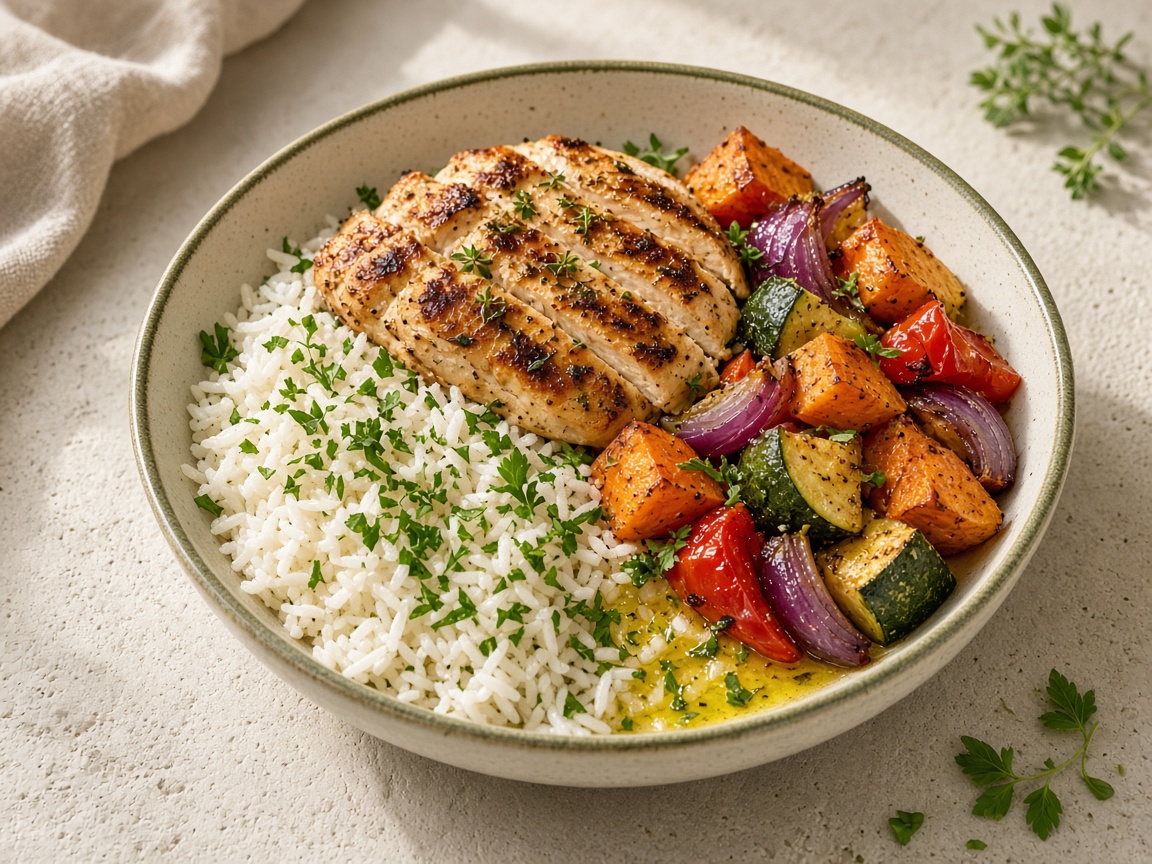
When appetite is small, energy is added with what the fact sheet already recognizes: vegetable oil, nuts, avocado, fish, and grain. A sugary drink spends the free-sugar share and does not become a shortcut to a gain.
A small volume, ordinary foods
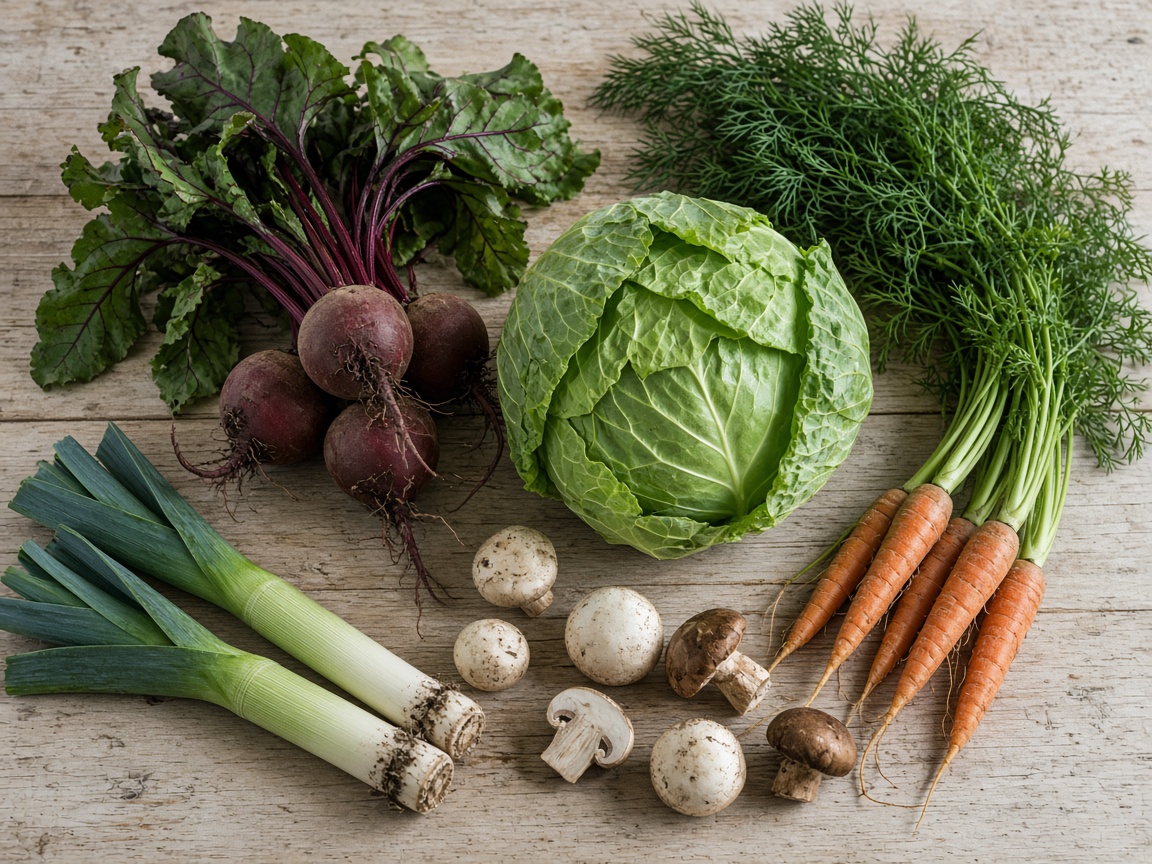
A small appetite does not cancel the shape of the plate. Half of it, on MyPlate, is vegetables and fruit, fruit and vegetables in the day stay at or above 400 g, and half of grains are whole. Energy is added beside that volume, not instead of it: a spoon of vegetable oil on porridge, nuts with yogurt, fish rather than an empty plate.
Those additions are dense in energy and match the preference for unsaturated fats. They do not demand a large volume the person already does not want to finish. A soda takes space in the stomach and in the sugar share, and does little for vegetables or for the fiber adults need, at least 25 g a day from food.
A sweet glass spends the share
Free sugars stay under 10% of energy, and below 5% the sheet notes further benefit. A glass of soda or sweet fruit drink takes that share before the day has had time to include oil and grain. Added sugars in the American guidelines also stay under 10% of calories from age 2, so a “liquid dessert instead of food” does not receive a special pass.
CDC’s example of a goal — water instead of a sugary drink — was written on a page about losing weight, but the sugar limit lives without that page. When appetite is small, water does not have to push out all the energy of the day. It pushes out the sugary drink, and the energy is left to oil, nuts, and an ordinary plate.
Two or three concrete additions
CDC asks for goals that are specific and few: two or three at a time. With a small appetite that can be oil in the usual porridge, a handful of nuts later in the day, and a vegetable with supper so that the 400 g do not disappear. A fourth goal, “make up the rest with sweets,” only blurs the first three.
A setback is expected: a day without appetite is not repaired by a nighttime round of soda. A food reward is especially confusing here, because food is already difficult. Culture and budget allow an inexpensive oil, oats, and beans, not only costly fish.
When a small appetite is not this article’s task
If food barely goes down, weight falls without a clear reason, there is vomiting, or the person is losing weight alongside illness and medicines, the conversation goes to a clinician. CDC sends questions about weight and medicines to a clinician directly. An article about oil and nuts does not treat a symptom and does not prescribe a kilocalorie add-on.
While appetite is simply modest and the person feels ordinary, it is enough not to replace the plate with a sugary drink. A log of several days shows whether energy disappeared with the volume or whether oil and grain have already brought it back. One hungry morning does not prove that a glass of soda is required.
What this text draws on
- WHO Healthy diet fact sheet: energy intake in balance with expenditure; fruit and vegetables ≥400 g/day; free sugars <10% of energy (below 5% for further benefit); fat <30%; saturated fat <10%; trans fat <1%; salt <5 g/day; unsaturated fats (fish, avocado, nuts, vegetable oils) preferred to saturated and industrial trans fats.
- WHO carbohydrate guideline, 2023: at least 25 g of fiber a day for adults, from food.
- Dietary Guidelines for Americans, 2020–2025, and USDA MyPlate: a nutrient-dense pattern shaped by culture and budget; added sugars <10% of calories from age 2; saturated fat <10%; sodium <2,300 mg/day; half the plate fruits and vegetables; half of grains whole; varied protein foods; low-fat or fat-free dairy or fortified soy. Drinking less is better than drinking more; not drinking is an option.
- CDC, Steps for Losing Weight (January 17, 2025): a gradual pace of about 1 to 2 pounds a week is more likely to be kept than quicker loss; losing 20 pounds in 2 weeks is the example of an unrealistic goal. Modest loss, CDC’s example: 5% of 200 pounds is 10 pounds, can improve blood pressure, cholesterol, and blood sugar and could lower risk of heart disease, prediabetes, and type 2 diabetes — not a personal guarantee. Log food and drinks, activity, sleep, and stress. Goals are specific, two or three at a time; examples include water instead of a sugary drink, a 15-minute walk, a vegetable with supper. Setbacks are expected. Rewards are not food. Medicines, illness, stress, genes, hormones, environment, and age affect weight. Weight and medicine questions go to a clinician. Medicines and bariatric surgery are clinical options, not DIY.
A short paraphrase of open guides and reviews (WHO, national recommendations, peer‑reviewed summaries). Not a quotation and not a treatment protocol.
Short answers
How can energy be added when a large portion will not go down?
With vegetable oil, nuts, avocado, fish, and grain beside an ordinary plate. A sugary drink spends the free-sugar share and is not that method.
Should vegetables be removed so that energy “fits”?
No. Fruit and vegetables stay at or above 400 g a day, and half the plate is them. Energy is added beside them, not by emptying the plate.