
A vacation
On vacation you log what you can still recall, and the limits on sugar, salt, and fat do not pause along with the alarm clock. The week of the trip sits inside WHO energy balance, and coming home does not require the rush CDC gives as an unrealistic goal.
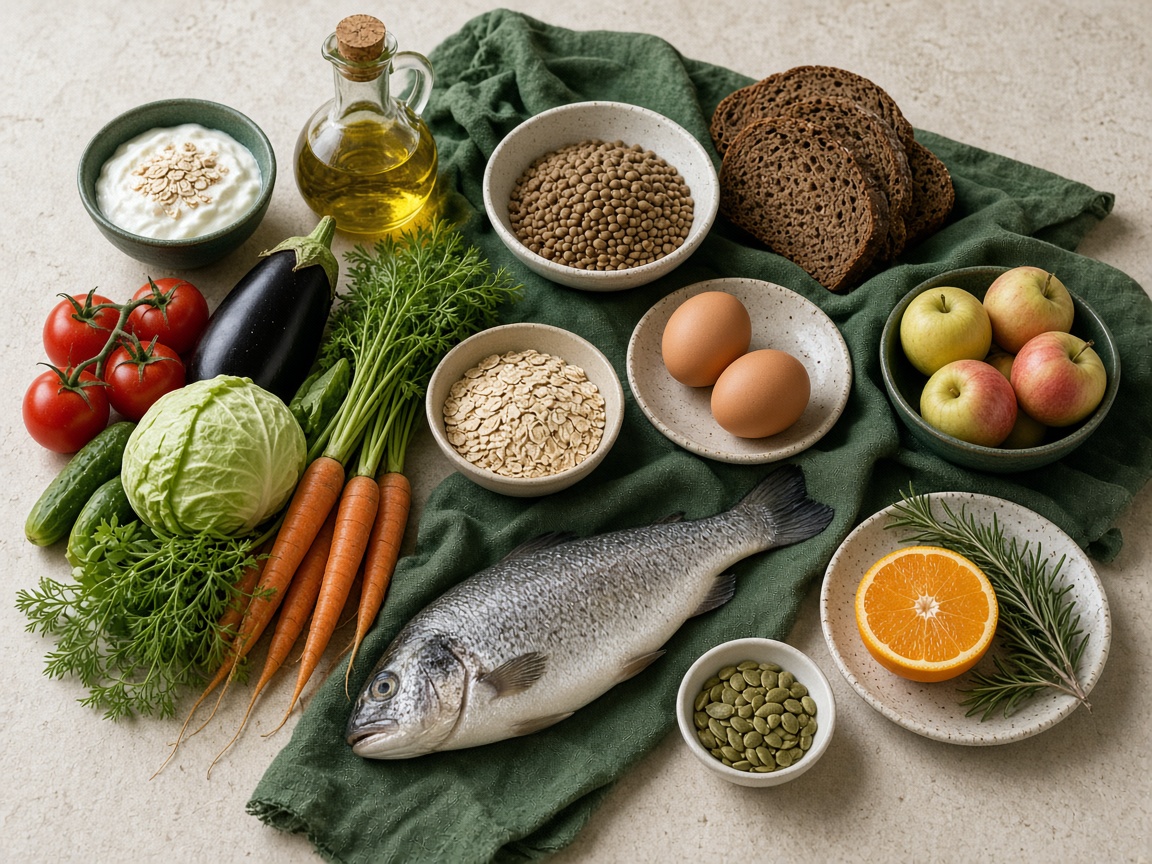
The travel log is shorter, and it still exists
CDC asks for a log of food and drinks, activity, sleep, and stress, and a vacation does not cancel that ask. If a full day cannot be rebuilt, what is remembered gets written: breakfast at the hotel, a sugary drink by the water, a late supper. An empty page for the whole week makes the return blind: it is unclear whether the food changed or only the impression.
Sleep and stress on a trip are lines in the log too, not background that can go unnoticed. A short sleep for several nights in a row does not prove the plate “broke,” and it does not erase the drinks that were there. An honest short log is more useful than a perfect one that never happened.
Sugar, salt, and fat travel with you
The WHO fact sheet has no “holiday mode.” Free sugars stay under 10% of energy, salt under 5 g a day, fat under 30%, saturated fat under 10%, trans fat under 1%. Juice, a cocktail, and a dessert on a trip spend the sugar share the same way they do at home.
The US guidelines keep added sugars under 10% of calories, saturated fat under 10%, and sodium under 2,300 mg a day. Grams of salt and milligrams of sodium are not added into one figure on an airport packet. Unsaturated fats — fish, nuts, vegetable oils — are still preferred to saturated fats, even if lunch is a café.
A plate from what is nearby
MyPlate on the road is built from what is available, not postponed until the home kitchen. Half the plate is fruits and vegetables, grains whole where that is possible, protein varied, and low-fat or fat-free dairy or fortified soy if the menu has them. A vegetable with supper is a ready-made CDC goal, and on vacation it is often more realistic than a search for an ideal dish.
Water instead of a sugary drink is a second such goal, especially where drinks are offered more often than food. Two or three goals are enough for a trip: for example water, a vegetable, and a 15-minute walk. A long list of bans on a suitcase is kept worse than a short list that can be done in a strange city.
Coming home without a rush
The vacation week sits inside the balance of intake and expenditure, and is not subtracted from life. If the run of mornings after the return sits a little higher, the trip log is read first, and hungry days are not assigned. CDC calls setbacks expected, and losing 20 pounds in 2 weeks the example of an unrealistic goal.
The CDC page treats a gradual pace of about 1 to 2 pounds a week as the one more likely to be kept, if a loss is needed at all. A vacation by itself does not oblige a weight loss on arrival. The reward for returning to the ordinary plate is not food, and it is not a punishment made of food.
What this text draws on
- CDC, Steps for Losing Weight (January 17, 2025): a gradual pace of about 1 to 2 pounds a week is more likely to be kept than quicker loss; losing 20 pounds in 2 weeks is the example of an unrealistic goal. Modest loss, CDC’s example: 5% of 200 pounds is 10 pounds, can improve blood pressure, cholesterol, and blood sugar and could lower risk of heart disease, prediabetes, and type 2 diabetes — not a personal guarantee. Log food and drinks, activity, sleep, and stress. Goals are specific, two or three at a time; examples include water instead of a sugary drink, a 15-minute walk, a vegetable with supper. Setbacks are expected. Rewards are not food. Medicines, illness, stress, genes, hormones, environment, and age affect weight. Weight and medicine questions go to a clinician. Medicines and bariatric surgery are clinical options, not DIY.
- WHO Healthy diet fact sheet: energy intake in balance with expenditure; fruit and vegetables ≥400 g/day; free sugars <10% of energy (below 5% for further benefit); fat <30%; saturated fat <10%; trans fat <1%; salt <5 g/day; unsaturated fats (fish, avocado, nuts, vegetable oils) preferred to saturated and industrial trans fats.
- Dietary Guidelines for Americans, 2020–2025, and USDA MyPlate: a nutrient-dense pattern shaped by culture and budget; added sugars <10% of calories from age 2; saturated fat <10%; sodium <2,300 mg/day; half the plate fruits and vegetables; half of grains whole; varied protein foods; low-fat or fat-free dairy or fortified soy. Drinking less is better than drinking more; not drinking is an option.
A short paraphrase of open guides and reviews (WHO, national recommendations, peer‑reviewed summaries). Not a quotation and not a treatment protocol.
Short answers
If there was no scale on the trip, is the week lost?
No. The food and drinks that can be remembered are written down and read together with the mornings after the return. An empty diary is worse than a rare scale.
Should food be tightened the moment the trip ends?
What was eaten and drunk is looked at first. CDC gives a fast rush as the example of an unrealistic goal and calls setbacks expected.