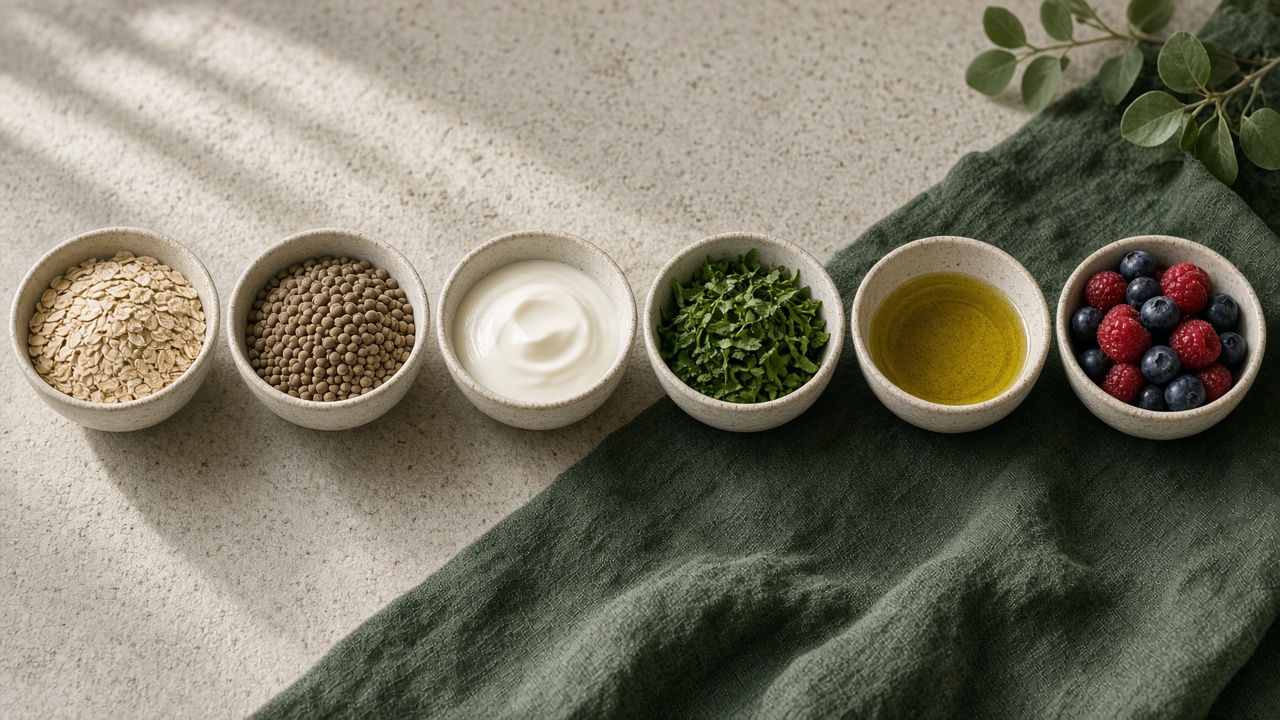
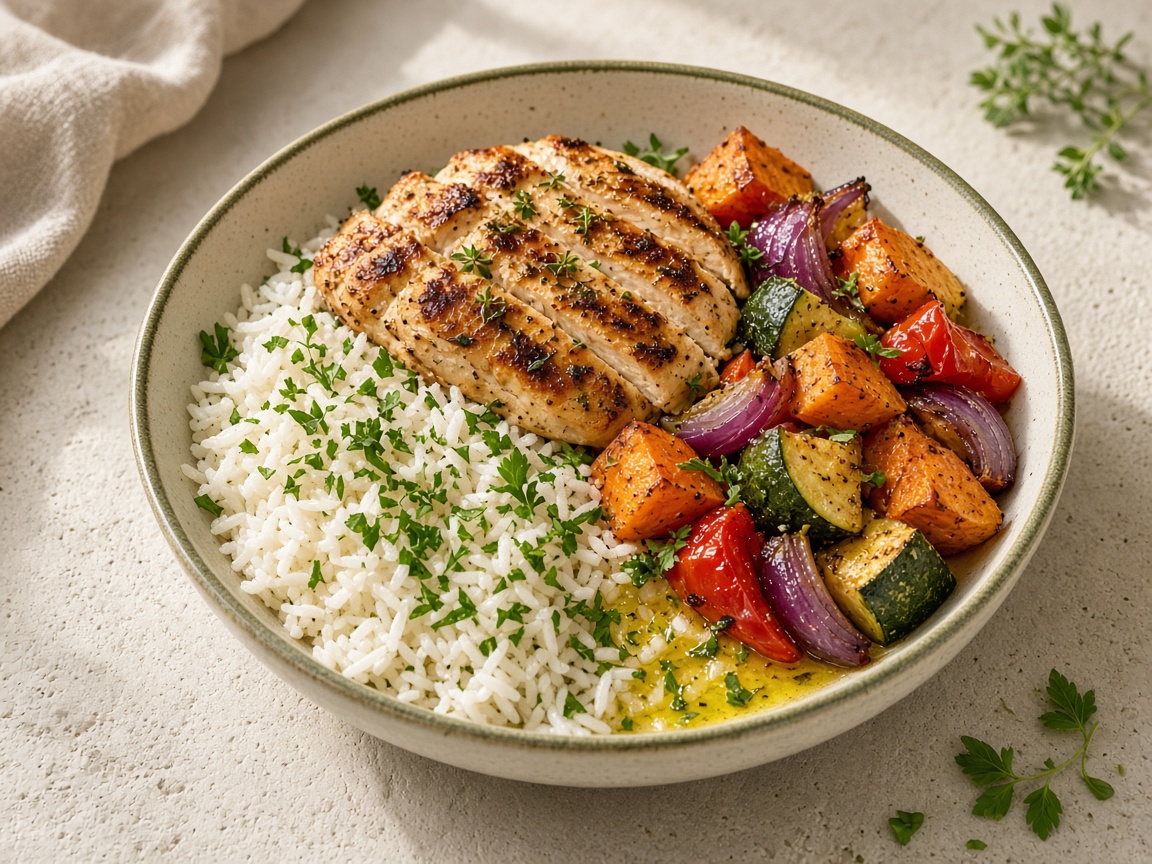
The label: a serving, the whole pack, and the per-100 g row
On a Nutrition Facts label, energy is stated for the serving that was labeled, and the label also shows how many of those servings are in the container. A labeled serving is not always 100 g. FoodData Central, by contrast, keeps a per-100 g guide, and brands differ. Mixing the two scales means reading the package twice, or not reading it at all.

The serving that was labeled
The first energy line refers to one labeled serving, not automatically to the whole box. If you ate one such serving, the log gets one serving. If you ate the package, look at how many servings per container the label states, and do not leave one serving in the diary for the whole package. The eye divides that poorly.
The maker of the product chooses the serving size. It does not have to match your bowl, and it does not have to equal 100 g. “I ate a serving,” said without looking at the label, counts nothing. What you can count is what is printed: energy per serving and the number of servings in the container. Everything else is a guess.
The whole pack
The pack is the labeled serving repeated as many times as there are servings in the container, if you ate all of it. Half a pack is not “about one serving” unless the label says there are two servings and you ate one. Weight, or the number of labeled servings, divides the box more honestly than a glance.
A drink in a bottle works the same way. Energy on the label may refer to part of the bottle. Finishing the bottle and logging one serving understates the record. CDC asks you to write down what you drank, because a drink is easy not to feel as food. The label shows whether the bottle was one serving or several.
A serving and 100 g are different rulers
FoodData Central gives calories and macronutrients as a guide per 100 g. The label gives energy per its own serving. One hundred grams and the labeled serving match only when the serving is one hundred grams. In every other case, moving a number from the label into a “per 100 g” column, or the other way, mixes the rulers.
Brands differ from each other and from the reference row. Even if the serving weight is close to 100 g, the composition of a specific package may not match a typical FoodData Central row. For the package in your hand, its label comes first. The database is for food without that label. Do not force both sources into one phrase, “a serving.”
What not to invent
A label does not become a “per 100 g” column just because that makes products easier to compare. A comparison is honest when both numbers are brought to the same weight, or when you compare similarly labeled servings and say plainly that servings can weigh different amounts. This page does not insert a hidden conversion to one hundred grams.
This page does not prescribe how many servings to eat. It refuses to let you read one serving as the whole pack, or the whole pack as 100 g. The daily target in the bot is a separate story: the resting equation, the activity steps, and the product floor. The label does not jump into that target by itself. The diary receives what you ate, on the scale that was printed.
What this text draws on
- FDA Nutrition Facts: energy is stated per labeled serving, and the label shows servings per container. Per serving is not always per 100 g.
- USDA FoodData Central: calorie and macro figures are per 100 g guides; brands differ. A cooked-grain row is not the dry-grain row, because water changes the weight. A cooked spoon must not be looked up as dry grain.
A short paraphrase of open guides and reviews (WHO, national recommendations, peer‑reviewed summaries). Not a quotation and not a treatment protocol.
Short answers
Is the energy on the label the whole pack?
No. Energy is stated per labeled serving. How many of those servings are in the container is printed separately. The whole pack is not one serving when there are several servings.
Does a labeled serving equal 100 g?
Not always. FoodData Central uses a per-100 g guide. A labeled serving is a different ruler unless the label itself says the serving weighs 100 g.