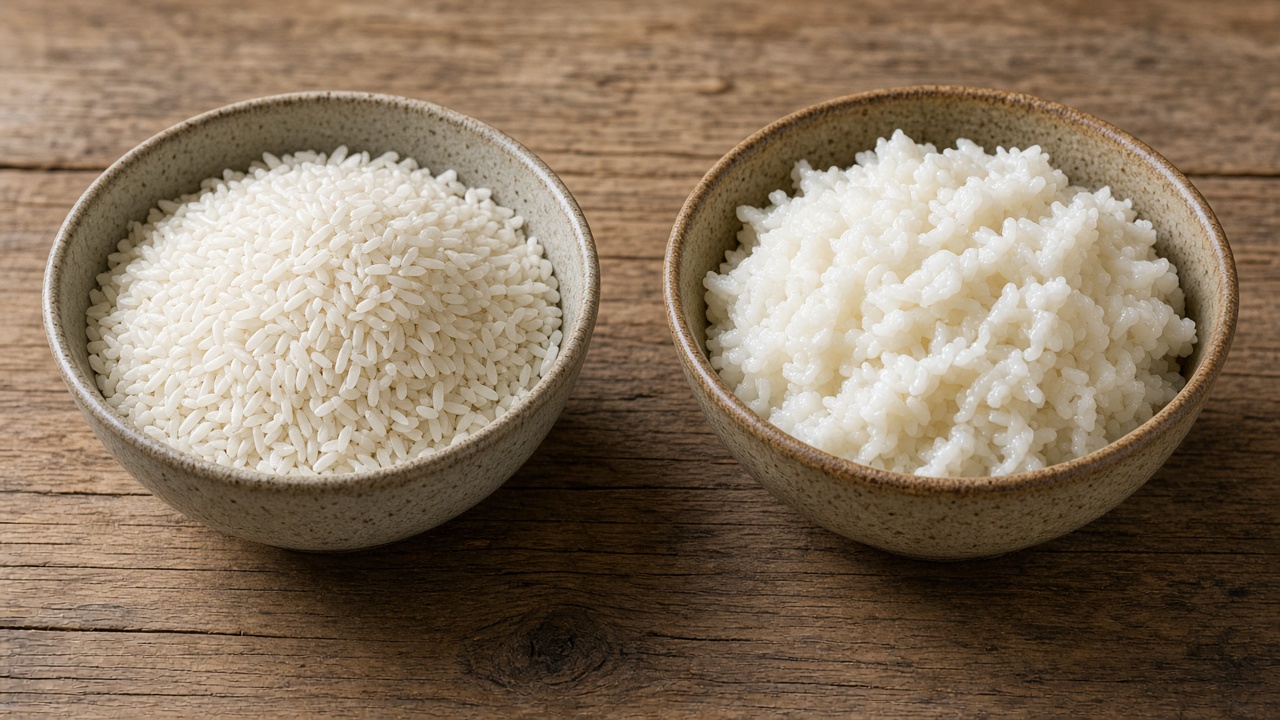
0.83 g of protein per kg is a safe level, not a muscle plan
In 2007 FAO/WHO/UNU named the safe protein level for adults: 0.83 g per kg of body weight per day. That is a population guide. It is not a muscle-building program and not an answer to a high body mass index.
How to read grams per kilogram
The subject is body weight and the day, not one meal and not a percent of the plate. MyPlate asks for varied protein foods. That is a picture of variety, not a translation of 0.83 into “a quarter of the plate.” The sources do not ask to stack the diagram and the grams per kg into one duty.
Kidney disease changes this level through a clinician. The article does not leave 0.83 in force on top of a kidney limit and does not raise the figure “for muscle.” A higher sports norm is not in these sources, and the page does not write it in.
Strength days do not multiply protein
Two or more strength days for all major muscle groups are a WHO line about activity. Beside it there is no coefficient of “on strength days multiply 0.83.” A window “before and after training” is not named in these texts either. There is a day of movement and a day of protein, and they are not glued together.
The CDC index can be high from muscle in a trained person. That is a warning that the index does not measure fat, not an instruction to eat more protein so that the index looks different. The index formula does not contain protein.
B12 sits nearby, but it is not protein
Peas and lentils count as protein food and as fiber. They do not contain B12. Closing 0.83 with plant protein can fit this figure as protein. Closing B12 with the same food cannot: the NIH says plants do not contain it, and when animal food is absent a fortified food or a supplement is needed. This article does not prescribe a B12 dose.
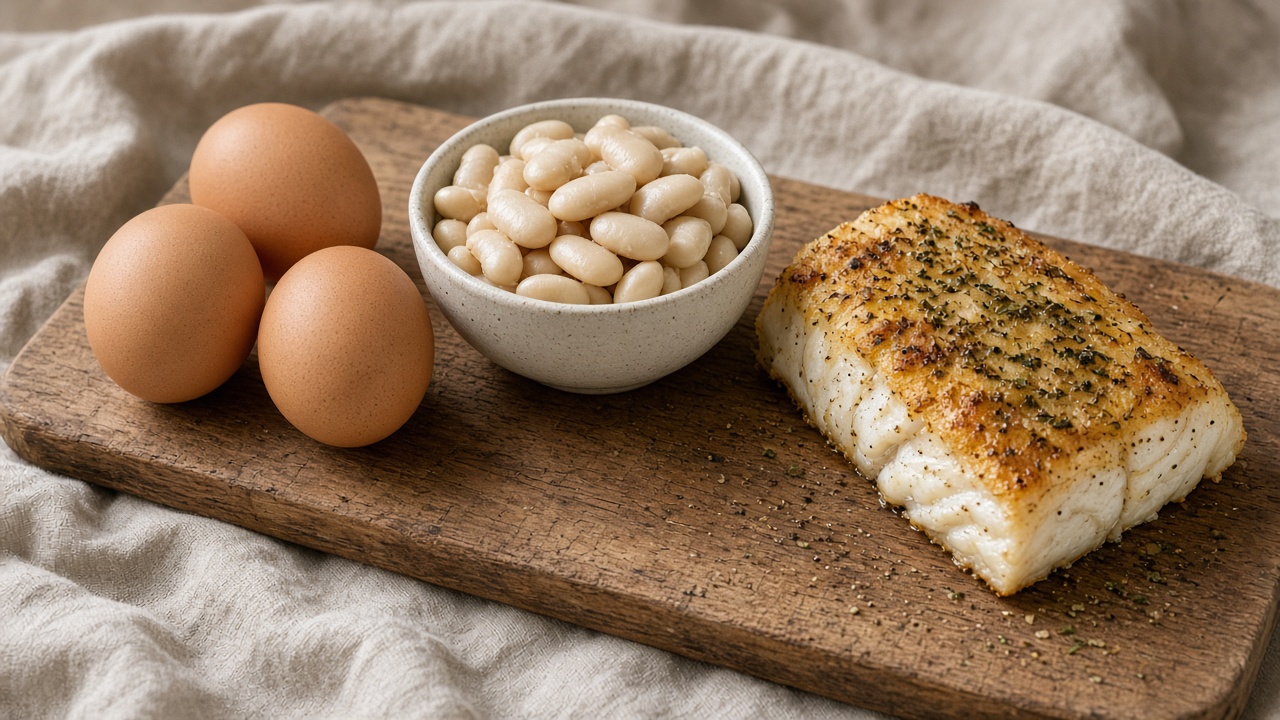
Fish, eggs, and dairy can be both protein and animal food. That is not an order to eat them every day and not a ban on another picture of the plate, if B12 is settled by a reliable source.
Grams are not taken off a photo
A ScanDish draft shows food after the person confirms it, not a calculation of 0.83. Body weight is not inside a photo of a plate. The floors of 1500 and 1200 kcal are profile settings, not the WHO protein figure.
A label gives protein per its serving. There may be several servings, and a serving is not always 100 g. A day is not assembled from one label.
What this text draws on
- FAO/WHO/UNU, 2007: the safe protein level for adults is 0.83 g per kg body weight per day. A population figure, not a muscle-gain plan. Kidney disease changes it through a clinician.
- NIH Office of Dietary Supplements, vitamin B12: people who eat little or no animal food need a reliable B12 source, a fortified food or a supplement. Plants do not contain B12. This article does not prescribe a dose.
- WHO Guidelines on physical activity and sedentary behaviour, 2020: adults 18–64 should do at least 150–300 minutes of moderate aerobic activity a week, or 75–150 minutes of vigorous activity, or an equivalent combination across the week, plus muscle-strengthening at moderate or greater intensity for all major muscle groups on two or more days. For additional benefit, moderate activity may go above 300 minutes, or vigorous activity above 150 minutes, or a combination.
A short paraphrase of open guides and reviews (WHO, national recommendations, peer‑reviewed summaries). Not a quotation and not a treatment protocol.
Short answers
Is 0.83 g per kg for building muscle?
No. That is the name of the safe level for adults in a population sense. A muscle plan and a higher sports figure are not in this source.
Does the figure change on a training day?
There is no training-day multiplier in these texts. Strength days are described separately, in minutes and days, not as an add-on of protein.